Gurugram Metro Gets ₹2,800 Crore Boost: A Defining Moment for Urban Connectivity
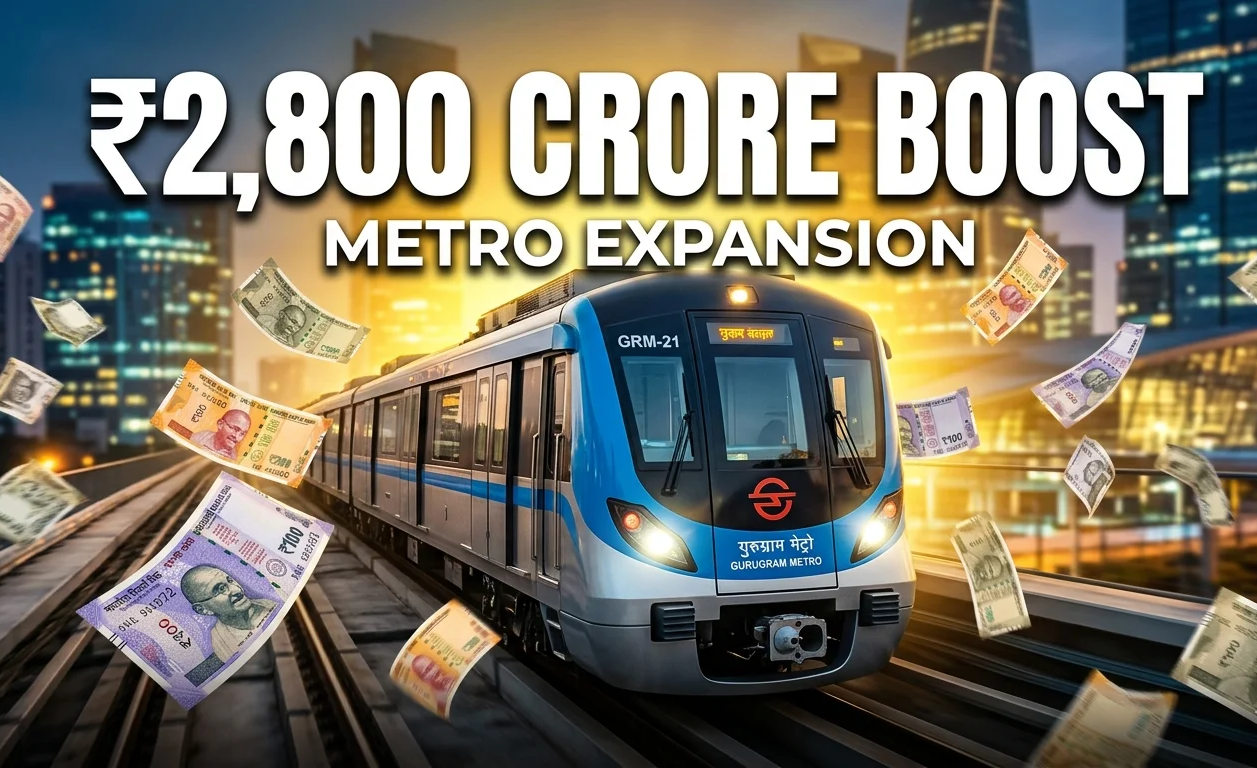
Gurugram is stepping into a new era of infrastructure growth. The proposed ₹2,800 crore loan from the World Bank is now in its final stage of approval. This funding will support the second phase of the metro expansion planned by Gurugram Metropolitan Rail Limited (GMRL).
At the same time, this development signals much more than just financial support. It reflects confidence in Gurugram’s long-term urban vision. It also highlights the city’s growing importance as a business and residential hub.
Strong Financial Backing Accelerates Growth
To begin with, large-scale infrastructure projects require solid funding. In this case, the World Bank loan will cover nearly 60% of the total cost of the second phase. That creates a strong financial foundation for timely execution.
Moreover, officials have already conducted multiple rounds of discussions. A senior team from the World Bank visited Gurugram and Panchkula to review technical, environmental, and social aspects. These meetings played a crucial role in moving the proposal forward.
As a result, authorities expect final approval by the end of July. Once that happens, the project will gain immediate momentum.
Metro Expansion Plan: Connecting the City
Now let’s understand how the metro expansion will reshape Gurugram. The Old Gurugram Metro project spans around 28.5 km and is divided into three phases.
The first phase connects Millennium City Centre to Sector 9. The second phase extends from Sector 9 to Cyber City. Meanwhile, the third phase focuses on building a metro depot in Sector 33.
The second phase remains the most critical. It will connect key locations such as Sector 7, Sector 5, Ashok Vihar, Palam Vihar, Sector 22, and Udyog Vihar Phase One.
Because of this alignment, the metro will link residential pockets with major commercial hubs. Consequently, commuters will experience shorter travel times and smoother daily movement.
Preparations Already in Motion
Interestingly, GMRL has already started groundwork. Officials have asked HSVP to demarcate the metro alignment between Sector 9 and Cyber City.
This proactive step clearly shows confidence in the project’s approval. It also ensures that construction can begin quickly without unnecessary delays.
In addition, authorities have submitted tender documents and loan proposals earlier this year. That reduces procedural bottlenecks and speeds up execution once approval arrives.
Focus on Sustainability and Smart Planning
However, World Bank funding comes with strict conditions. The agency requires high standards in environmental and social responsibility.
Therefore, GMRL has already completed key studies related to environmental impact and community considerations. At the same time, officials are aligning the project with Transit-Oriented Development (TOD) norms.
TOD promotes development around transit hubs. It encourages people to rely more on public transport instead of private vehicles.
Furthermore, last-mile connectivity plays a crucial role. Authorities are planning better feeder systems so that commuters can easily reach their final destination after using the metro.
Transforming Daily Life in Gurugram
Let’s face reality. Gurugram often struggles with traffic congestion and long travel times. Peak-hour traffic creates daily frustration for residents.
This metro expansion offers a practical solution.
- First, it will reduce dependency on private vehicles.
- Second, it will improve travel efficiency across major sectors.
- Third, it will contribute to better air quality by cutting emissions.
In addition, improved connectivity will make the city more livable and efficient.
Real Estate Set for a Major Boost
Now comes a key impact real estate growth. Infrastructure and property markets always move together.
As metro connectivity improves, areas along the corridor will see rising demand. Locations such as New Gurugram, Dwarka Expressway, and older sectors will benefit the most.
Buyers prefer homes near metro stations. Investors look for future appreciation. This project meets both expectations.
Moreover, rental demand will also increase. Professionals working in Cyber City and Udyog Vihar will prefer well-connected residential areas.
Therefore, this metro expansion will reshape Gurugram’s property landscape in the coming years.
Industry Perspective
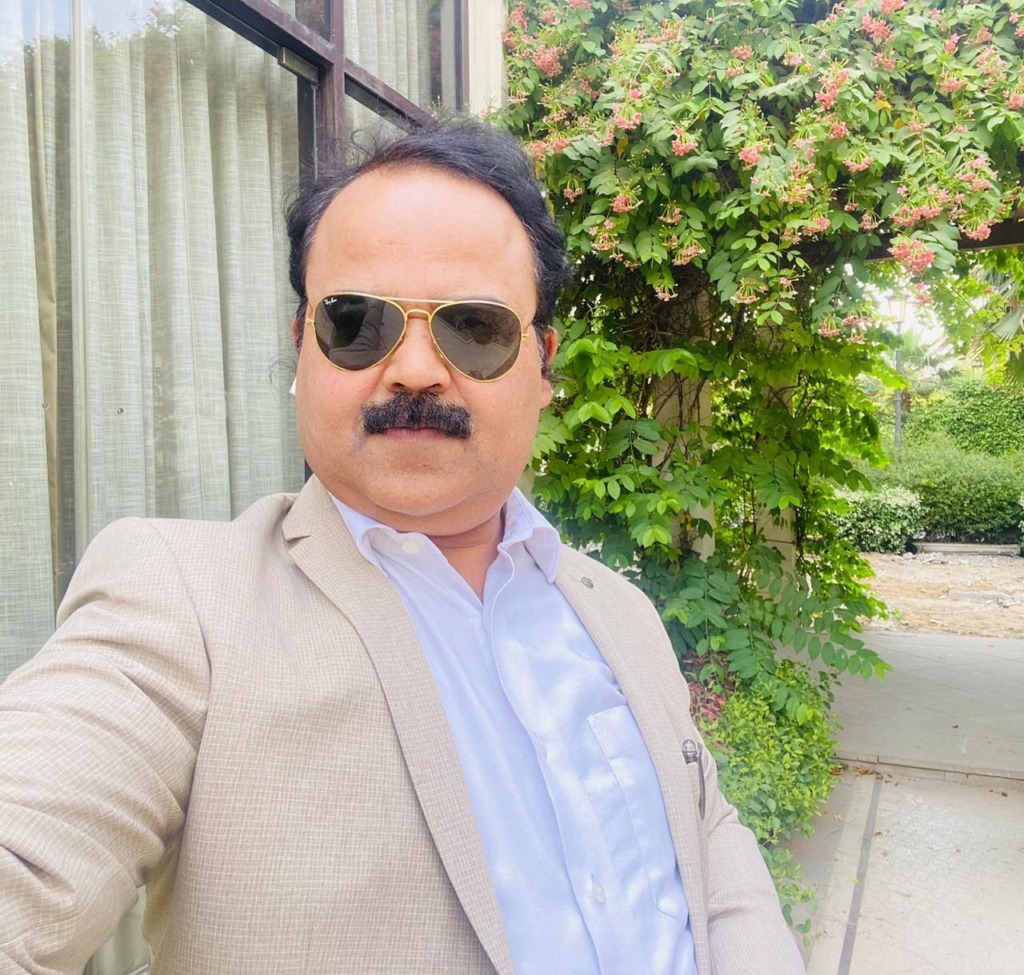
Sanjeev Singh, MD of SKJ Landbase, believes this project will play a transformative role.
The Gurugram Metro expansion backed by World Bank funding is a major step forward for the city. Strong infrastructure always drives real estate growth. Investors should focus on emerging corridors along this route, as these areas will see significant appreciation in the near future.
His insights clearly underline the long-term investment potential linked with this project.
What to Expect Next
Looking ahead, the Department of Economic Affairs will review the proposal in July. Approval at this stage will unlock funding and accelerate construction.
Once work begins, Gurugram will move closer to a more connected and efficient future. The metro will strengthen not only transport but also economic activity across the region.
Final Thoughts
To sum up, the ₹2,800 crore World Bank loan represents a turning point for Gurugram’s infrastructure journey.
It brings together funding, planning, and execution. improves connectivity. It boosts real estate growth. Most importantly, it enhances the overall quality of life.
Gurugram is not just expanding it is evolving into a smarter, more connected city.