Gurugram Set for a Massive Traffic Revolution! GMDA’s 3 New Flyovers to Create a Signal-Free Metro Corridor
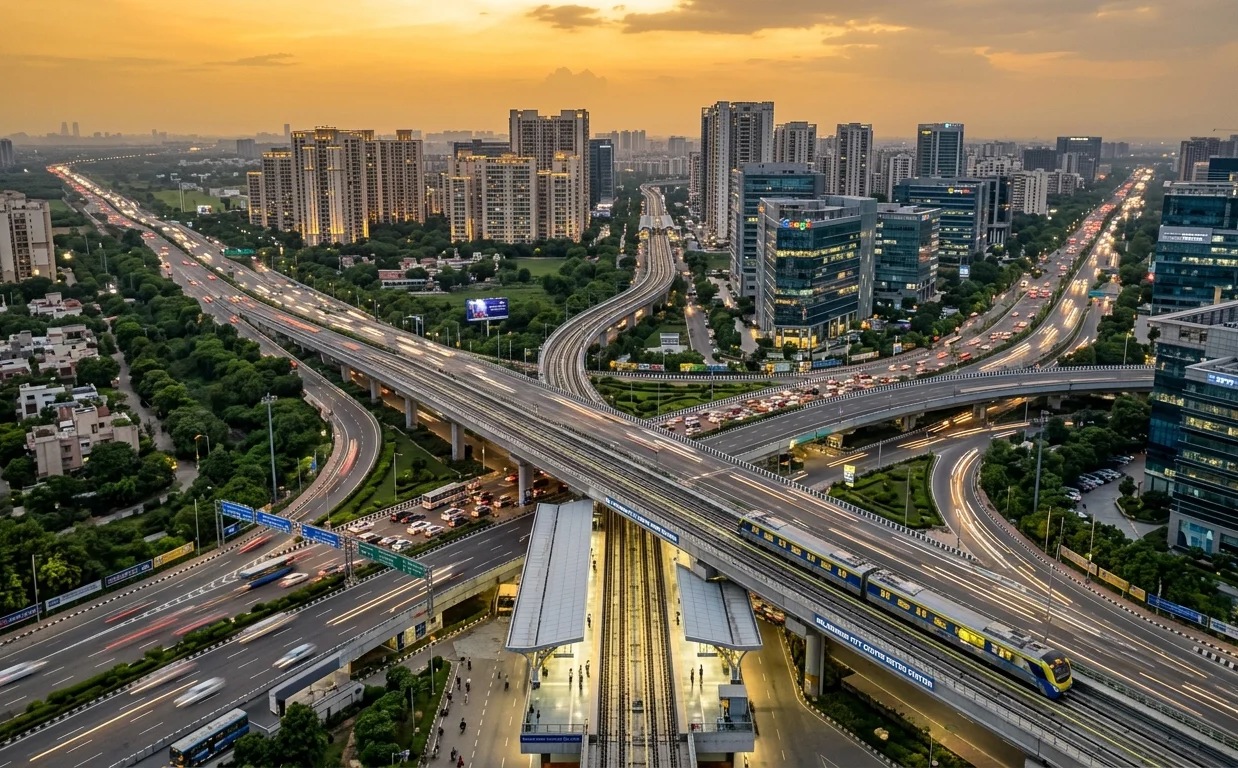
Gurugram is moving one step closer to solving one of its biggest urban challenges – traffic congestion. In a significant infrastructure development, the Gurugram Metropolitan Development Authority (GMDA) has proposed the construction of three new flyovers along the upcoming metro corridor between Millennium City Centre Metro Station and Bakhtawar Chowk.
The project aims to transform this busy route into a signal-free corridor, allowing vehicles to move smoothly without frequent stops. As Gurugram continues to expand as a leading business and residential destination, such infrastructure upgrades have become essential.
Moreover, the proposed flyovers will complement the upcoming metro network and strengthen connectivity across key sectors of the city. For commuters, businesses, and property investors, this development could bring long-term benefits.
Three Strategic Flyovers Planned Along the Metro Corridor
GMDA has identified three critical intersections where traffic congestion remains a major concern. To address this issue, the authority plans to construct flyovers at:
- Sector 44-45 Intersection
- 30-41 Intersection
- Sec- 45-46 Intersection
These locations experience heavy traffic throughout the day due to increasing residential density, commercial activity, and office movement.
Once completed, the flyovers will eliminate traffic signal interruptions along this stretch. Consequently, commuters will enjoy faster travel times and a smoother driving experience.
In addition, the project forms part of a broader vision to create a modern transportation network that supports Gurugram’s rapid growth.
A Signal-Free Corridor from Millennium City Centre to Dwarka Expressway
The bigger objective extends beyond these three structures.
GMDA wants to create a completely signal-free route from Millennium City Centre Metro Station to the Dwarka Expressway. This corridor stretches approximately 16 kilometres and passes through some of Gurugram’s most important traffic junctions.
The route includes:
- Bakhtawar Chowk
- Subhash Chowk
- Hero Honda Chowk
- Umang Bhardwaj Chowk
- Basai Chowk
At present, commuters often face delays at multiple intersections. However, the proposed flyovers will remove several bottlenecks and improve traffic flow significantly.
Furthermore, a signal-free corridor can reduce travel uncertainty and make daily commuting more predictable.
Metro Expansion and Road Development Will Move Together
One of the most notable aspects of this proposal is the coordination between GMDA and Gurugram Metro Rail Limited (GMRL).
Since the flyovers will run alongside the proposed metro corridor, both agencies have started working together to ensure seamless infrastructure planning.
Officials recently discussed the project during a meeting chaired by GMDA CEO P.C. Meena. During the discussions, planners emphasized the importance of aligning flyover construction with future metro station designs.
As a result, metro stations located near these intersections will take the proposed flyovers into account during the planning stage.
This integrated approach can prevent future disruptions while maximizing the efficiency of available land and infrastructure.
Existing Infrastructure Will Support the Vision
Interestingly, several sections along this route already feature major infrastructure projects.
For example, Subhash Chowk already has a flyover that helps manage traffic movement. Similarly, Hero Honda Chowk benefits from an operational underpass that reduces congestion at one of the city’s busiest intersections.
Meanwhile, the National Highways Authority of India (NHAI) plans to construct an elevated road between Hero Honda Chowk and Umang Bhardwaj Chowk.
Additionally, an elevated corridor already covers a significant portion of the route extending from Umang Bhardwaj Chowk toward the Dwarka Expressway.
Therefore, the three proposed flyovers will act as the missing links needed to complete the signal-free corridor.
How Commuters Will Benefit
For thousands of daily commuters, the project could make a noticeable difference.
Currently, vehicles spend considerable time waiting at traffic lights, especially during morning and evening rush hours. This not only increases travel time but also leads to fuel wastage and driver frustration.
Once the flyovers become operational, commuters can expect:
- Faster travel across key sectors
- Reduced waiting time at intersections
- Lower fuel consumption
- Improved road safety
- Better traffic distribution
- Enhanced driving comfort
Moreover, smoother traffic movement can contribute to lower vehicle emissions, supporting a cleaner urban environment.
Positive Impact on Gurugram Real Estate
Infrastructure development often plays a direct role in shaping real estate demand. Better roads and stronger connectivity make surrounding areas more attractive for homebuyers and investors.
The proposed corridor passes through several established and emerging residential sectors. Therefore, improved accessibility could increase the appeal of these locations.
Additionally, metro connectivity combined with signal-free road infrastructure creates a powerful advantage for both residential and commercial developments.
Businesses also benefit from improved transportation networks because employees, customers, and logistics operations can move more efficiently.
As a result, property values in well-connected areas often witness sustained growth over time.
Expert Perspective: Sanjeev Singh, MD, SKJ Landbase
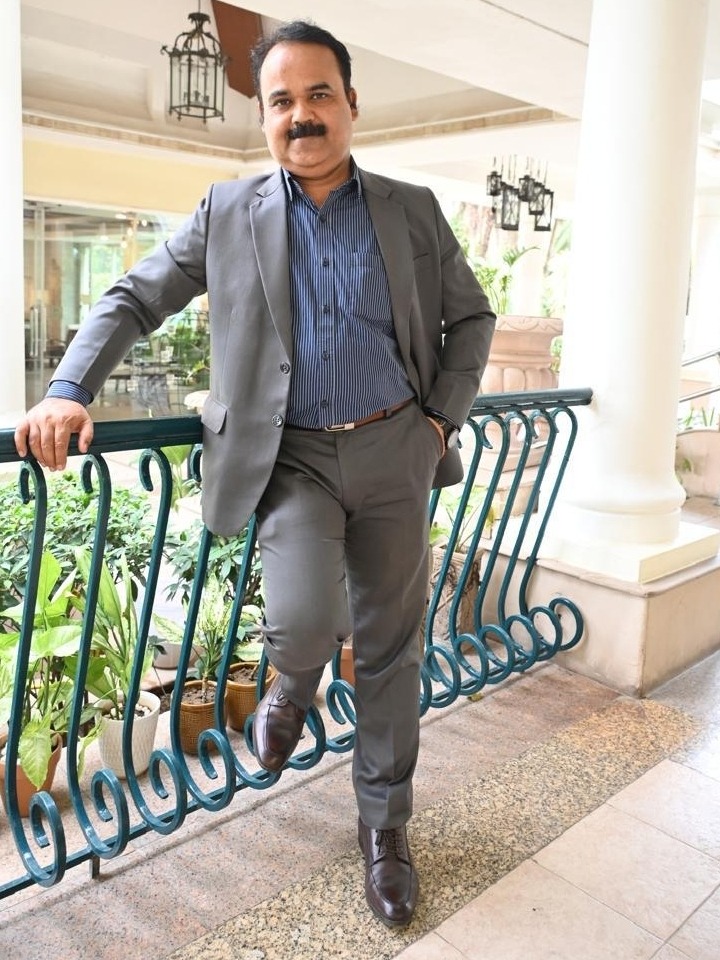
According to Sanjeev Singh, Managing Director of SKJ Landbase, infrastructure remains one of the strongest drivers of long-term urban growth.
He says, The proposed signal-free metro corridor represents a major step forward for Gurugram’s infrastructure ecosystem. Projects that improve connectivity create lasting value for residents, businesses, and investors. As mobility improves, surrounding micro-markets become more attractive, which ultimately supports sustainable real estate growth across the city.
What Happens Next?
The proposal will now move to the GMDA Board for consideration and approval. Haryana Chief Minister Nayab Singh Saini is expected to preside over the upcoming board meeting where the project may receive formal clearance.
Following approval, GMDA will begin preparing the Detailed Project Report (DPR). This report will define technical specifications, construction requirements, timelines, and project costs.
Afterward, authorities can move toward implementation and execution.
Although construction timelines have not yet been announced, the proposal itself signals strong momentum toward improving Gurugram’s transportation infrastructure.
Conclusion
Gurugram’s growth story continues to gain speed, and infrastructure remains at the center of that transformation. The proposed three flyovers between Millennium City Centre Metro Station and Bakhtawar Chowk represent a crucial step toward creating a seamless and signal-free transportation corridor.
By integrating road and metro infrastructure, GMDA aims to reduce congestion, improve commuter convenience, and support future urban expansion. Furthermore, the project has the potential to strengthen real estate demand and enhance the city’s overall livability.
As Gurugram prepares for its next phase of development, projects like these will play a vital role in building a faster, smarter, and better-connected city for the years ahead.