Gurugram Metro Project Enters a Major Development Phase
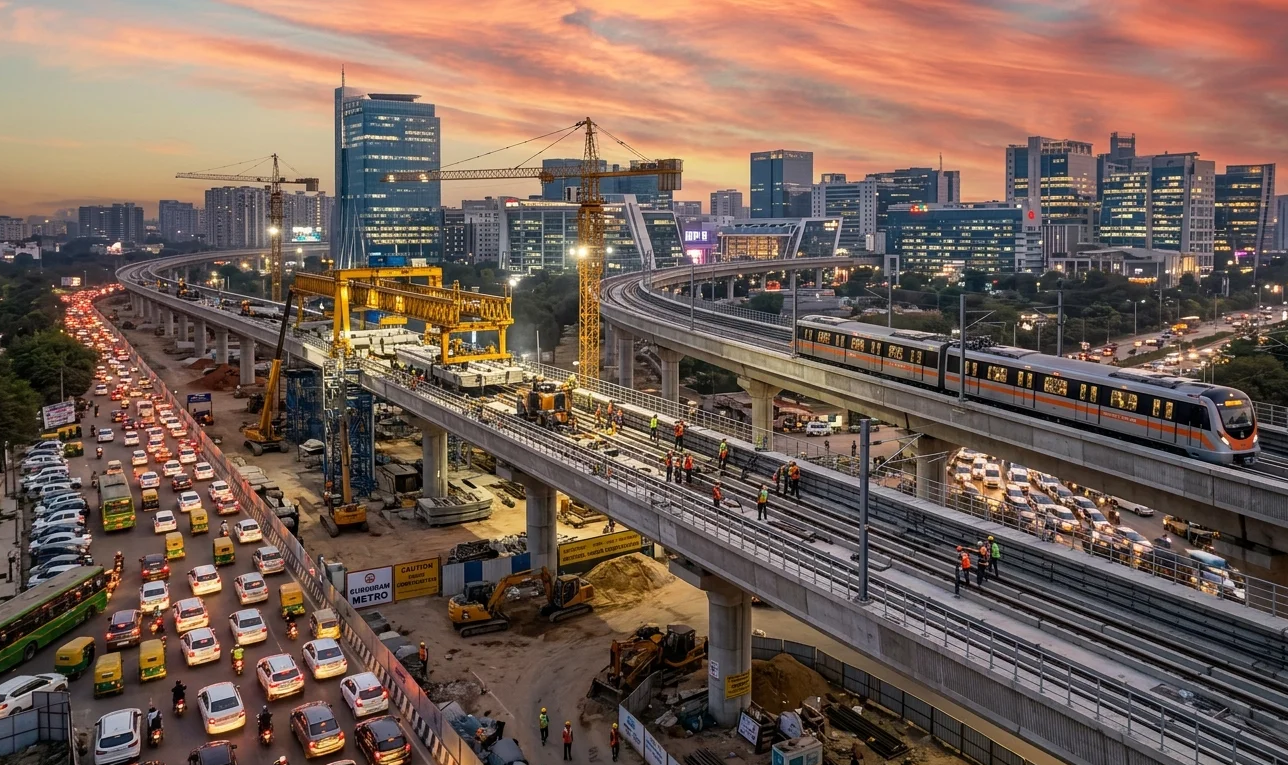
Gurugram’s ambitious metro expansion project has finally taken a significant step forward. Gurugram Metro Rail Limited (GMRL) recently issued its first official public notice to acquire more than 10,000 square metres of private land for the proposed Millennium City Centre-to-Cyber City metro corridor. Consequently, the announcement has generated strong interest among residents, property owners, investors, and real estate developers across NCR.
The metro corridor aims to improve urban mobility and reduce traffic congestion in one of India’s busiest corporate cities. Moreover, the project will strengthen connectivity between residential sectors, commercial districts, hospitals, and office hubs.
For years, Gurugram has struggled with rising traffic pressure due to rapid urbanization. Therefore, this metro expansion has become one of the city’s most important infrastructure developments.
Land Acquisition Begins Across Key Villages
According to the notice issued by the Land Purchase Committee, private land parcels in Kanhai, Islampur, and Basai villages have been identified for metro stations and track construction.
Among these areas, Islampur village under Badshahpur sub-tehsil accounts for the largest acquisition. Nearly 8,653.63 square metres of land has been marked there across multiple parcels. Meanwhile, Kanhai village will contribute around 534 square metres near the institutional plot close to Fortis Hospital in Sector 44.
Additionally, authorities identified around 1,695.74 square metres in Basai village in Sector 9. These parcels will support both station infrastructure and metro track alignment.
At the same time, GMRL has asked affected landowners to submit ownership-related objections within 30 days. Owners can raise concerns at the office of the Land Acquisition Officer located at HSVP office, Sector 14, Gurugram, or through official email communication.
This step officially initiates the procedural phase of land acquisition under Haryana’s newly introduced policy.
Haryana’s New Land Purchase Policy Changes the Process
One of the most important aspects of this development involves Haryana’s new direct land purchase policy notified earlier this year.
Traditionally, land acquisition projects often faced legal disputes, delays, and compensation-related conflicts. However, the new policy allows GMRL to directly negotiate with landowners through mutual consent.
Furthermore, the Land Purchase Committee, led by the deputy commissioner, will supervise negotiations and approvals. As a result, authorities expect faster project execution and fewer procedural hurdles.
This modern approach reflects the government’s intention to accelerate infrastructure growth while maintaining transparency in land dealings.
Additionally, the latest notice reveals parcel-level details for the first time. Therefore, affected residents now have greater clarity regarding the project’s physical impact.
Metro Corridor Will Transform Daily Commuting
The proposed Millennium City Centre-to-Cyber City metro corridor holds massive importance for Gurugram’s transportation network.
Currently, thousands of professionals travel daily between Golf Course Road, Cyber City, Udyog Vihar, Sohna Road, and nearby residential sectors. However, heavy congestion during peak hours creates long delays and stressful commuting conditions.
Therefore, the upcoming metro line aims to provide a reliable, fast, and sustainable transportation alternative.
Once operational, the corridor will improve accessibility to major employment zones, healthcare institutions, shopping centres, and residential neighborhoods. Consequently, daily travel time may reduce significantly for office-goers and students.
Moreover, improved public transportation can also help reduce fuel consumption and pollution levels in the city.
Urban planning experts believe Gurugram urgently needs stronger public transport infrastructure to support its growing population and business ecosystem.
Metro Connectivity Could Boost Real Estate Demand
Infrastructure expansion usually creates a direct impact on property markets, and Gurugram is no exception.
In fact, metro connectivity remains one of the strongest factors influencing residential and commercial property demand today. Therefore, sectors located near the proposed corridor may witness increased buyer interest in the coming years.
Additionally, properties near metro stations often enjoy higher rental demand and better long-term appreciation potential.
Commercial developments around transit hubs also benefit from stronger footfall and improved accessibility. Consequently, retail businesses, office spaces, and mixed-use projects near the corridor may attract fresh investment activity.
Developers across NCR continue to closely monitor metro expansion projects because infrastructure growth directly influences market sentiment.
Experts Believe the Project Will Reshape Gurugram’s Growth Story
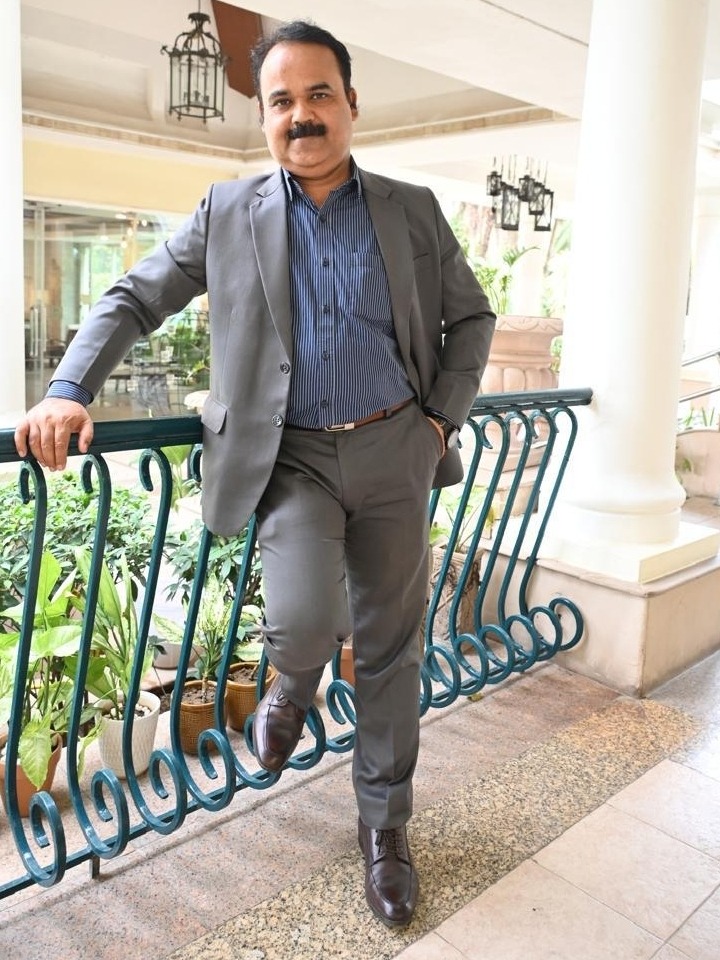
Sanjeev Singh, MD of SKJ Landbase, shared his views on the metro expansion and said:
“The upcoming metro corridor will become a major catalyst for Gurugram’s future growth. Strong connectivity improves urban convenience, boosts investor confidence, and enhances the overall value of surrounding areas. Infrastructure-led development will continue to shape the city’s real estate market in the years ahead.”
His statement highlights the strong connection between transportation infrastructure and real estate expansion in rapidly developing urban centres like Gurugram.
World Bank Approval Remains the Next Big Milestone
Meanwhile, GMRL officials also confirmed that more than 15,000 square metres of HSVP-owned land has already been identified for the second phase of the metro project.
However, construction work for the next phase will begin only after the World Bank approves the tender and sanctions financial support for the metro corporation.
This funding approval will play a critical role because metro rail projects require large-scale investments and long-term financial planning.
Nevertheless, the latest acquisition notice clearly shows that groundwork preparation has already started at an operational level.
Gurugram Moves Closer to a Smarter Future
Over the past decade, Gurugram has evolved into one of India’s largest business and residential destinations. Yet, infrastructure pressure continues to increase alongside population growth.
Therefore, projects like the Millennium City Centre-to-Cyber City metro corridor have become essential for sustainable urban development.
The latest action by GMRL sends a strong message that the city’s next phase of transportation modernization has officially begun.
As land acquisition progresses and approvals move forward, Gurugram residents may soon witness one of the city’s most transformative infrastructure upgrades in recent years.
Conclusion
GMRL’s first land acquisition notice marks a crucial milestone for Gurugram’s metro expansion journey. The acquisition of over 10,000 square metres of private land across Kanhai, Islampur, and Basai villages highlights the seriousness and scale of the project.
Moreover, Haryana’s direct land purchase policy may help accelerate execution while ensuring smoother coordination with landowners.
Most importantly, the proposed metro corridor promises better connectivity, reduced traffic congestion, stronger public transportation, and fresh real estate opportunities for Gurugram’s rapidly growing urban landscape.