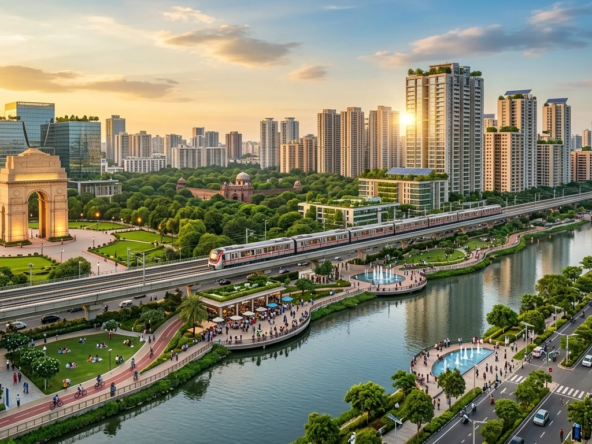
GMRL’s Double-Decker Metro-Road Plan Set to Transform Gurugram: A New Era of Connectivity, Traffic Relief & Real Estate Growth
Gurugram is once again making headlines with another ambitious infrastructure initiative. This time, Gurugram Metro Rail Limited (GMRL) has proposed integrated double-decker metro-road structures at Krishna Chowk near Palam Vihar and Old Delhi Road near Sector 21 under the second phase of the Gurugram Metro project.
The proposal forms a significant part of the upcoming Sector 9 Cyber Hub metro corridor, one of the city’s most anticipated transport projects. Moreover, GMRL has already included nearly ₹200 crore worth of civil works for these integrated structures in the revised ₹1,409 crore tender, which now awaits approval from the World Bank.
As Gurugram continues to expand, infrastructure projects like these will shape the city’s future. Better roads, faster metro connectivity, and smarter urban planning will not only improve daily commuting but also create long-term value for residents, businesses, and real estate investors.
What Is a Double-Decker Metro-Road Structure?
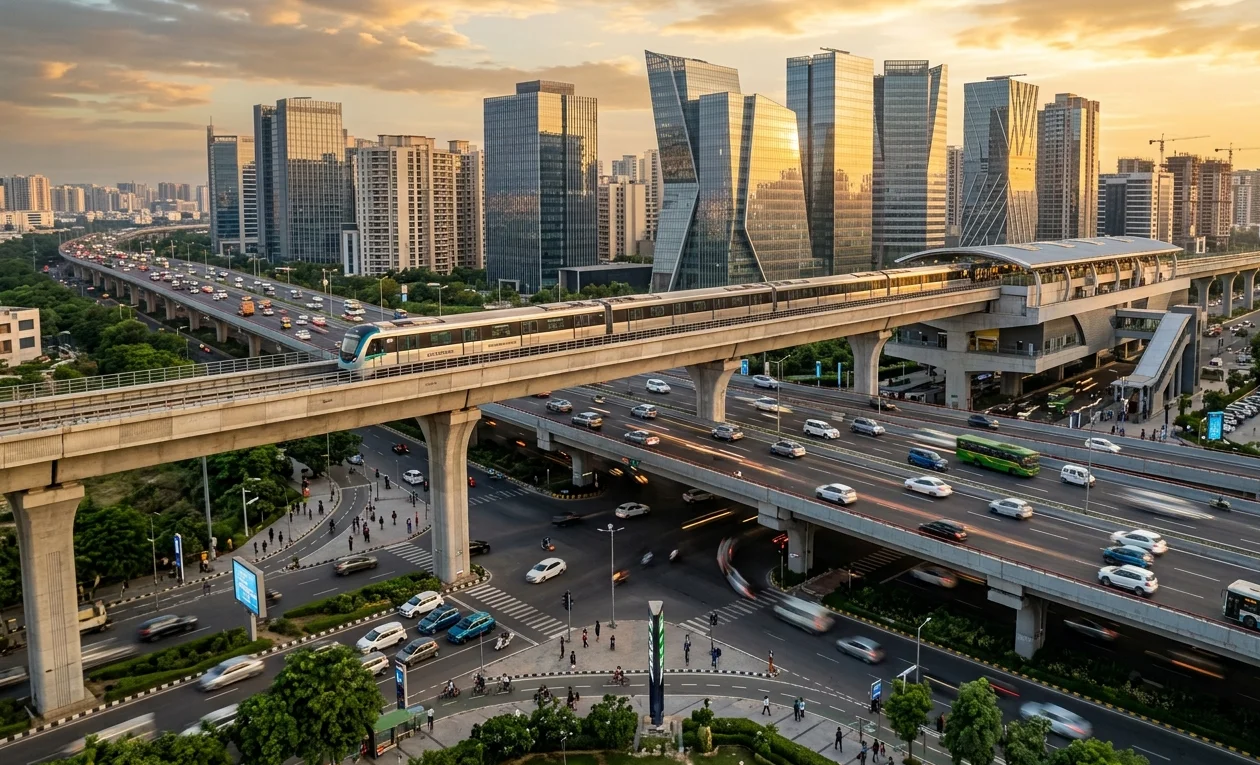
Unlike conventional metro projects, the proposed design combines two transportation systems into one engineering structure.
The lower level will carry an elevated road, while the upper level will support the metro viaduct. Both levels will stand on common piers, allowing efficient use of limited urban space.
This innovative design offers several advantages.
Firstly, it reduces the need for additional land acquisition. Secondly, it minimizes construction disruption in busy areas. Most importantly, it allows both road traffic and metro services to operate independently without interfering with each other.
Consequently, commuters can expect smoother journeys, fewer traffic bottlenecks, and significantly improved travel efficiency.
Why Krishna Chowk and Old Delhi Road Were Chosen
Krishna Chowk and Old Delhi Road rank among the busiest traffic junctions in Gurugram. Every day, thousands of vehicles pass through these stretches while connecting Palam Vihar, Sector 21, Cyber City, Delhi, and IGI Airport.
Over the years, traffic congestion has become a persistent challenge at both locations.
Therefore, instead of relying only on road widening, planners have chosen an integrated infrastructure model.
The elevated road will allow uninterrupted vehicle movement, while the metro corridor above it will transport thousands of passengers every hour. As a result, both public transport and private traffic will benefit simultaneously.
Furthermore, the project will help reduce travel delays during peak office hours.
Sector 9 Cyber Hub Metro Corridor Gains Momentum
The proposed Sector 9 Cyber Hub metro corridor has already attracted considerable attention because of its strategic importance.
This corridor will connect residential neighborhoods with Gurugram’s biggest employment hubs, including Cyber Hub and nearby commercial districts.
Professionals working in corporate offices will enjoy quicker access to workplaces. Likewise, residents living across western Gurugram will benefit from better public transportation.
Additionally, improved metro connectivity often encourages people to shift from private vehicles to public transport. Consequently, overall traffic congestion decreases while environmental sustainability improves.
Once completed, this corridor will become one of Gurugram’s most important urban mobility projects.
GMRL Seeks Early Funding to Speed Up Construction
To ensure timely execution, GMRL has requested an advance payment of ₹100 crore from the Gurugram Metropolitan Development Authority (GMDA).
The advance will support project planning, detailed engineering, tender execution, and initial construction activities.
According to project officials, the final amount payable by GMDA will depend on the actual expenditure during construction.
Meanwhile, the revised tender remains under review by the World Bank. After receiving approval, construction activities can begin according to the planned schedule.
This financial planning reflects the government’s intention to execute the project without unnecessary delays.
Old Delhi Road Flyover Will Become Part of an Integrated Network
Another major highlight of the proposal involves the Old Delhi Road flyover.
GMRL will construct only the portion that integrates directly with the metro viaduct and supporting structure. Simultaneously, GMDA will build the remaining section of the flyover.
This coordinated execution strategy will ensure that the complete flyover opens as one unified project instead of separate phases.
Such synchronized planning reduces future construction disruptions and allows commuters to experience the full benefits immediately after completion.
Moreover, integrated execution improves project efficiency while optimizing public investment.
Infrastructure Growth Continues Beyond This Corridor
Interestingly, GMRL has also proposed another double-decker metro-road structure between Ghata and Vatika Chowk along the Sector 56 Pachgaon metro route.
The proposal has already been submitted to the Haryana Mass Rapid Transport Corporation Limited (HMRTC).
If approved, this additional project will further strengthen Gurugram’s transportation network.
Instead of isolated developments, the city now appears to be moving towards a comprehensive infrastructure strategy where metro expansion and road development progress together.
This approach reflects global urban planning practices adopted by several modern metropolitan cities.
What Does This Mean for Gurugram’s Real Estate Market?
Infrastructure and real estate have always shared a strong relationship.
Whenever metro connectivity improves, nearby residential and commercial markets generally witness increased demand.
The proposed double-decker structures are expected to enhance accessibility across several important locations, including Palam Vihar, Sector 21, Old Delhi Road, and nearby developing sectors.
Consequently, homebuyers may enjoy shorter travel times, while businesses can benefit from improved customer accessibility.
Developers also gain confidence when major government infrastructure projects receive funding and execution approval.
Furthermore, enhanced connectivity usually supports long-term capital appreciation, making surrounding areas more attractive for investment.
As Gurugram continues expanding towards new growth corridors, infrastructure-led development will remain one of the strongest drivers of property demand.
Expert View
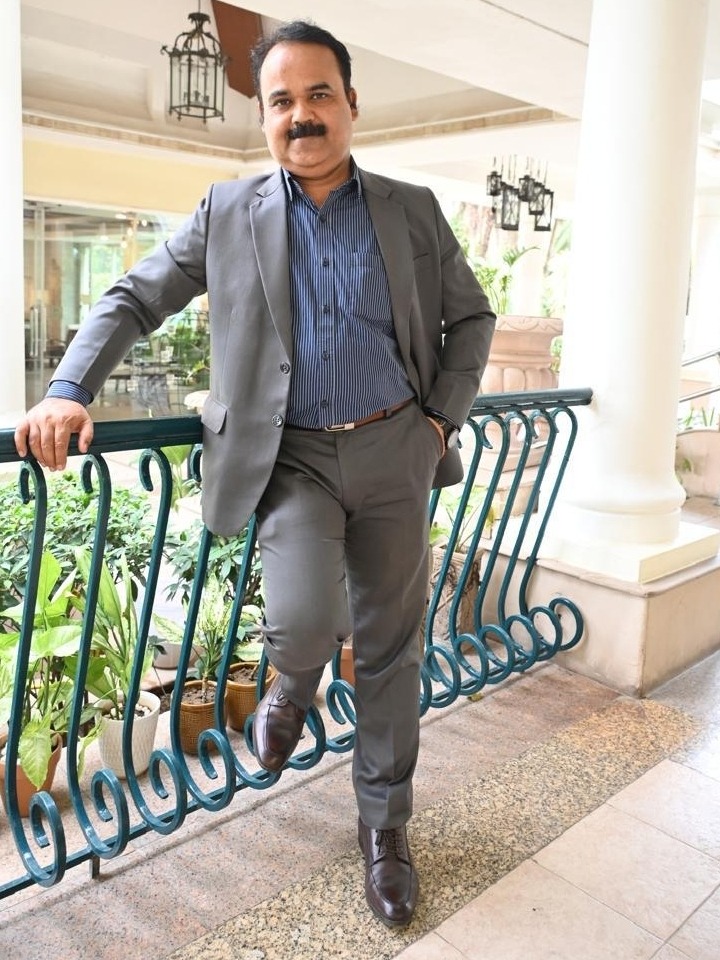
Sanjeev Singh, MD, SKJ Landbase, believes that integrated infrastructure projects like these redefine the future of urban living.
Modern homebuyers and investors no longer evaluate projects based only on location. They also look at future infrastructure that can improve accessibility and quality of life. The proposed double-decker metro-road corridors demonstrate Gurugram’s commitment to world-class urban planning. Such developments not only reduce travel time but also strengthen investor confidence and support long-term appreciation in surrounding micro-markets.
A Landmark Step Towards a Future-Ready Gurugram
Gurugram has consistently evolved through infrastructure-driven growth, and the proposed double-decker metro-road project represents another significant milestone in that journey.
By combining elevated roads with metro infrastructure, the city will maximize land utilization, improve traffic flow, reduce congestion, and strengthen public transport connectivity.
Although the project currently awaits World Bank approval, its long-term impact already appears promising. Better connectivity will support businesses, simplify daily commuting, and unlock fresh opportunities for real estate development across multiple sectors.
As Gurugram prepares for its next phase of expansion, projects like these will not merely reshape transportation they will redefine how the city grows, connects, and thrives in the years ahead.