Global Tensions Start Affecting Local Projects
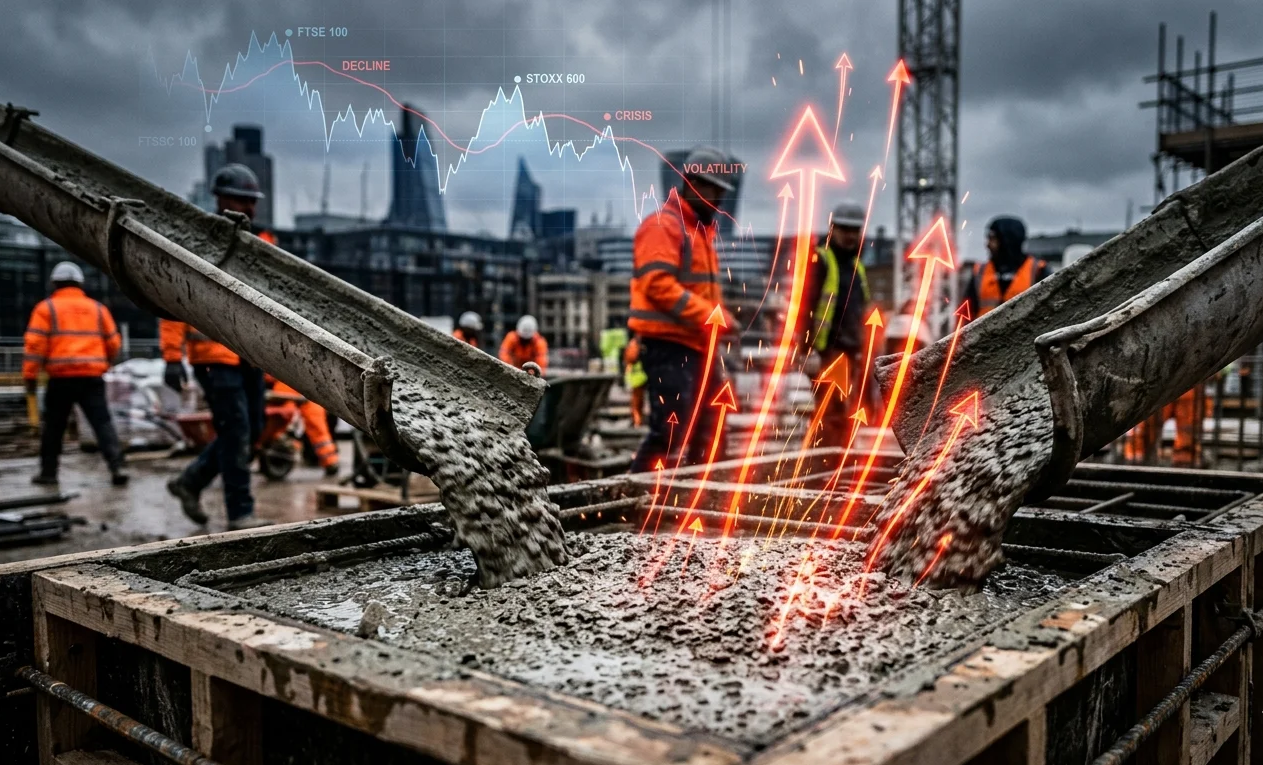
The Middle East crisis has begun influencing India’s real estate sector in a subtle yet important way. While the situation continues to evolve, developers have already started feeling the pressure. According to Abhishek Lodha, CEO of Lodha Developers, construction costs have increased by around 3–5%.
At first glance, this number may not look alarming. However, when applied to large-scale residential and commercial projects, even a small percentage shift can significantly impact budgets. Therefore, developers across India have started reviewing cost structures, procurement strategies, and pricing models.
More importantly, this situation highlights a growing reality. Indian real estate now operates in a globally connected environment. Any disruption in energy markets or supply chains quickly reflects in project costs.
Gas-Dependent Materials See Sharp Price Rise
The biggest impact has come from materials that rely heavily on natural gas during manufacturing. These include tiles, paints, PVC pipes, aluminium formwork, and waterproofing products.
Here’s what’s happening behind the scenes. When energy prices rise due to geopolitical tensions, manufacturing costs increase immediately. As a result, suppliers pass on the burden to developers. Consequently, project budgets expand.
In contrast, materials like steel, gypsum, and façade systems have shown only moderate cost increases. This difference gives developers some flexibility. They can adjust sourcing strategies and timelines to balance overall expenses.
Still, the combined effect pushes total construction costs upward. Therefore, even controlled inflation in select materials creates a noticeable financial impact.
NRI Demand Slows Down Temporarily
Interestingly, the crisis has not only affected construction costs. It has also influenced buyer sentiment, especially among Non-Resident Indians (NRIs) based in the Middle East.
During March, developers observed a shortfall in NRI-driven sales. Buyers paused decisions. Many preferred to wait for clarity before committing to high-value investments. At the same time, the luxury housing segment experienced slower deal closures.
This reaction does not indicate a long-term slowdown. Instead, it reflects a natural response to uncertainty. Whenever sudden global events occur, investors tend to step back temporarily.
However, as the situation stabilizes, confidence usually returns. Therefore, most developers expect demand to recover in the coming months.
Margins Remain Largely Protected
Despite rising costs, developers have managed to maintain stable margins so far. According to insights shared by Abhishek Lodha, the overall impact on profitability remains minimal.
Let’s understand this clearly. If the 3–5% cost increase continues throughout a typical three-year construction cycle, it may reduce margins by around 1.7%. On the other hand, if the disruption lasts only six months, the impact could drop to nearly 0.35% of project value.
This gap shows why duration matters more than intensity. A short-term spike stays manageable. A prolonged crisis, however, could reshape project economics.
For now, developers appear confident. They continue to move forward with planned launches and investments.
Delhi-NCR and Gurgaon Remain Growth Hotspots
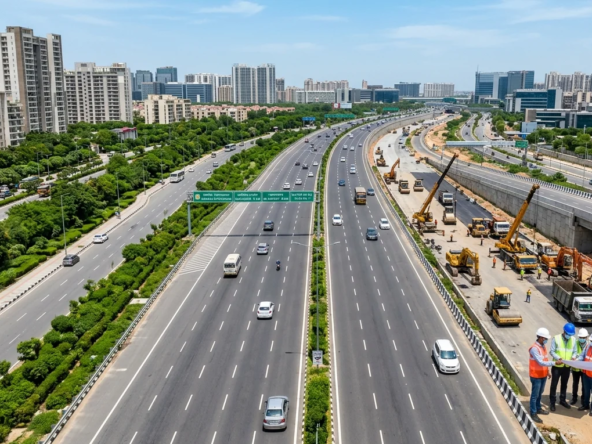
Even with global uncertainty, the Delhi-NCR region continues to attract strong developer interest. Gurgaon, in particular, stands out due to its infrastructure growth, corporate ecosystem, and premium housing demand.
Lodha Developers has already announced plans to enter this market. The company expects to launch projects in the region by late FY27 or early FY28.
Additionally, its partnership with a Gurgaon-based developer involves projects worth over ₹3,600 crore. This move signals long-term confidence in NCR’s potential.
Clearly, developers do not view the current crisis as a deal-breaker. Instead, they treat it as a temporary hurdle in an otherwise strong growth story.
Expert Insight: Sanjeev Singh on Market Resilience

Sanjeev Singh, MD of SKJ Landbase, shared a grounded perspective on the situation:
“Short-term global disruptions always create uncertainty. However, today’s real estate market operates with better planning and financial discipline. Developers have become more resilient. In markets like Gurgaon, demand continues to stay strong. In fact, such phases test the strength of developers and reward those who focus on long-term value creation.”
His statement reflects a broader industry sentiment. The market has matured. It no longer reacts impulsively to global shocks.
Smart Strategies Developers Must Adopt
In this evolving scenario, developers need to stay proactive. Several practical steps can help manage the situation effectively.
First, early procurement can protect against future price hikes. Second, diversifying supplier networks reduces dependency on volatile regions. Third, value engineering can optimize costs without affecting quality. Finally, maintaining transparency with buyers builds trust and keeps sales momentum intact.
These strategies not only address current challenges but also prepare developers for future uncertainties.
Temporary Setback or Structural Shift ?
At this stage, the Middle East crisis appears to be a temporary disruption rather than a long-term shift. Most industry leaders, including Abhishek Lodha, expect conditions to stabilize unless energy prices remain volatile for an extended period.
However, one thing has become clear. Real estate now depends heavily on global dynamics. Developers must stay agile. They must respond quickly to changes in cost structures and buyer sentiment.
Adaptability will define success in this new environment
Final Takeaway
The 3–5% rise in construction costs signals a cautionary phase, not a crisis. Demand remains intact. Margins remain stable. Expansion plans continue.
While global tensions have created short-term disruptions, India’s real estate sector continues to show strength and resilience. As stability returns, the market will likely regain momentum.
In the end, this phase will not slow the industry down. Instead, it will make it smarter, stronger, and better prepared for the future.