US-Iran War Sends Shockwaves Through Indian Real Estate: Construction Costs Jump 25%, Project Timelines Under Pressure
The ongoing US-Iran conflict has begun impacting industries far beyond the Middle East. In India, the real estate sector now faces one of its biggest challenges in recent years. Rising crude oil prices, supply chain disruptions, labor shortages, and increasing material costs have created significant pressure on developers across the country.
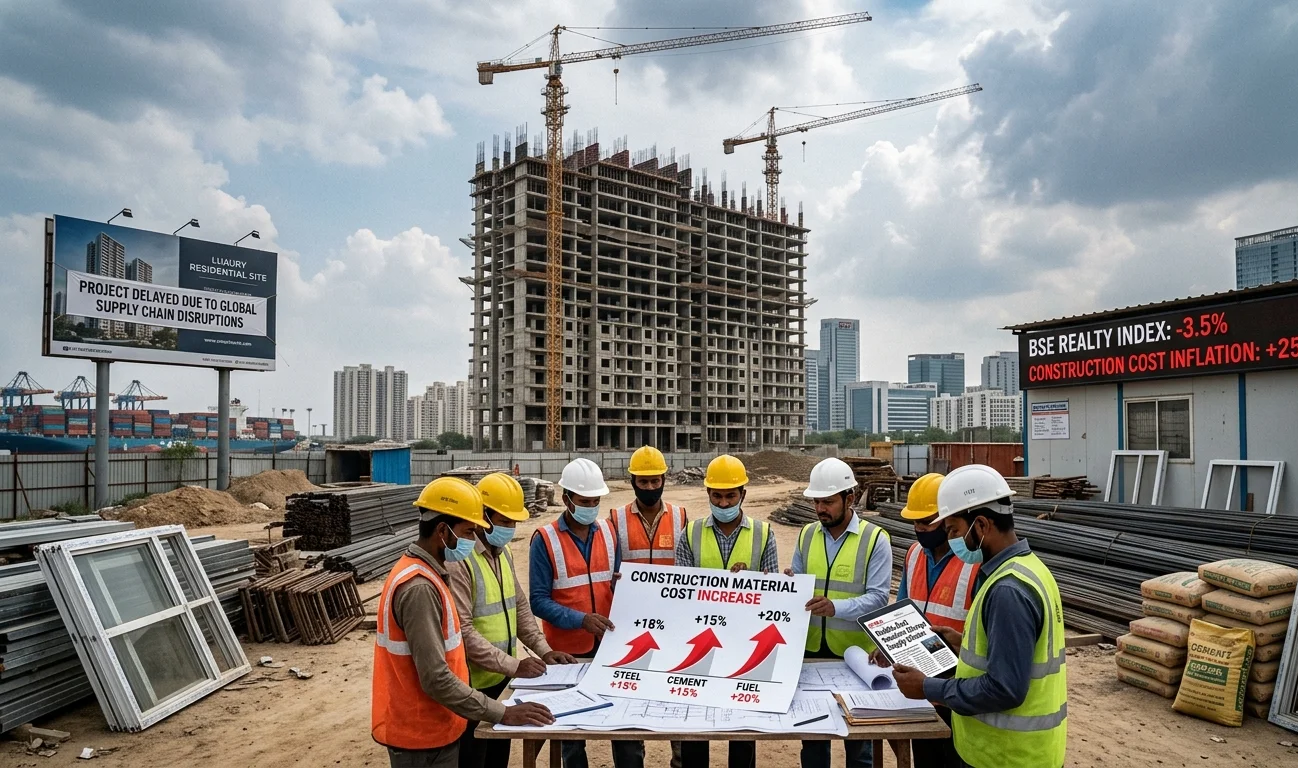
According to the Confederation of Real Estate Developers’ Associations of India (CREDAI), construction costs have surged by more than 25% since the conflict intensified. Major developers including Lodha Developers, Oberoi Realty, Keystone Realtors, and Raymond Realty have also highlighted growing concerns regarding project execution costs and material availability.
As a result, the sector faces a crucial test of resilience. More importantly, homebuyers and investors must understand how these developments could influence property prices and project delivery schedules in the coming months.
Why Is the US-Iran War Affecting India’s Real Estate Sector?
At first glance, a conflict thousands of kilometers away may seem unrelated to Indian real estate. However, global markets remain deeply interconnected.
As tensions rise in the Middle East, crude oil prices increase rapidly. Consequently, transportation and logistics costs rise across industries. Construction materials such as steel, cement, aluminum, paints, tiles, waterproofing products, and PVC pipes become more expensive to manufacture and transport.
Furthermore, disruptions in global shipping routes create additional supply bottlenecks. Developers often depend on imported materials and specialized construction components. Therefore, delays in shipping directly impact construction schedules.
In addition, fluctuating currency values and higher import costs place further pressure on project budgets.
Construction Costs Rise by More Than 25%
The most alarming development comes from CREDAI’s assessment of rising construction expenses.
Developers across India report sharp increases in the prices of critical building materials. Fuel-dependent products have witnessed some of the highest cost escalations. Moreover, sourcing certain materials has become increasingly difficult.
Unlike previous market cycles where developers primarily dealt with price fluctuations, the current challenge extends beyond cost. In many cases, critical materials simply remain unavailable despite buyers being willing to pay higher prices.
As a result, procurement teams now spend more time identifying alternative suppliers and securing inventory before shortages worsen.
Consequently, project budgets require constant revisions.
Supply Chain Disruptions Create New Challenges
Supply chain disruptions have emerged as another major concern for the industry.
Global shipping networks continue facing uncertainty due to geopolitical tensions. Therefore, delivery timelines for imported materials have become unpredictable.
Many developers have already started diversifying procurement strategies. They are actively exploring domestic suppliers and reducing dependence on international sourcing wherever possible.
Meanwhile, companies are also adjusting construction schedules to ensure work continues despite material shortages.
However, these measures can only partially offset the impact. If disruptions continue for an extended period, project completion timelines may face significant pressure.
Labor Shortages Add to Industry Stress
The challenge does not stop with materials alone.
Rising fuel prices have increased transportation costs for workers as well. In some regions, labor movement has slowed considerably. Consequently, several construction sites face workforce shortages.
Labor remains one of the most critical components of project execution. Even when materials remain available, insufficient manpower can delay construction progress.
Therefore, developers now face a dual challenge: securing materials while maintaining adequate workforce availability.
This combination has created an unprecedented level of uncertainty across the sector.
Will Property Prices Increase?
One question dominates discussions among homebuyers and investors: Will property prices rise?
The answer appears increasingly likely.
Developers cannot absorb continuously rising costs indefinitely. While large companies possess stronger financial cushions, prolonged cost escalation eventually impacts pricing strategies.
As project expenses increase, developers may pass part of the additional burden to buyers through higher property prices.
Furthermore, delayed project timelines can increase financing costs, creating another layer of expense.
Therefore, if geopolitical tensions persist, residential and commercial property prices could witness upward pressure in several markets.
How Major Developers Are Responding
Leading developers have already acknowledged the challenges.
Executives from Lodha Developers have indicated that construction costs have increased by approximately 3% to 5% overall, with gas-dependent materials experiencing the highest impact.
Similarly, Oberoi Realty has highlighted concerns regarding material availability and rising energy expenses.
Rustomjee Group has pointed toward increasing costs in imported construction inputs and currency-related pressures. Meanwhile, Raymond Realty expects construction expenses to rise further if the conflict continues over the long term.
Although these companies remain financially prepared, they continue monitoring market conditions closely and adapting procurement strategies accordingly.
CREDAI Seeks Relief for Developers
Recognizing the seriousness of the situation, CREDAI has approached the Ministry of Housing and Urban Affairs seeking support for the sector.
The industry body has requested a blanket extension of three to six months for project completion timelines under RERA regulations.
Such relief could help developers manage delays caused by material shortages and labor disruptions without negatively affecting homebuyers.
Industry experts believe that policy support will play an important role in maintaining stability if the crisis continues.
Expert View: Sanjeev Singh, MD, SKJ Landbase

According to Sanjeev Singh, Managing Director of SKJ Landbase, the current situation highlights the importance of resilience and strategic planning within the real estate sector.
Developers who focus on diversified sourcing, strong vendor relationships, and efficient project management will be better positioned to navigate these challenges. While short-term cost pressures may continue, India’s long-term real estate growth story remains strong due to urbanization, infrastructure development, and sustained housing demand.
What Lies Ahead for Indian Real Estate?
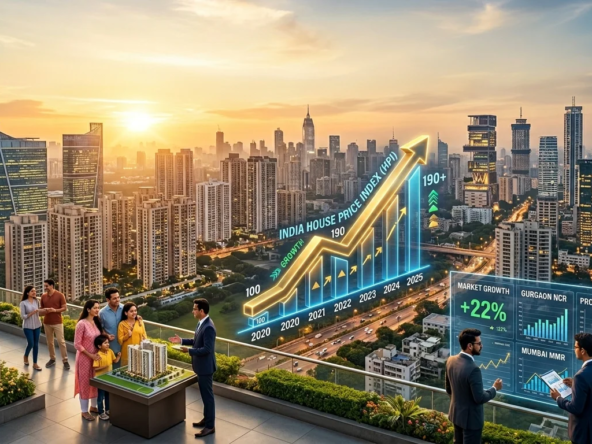
Despite current challenges, India’s real estate market continues to demonstrate remarkable resilience. Demand remains strong across residential, luxury, and commercial segments. Infrastructure investments continue expanding, and urban development projects remain active nationwide.
However, developers must remain agile. They need to strengthen domestic sourcing networks, optimize procurement processes, and carefully manage project timelines.
Meanwhile, homebuyers should closely monitor market developments. Early investment decisions could prove beneficial if construction costs continue rising and property prices move upward.
The coming months will determine how effectively the industry adapts to these geopolitical disruptions. For now, one thing remains clear: the US-Iran conflict has become more than a global political issue it has evolved into a significant economic challenge for India’s real estate sector.