HC Limits Stilt+4 Ban to Gurugram: Big Impact on Real Estate & Urban Planning
Gurugram’s real estate sector has entered a new phase of uncertainty and transformation. The Punjab and Haryana High Court has now clarified that its stay on the controversial stilt+4 construction policy will apply only to Gurugram. At the same time, it has allowed authorities to continue demolition drives against encroachments on public land.
This dual decision has created a strong ripple effect. Buyers, builders, and residents now face a mix of relief, concern, and confusion. So, let’s understand everything step by step.
What the High Court Actually Said
To begin with, the bench led by Sheel Nagu and Sanjiv Berry clarified an important point. The earlier stay order dated April 2 does not apply across Haryana. Instead, it remains restricted to Gurugram.
This clarification matters a lot. Initially, many stakeholders believed the policy faced a statewide halt. However, the court explained that it had reviewed infrastructure reports specifically for Gurugram. Therefore, it limited the stay to this city.
Moreover, the court has scheduled the next hearing for May 4. A detailed order will likely follow soon. Until then, uncertainty continues.
What Is the Stilt+4 Policy?
Now, let’s simplify the concept.
A stilt-plus-four structure includes:
- A stilt floor for parking
- Four residential floors above
The Haryana government reintroduced this policy in July 2024. Officials aimed to increase housing supply and boost revenue. On paper, the idea looked practical. More floors mean more homes in a growing city.
However, reality tells a different story.
Why Residents Opposed the Policy
Residents across Gurugram raised strong objections. Their concerns focused on everyday problems.
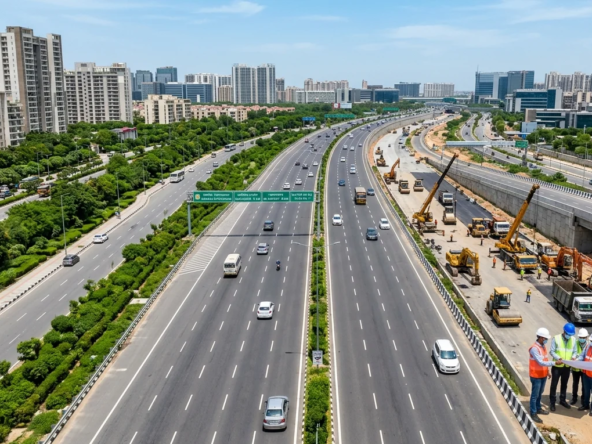
Firstly, roads in many sectors remain narrow. Increased density would worsen traffic congestion. Secondly, parking already spills onto streets. Additional floors would only intensify this issue.
Then comes drainage. Gurugram faces severe waterlogging during monsoon. Extra construction without upgrading infrastructure could create dangerous conditions.
Because of these concerns, multiple petitions reached the court. Residents argued that the policy ignored ground realities.
Court’s Strong Observations
Earlier, the court made a sharp observation. It noted that the state might be risking public safety in its attempt to generate revenue.
Even during the latest hearing, the bench questioned the situation. It highlighted Gurugram’s recurring monsoon problems. The judges clearly indicated that infrastructure must come first.
At the same time, the court did not fully cancel the policy. Instead, it chose a balanced route. It limited the stay to Gurugram and asked for faster arguments in the case.
Demolition Drive Continues
Now, here’s the part that directly affects residents.
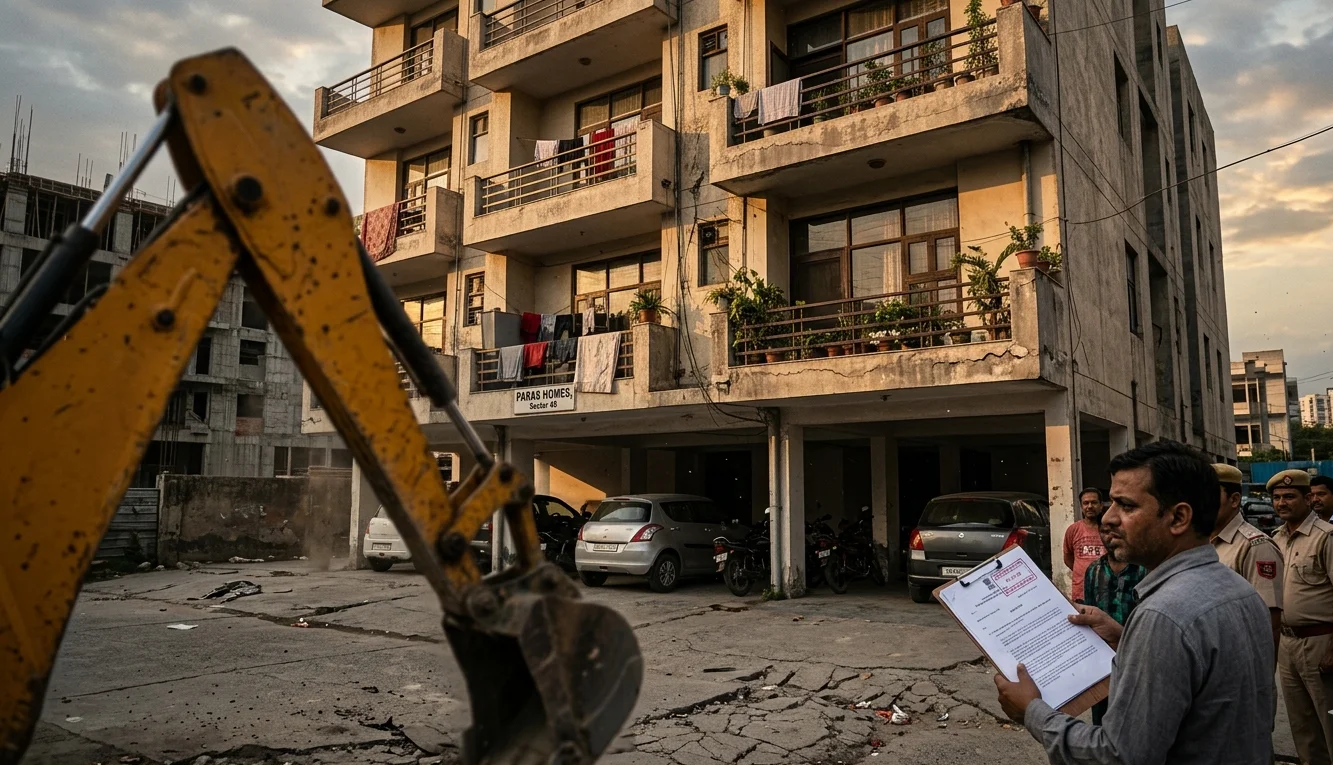
The court has allowed authorities to continue removing encroachments on the right of way. This includes:
- Unauthorized gates
- Ramps extending onto roads
- DG sets placed on public land
According to the state’s legal team, such encroachments do not require prior notice. They block public movement and worsen civic issues.
However, residents disagreed. Senior advocate Gopal Sankaranarayanan argued that authorities acted without proper procedure. He claimed demolitions occurred even in areas not covered by earlier surveys.
Despite these arguments, the court refused to halt the drive. It emphasized the need for immediate action to improve city conditions.
Legal Battle Intensifies
This issue has now turned into a complex legal battle.
On one side, residents from Gurugram and Panchkula continue to challenge the 2024 notification. They argue that a policy cannot remain partially stayed.
On the other side, the Haryana government stands firm. It relies on recommendations from an expert committee led by P Raghavendra Rao. This panel suggested an infrastructure audit before full implementation.
The court wants both sides to speed up arguments. A final verdict may arrive sooner than expected.
Impact on Gurugram Real Estate
This development has already started affecting the property market.
Firstly, developers now face uncertainty. Projects based on stilt+4 approvals may slow down. Secondly, buyers have become cautious. Many prefer to wait until the legal position becomes clear.
At the same time, some micro-markets may see price stability. Demand could shift toward plotted developments or builder floors with clear approvals.
Interestingly, nearby cities may benefit. Since the restriction applies only to Gurugram, investors might explore alternative locations.
Expert Insight by Sanjeev Singh

Sanjeev Singh, MD of SKJ Landbase, shared a practical and grounded perspective:
Gurugram’s growth story cannot ignore infrastructure realities. Policies like stilt+4 must align with road capacity, drainage systems, and urban planning. At the same time, clarity is essential. Buyers and developers need confidence. A balanced and transparent approach will shape the city’s future in the right direction.
His insight reflects the broader sentiment in the market.
What Lies Ahead?
Looking forward, the next hearing on May 4 becomes crucial. The court may:
- Issue a detailed order
- Provide clarity on policy implementation
- Set guidelines for future construction
Until then, the situation remains dynamic.
Final Thoughts
Gurugram stands at a defining moment. Rapid urbanization has created opportunities, but it has also exposed serious gaps in infrastructure.
The High Court’s decision reflects caution. It acknowledges the need for growth while highlighting safety concerns.
Ultimately, the future of stilt+4 construction depends on one key factor planned development.
If authorities align policy with infrastructure, Gurugram can grow sustainably. Otherwise, the city risks deeper urban challenges.
For now, all eyes remain on the upcoming court hearing.