Gurugram’s Masterstroke Against Monsoon Flooding: Pond Revival Plan Takes Shape
Gurugram is preparing to tackle one of its most frustrating urban challenges monsoon waterlogging. Every year, heavy rainfall brings traffic to a standstill and floods key roads. However, this time, the Municipal Corporation of Gurugram (MCG) has stepped forward with a practical and sustainable solution. Instead of relying only on conventional drainage systems, the city will revive and connect pond to manage excess rainwater. This initiative not only aims to reduce flooding but also promises to improve groundwater levels and strengthen urban infrastructure.
Why Waterlogging Remains a Major Issue in Gurugram
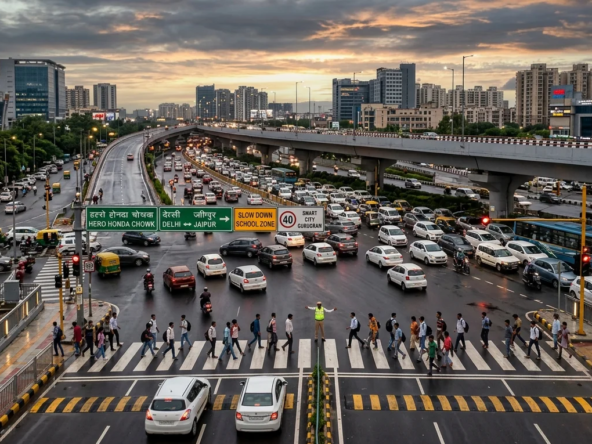
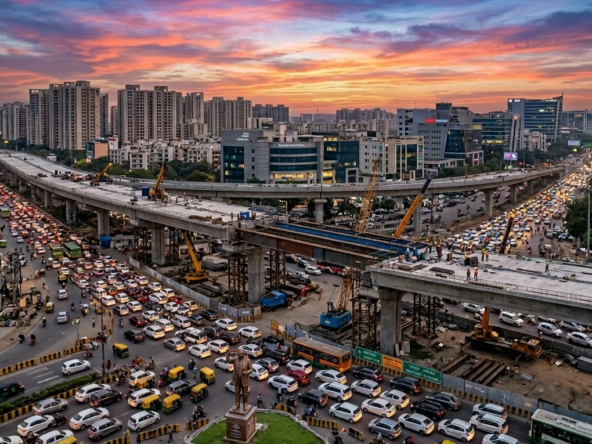
Gurugram has witnessed rapid urban growth over the past decade. High-rise buildings, concrete roads, and shrinking green zones have disrupted natural water flow. As a result, rainwater fails to drain efficiently.
Consequently, several low-lying areas turn into waterlogging hotspots during heavy rainfall. Roads near residential sectors and commercial hubs often flood within minutes. Moreover, existing drainage systems struggle to handle sudden surges of rainwater.
Therefore, authorities needed a smarter and more sustainable approach. Pond rejuvenation has emerged as a strong and effective solution.
Understanding the Pond Revival Strategy
To address this issue, MCG has formed a dedicated committee of eight councillors. This team will monitor the repair and rejuvenation of nearly 25–28 ponds across Gurugram.
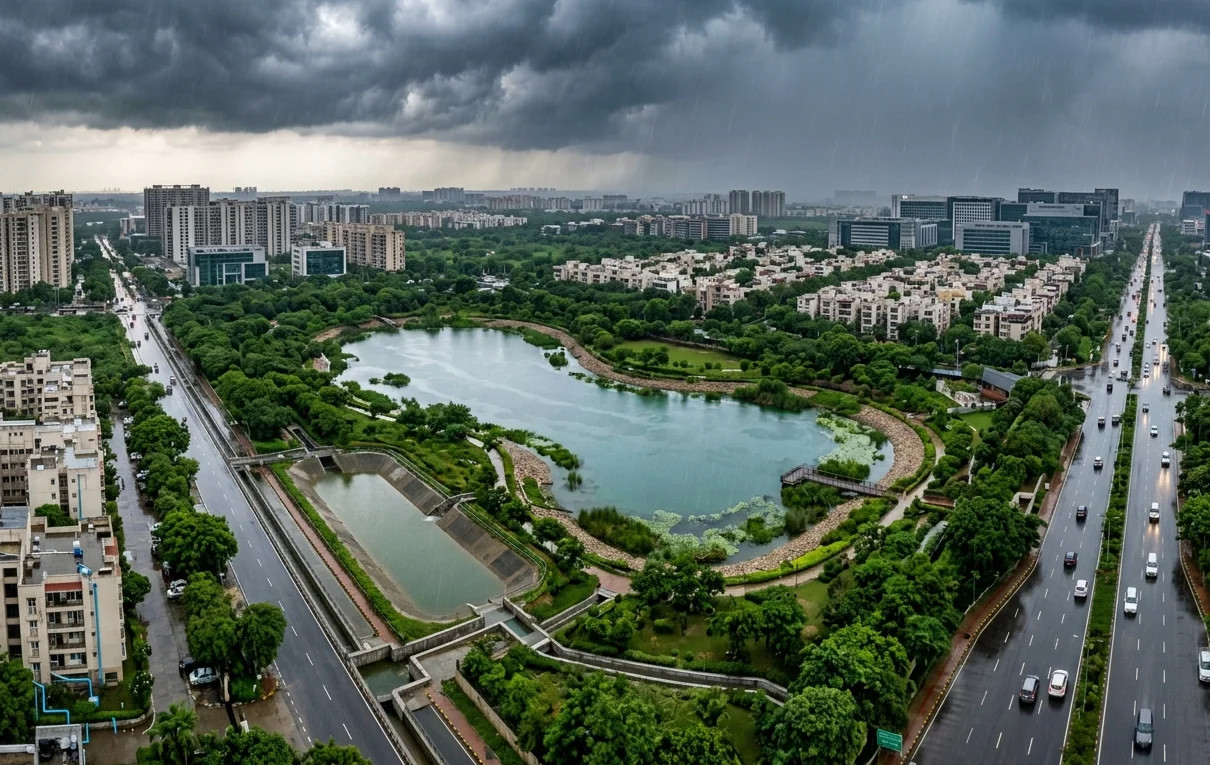
Interestingly, the city has around 70 ponds, also known locally as “jhors.” Out of these, officials will prioritize those located in flood-prone areas. The strategy focuses on a simple yet effective idea. Authorities will connect waterlogging points directly to nearby ponds. As a result, excess rainwater will flow into these ponds instead of flooding roads.
Additionally, the Gurugram Metropolitan Development Authority (GMDA) will link these ponds with master stormwater drains. This integration will ensure smoother water flow across different parts of the city.
Key Locations and Timeline
Authorities have already identified critical areas that face severe waterlogging. Locations like Kanhai and Fazilpur Jharsa will receive immediate attention.
Moreover, these ponds will connect with major drainage lines, including the master drain stretching from Vatika Chowk to Subhash Marg. This connection will improve water diversion during heavy rains.
An aerial survey has already been completed. Therefore, execution will move faster and more efficiently. Officials aim to finish the linkage work by the end of May, just before the monsoon season begins.
Ward-Wise Execution for Stronger Implementation
Unlike earlier projects, this initiative will follow a structured, ward-wise approach. Each councillor will take responsibility for execution in their respective ward.
This strategy offers several advantages. Firstly, it ensures better accountability. Secondly, it speeds up the work process. Thirdly, it allows local issues to be addressed more effectively.
Furthermore, councillors will monitor not just the construction but also long-term maintenance. This focus will ensure that ponds remain functional and effective for years to come.
Groundwater Recharge Gets a Major Boost
While the primary goal is to reduce flooding, the project also addresses another serious issue declining groundwater levels.
When rainwater collects in ponds, it slowly seeps into the ground. As a result, it naturally recharges underground water reserves. This process helps restore the ecological balance of the region.
In addition, some councillors have proposed making sewage treatment plants (STPs) mandatory for schools, colleges, and residential societies. Treated water can then maintain green belts and nearby ponds.
This step will further strengthen Gurugram’s water management system.
A Larger Vision for Sustainable Development
This initiative forms part of a broader plan to improve water conservation across Gurugram. Authorities aim to reduce pressure on the Najafgarh drain, which has overflowed multiple times in recent years.
Past studies have already identified hundreds of water bodies across regions like Sohna, Pataudi, and Manesar. Now, officials plan to revive these resources in a phased manner.
They will also explore additional solutions such as:
- Developing wetlands
- Expanding rainwater harvesting systems
- Using green belts as water retention zones
Clearly, the city is moving towards a more sustainable and future-ready model.
Expert Insight: Industry Perspective

Sanjeev Singh, MD of SKJ Landbase, shared his thoughts on this development:
“Gurugram has long needed a sustainable solution to its waterlogging challenges. This pond revival plan shows a shift towards smarter urban planning. It will not only reduce flooding but also improve groundwater levels. Such infrastructure upgrades will increase the city’s livability and strengthen real estate growth.”
What This Means for Gurugram’s Future
This project has the potential to transform Gurugram’s monsoon experience. Instead of dealing with floods every year, the city is now preparing in advance.
If executed properly, the initiative will deliver multiple benefits. It will reduce waterlogging, improve traffic flow during rains, and enhance groundwater recharge.
Moreover, better infrastructure will boost property values and attract more investment into the region.
Final Thoughts
Gurugram’s pond revival initiative marks a significant shift in urban planning. Instead of relying only on artificial drainage systems, the city is embracing natural water management solutions.
As the monsoon approaches, execution will play a crucial role. However, the intent looks strong and promising.
If authorities maintain consistency and focus, Gurugram can finally overcome its waterlogging issues and set an example for other growing cities in India.