Gurugram’s ₹3,500 Crore Infra Boost: Roads, Flyovers & Water Projects to Redefine Urban Living
Gurugram is once again stepping into a new phase of rapid transformation. This time, the Gurugram Metropolitan Development Authority has proposed a massive ₹3,500 crore infrastructure roadmap for the financial year 2026–27. The plan focuses strongly on improving roads, flyovers, and water systems across the city.
Notably, this proposal reflects a strategic push toward smoother mobility and better urban living. Furthermore, the final approval will take place in an authority meeting chaired by Nayab Singh Saini. If approved on time, these projects could significantly reshape Gurugram’s future.
Major Focus on Roads and Flyovers
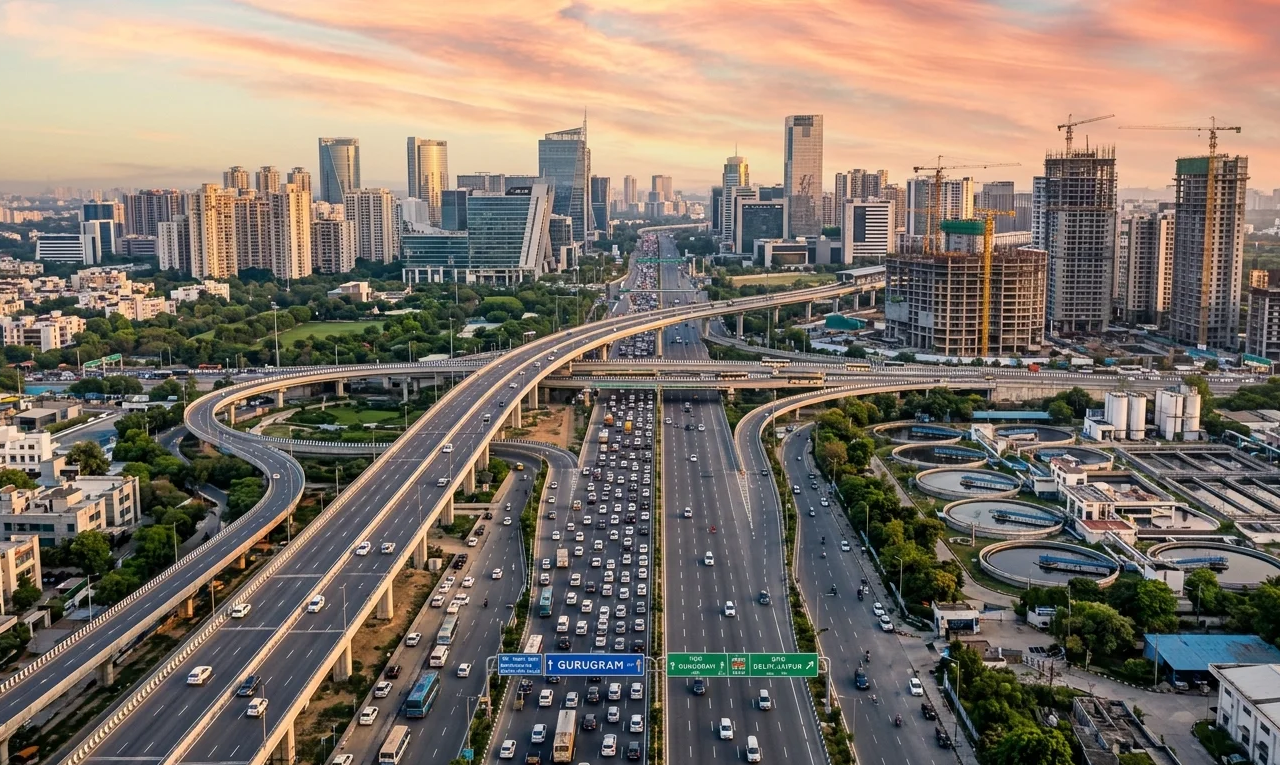
To begin with, GMDA has placed heavy emphasis on reducing traffic congestion. Gurugram faces daily bottlenecks at key junctions. Therefore, the authority has proposed multiple flyovers to improve traffic flow.
The plan includes flyovers at Ambedkar Chowk, Dadi Sati Chowk, Bakhtawar Chowk, and Millennium City Centre. These locations often experience heavy traffic. Hence, these flyovers will directly ease pressure on existing roads.
In addition, GMDA has proposed a cloverleaf interchange at Vatika Chowk. This modern design allows vehicles to move freely without stopping at signals. As a result, travel time will reduce sharply during peak hours.
At the same time, authorities have also planned repairs for the 7.5 km stretch between IFFCO Chowk and SPR. This upgrade will improve road quality and enhance driving comfort.
Elevated Corridor Along SPR: A Landmark Project
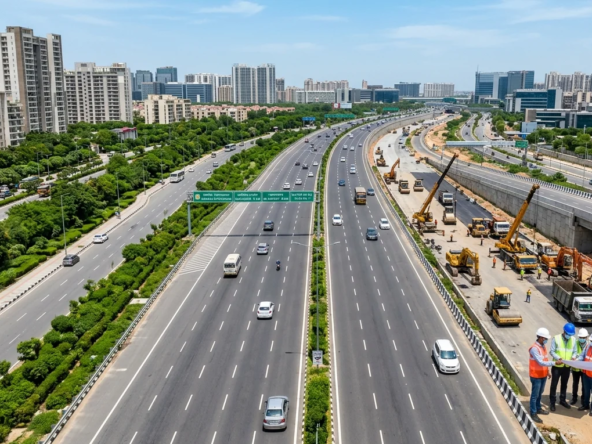
Moving ahead, one of the most ambitious elements of this roadmap is the elevated corridor along the Southern Peripheral Road. This project will play a crucial role in decongesting the city.
Firstly, GMDA has invited tenders worth ₹754 crore for the stretch from NH-48 to Vatika Chowk. Secondly, the extension from Vatika Chowk to Ghata carries an estimated cost of ₹1,846 crore.
Together, this elevated corridor will provide seamless connectivity across major sectors. Moreover, it will reduce dependency on ground-level roads. Consequently, daily commuting will become faster and more efficient.
At the same time, this project will boost real estate demand along SPR. Improved infrastructure often drives property appreciation. Therefore, both investors and homebuyers are likely to benefit.
Better Connectivity Across Key Locations
In addition to flyovers and elevated roads, GMDA has proposed several supporting infrastructure upgrades. For example, a four-lane road overbridge near the Dwarka Expressway will improve connectivity across the railway line.
Similarly, the authority plans to develop model roads across the city. These roads will include better drainage systems, improved lighting, and pedestrian-friendly designs.
As a result, Gurugram will not only become more efficient but also more organized. Furthermore, these upgrades will enhance the overall urban experience for residents.
Strengthening Water Infrastructure
While road projects dominate headlines, water infrastructure remains equally important. Recognizing this, GMDA has allocated substantial funds to improve water supply systems.
The plan includes ₹166 crore for a 100 MLD water treatment plant at Basai. Additionally, new water storage tanks will support distribution across nearby sectors.
Moreover, another ₹54 crore will fund a 100 MLD water treatment plant at Chandu Budhera. These developments will ensure a steady water supply for the growing population.
As a result, residents will experience fewer shortages. At the same time, these upgrades will support future urban expansion.
Funding Strategy Behind the Mega Plan
Now let’s understand how GMDA plans to finance this large-scale development. The authority relies on a mix of revenue sources.
These include development charges, water and sewerage fees, and External Development Charges (EDC). Additionally, GMDA receives a share of stamp duty collections and government grants.
By combining these sources, the authority aims to fund its ambitious roadmap. However, timely fund allocation will remain critical for smooth execution.
Real Estate Growth and Investment Opportunities
Clearly, this infrastructure push will have a strong impact on Gurugram’s real estate market. Improved roads and connectivity will make commuting easier. Consequently, more people will prefer living and investing in these areas.
Locations near SPR and Dwarka Expressway will likely see higher demand. As infrastructure improves, property prices in these areas tend to rise.
Moreover, better water supply and urban planning will enhance the quality of life. Therefore, both end-users and investors will benefit from these developments.
Expert View on the Development
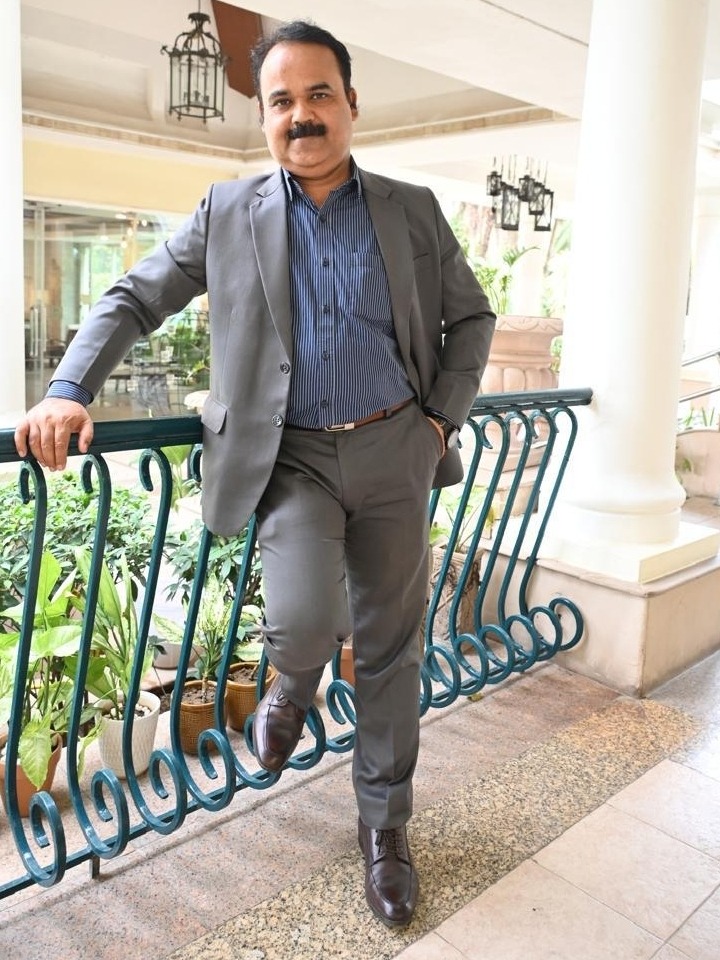
Sanjeev Singh, MD of SKJ Landbase, shared his insights on this major announcement:
“Gurugram is evolving into a more structured and infrastructure-driven city. Projects like the SPR elevated corridor and new flyovers will unlock immense value. In fact, these developments will not only improve connectivity but also create strong investment opportunities in the coming years.”
Final Thoughts: A Vision for the Future
All things considered, GMDA’s ₹3,500 crore roadmap sets a strong foundation for Gurugram’s future. It tackles existing challenges while preparing the city for rapid growth.
If executed efficiently, this plan will transform daily commuting, improve water availability, and boost real estate demand.
Now, the focus shifts to approval and implementation. Once these projects take shape, Gurugram will move closer to becoming a world-class urban hub.