 by SKJ Landbase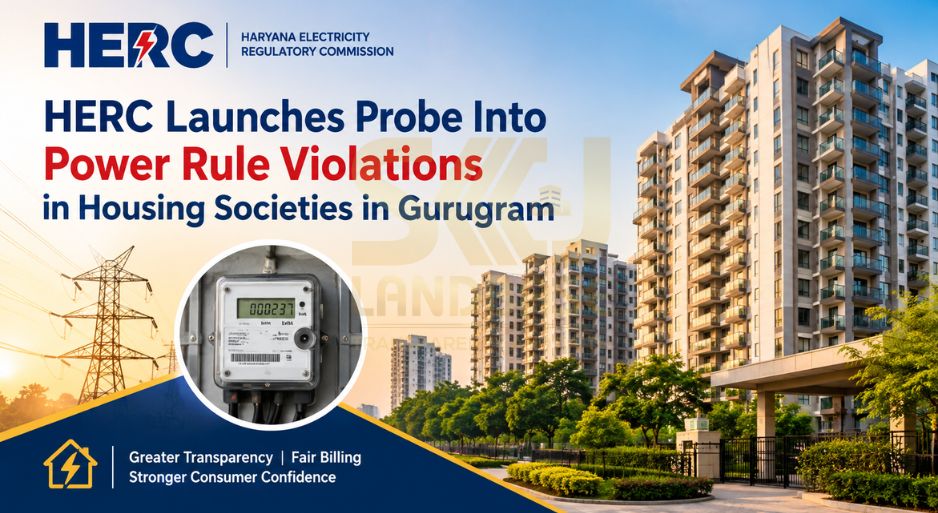
The Haryana Electricity Regulatory Commission (HERC) has initiated a suo motu inquiry into alleged non-compliance with electricity supply and billing regulations in group housing societies across Gurugram. The development could have significant implications for residents, developers, builders and Resident Welfare Associations (RWAs) operating under the single-point electricity supply system.
The inquiry focuses on compliance with HERC’s Single Point Supply Regulations, 2020, along with the implementation of a unified billing system mandated through a Dakshin Haryana Bijli Vitran Nigam (DHBVN) sales circular.
According to the latest report, DHBVN, its Gurugram-based officials, and developers, builders and RWAs identified in connection with the alleged violations have been named as respondents. HERC’s final findings are still awaited.
What Is the HERC Inquiry About?
The Haryana Electricity Regulatory Commission has described the matter as involving potentially “deliberate, continuous, and systemic” non-compliance with rules governing electricity supply to group housing societies.
The inquiry primarily concerns two issues:
- Compliance with HERC’s Single Point Supply Regulations, 2020
- Non-implementation of the Unified Billing Software (UBS) framework introduced through DHBVN’s sales circular D-23/2022.
The investigation comes against the backdrop of recurring concerns among residents regarding electricity metering, billing, tariffs, rebates and the manner in which electricity-related charges are recovered within residential societies.
How Does Single-Point Electricity Supply Work in Gurugram Societies?
Under a single-point supply arrangement, a group housing society receives electricity through a single bulk connection from the distribution company, rather than every apartment receiving an independent connection directly from the discom.
The electricity is subsequently distributed through the society’s internal electrical network, with residents being billed individually.
This model places importance on accurate metering, transparent billing and compliance with applicable electricity regulations.
According to the report, Gurugram currently has 502 single-point connections covering townships, condominiums and colonies. DHBVN prepares a consolidated bill for the society, while the developer or RWA responsible for internal distribution prepares individual bills for residents.
What Are the Alleged Power Rule Violations?
The HERC inquiry is examining several alleged practices relating to electricity billing and distribution.
These reportedly include:
- Disconnection of electricity over disputes involving maintenance or other non-electricity dues
- Charging tariffs higher than permitted levels
- Combining charges in ways that may obscure additional operational fees
- Withholding applicable electricity-related rebates
- Applying commercial electricity rates to certain uses that may fall within permitted domestic categories
- Non-compliance with prescribed metering and billing procedures
These allegations do not represent final findings against every developer, RWA or housing society. The inquiry is ongoing, and respondents have an opportunity to submit their explanations and compliance information.
Why Is Unified Billing Software Important?
One of the significant issues in the inquiry is the implementation of Unified Billing Software (UBS).
DHBVN introduced the system in 2022 for single-point, multiple-user electricity connections in group housing societies. The objective was to create a more standardized billing mechanism and help prevent excessive billing and tariff-related violations.
However, according to the report, the unified billing system has not been implemented as envisaged.
A standardized billing mechanism could potentially make it easier for residents to understand how electricity charges are calculated and compare their bills against applicable tariffs and consumption.
What Happened at the August 25 HERC Hearing?
At the August 25 hearing, DHBVN reportedly sought additional time to provide its compliance information.
Its counsel informed the commission that compliance-related information was being collected from field offices and that the responsibility for compliance primarily rested with developers and RWAs.
HERC granted additional time and directed the respondents to submit their replies by October 7, 2026. The matter has subsequently been listed for hearing on October 12, 2026.
This means the current inquiry remains at an investigative stage and residents should wait for HERC’s eventual findings and directions before drawing conclusions about individual societies.
Why This Matters for Gurugram Homebuyers and Residents
Electricity infrastructure is an important but sometimes overlooked component of apartment ownership.
For homebuyers evaluating a residential project in Gurugram, factors such as:
- Electricity connection structure
- Internal electrical infrastructure
- Metering arrangements
- Electricity tariff methodology
- Maintenance charges
- Backup power charges
- Billing transparency
- RWA/developer responsibilities
can have a direct impact on the long-term ownership experience.
The HERC inquiry highlights why buyers should look beyond the apartment’s size, location and amenities when evaluating a residential project.
What Should Residents Check in Their Electricity Bills?
Residents of group housing societies can use this development as an opportunity to understand their electricity billing structure.
They should consider checking:
1. Meter Reading
Compare the electricity consumption shown on the bill with the actual meter reading, where accessible.
2. Applicable Tariff
Check whether the electricity tariff applied to consumption is consistent with the applicable regulatory framework.
3. Electricity vs Maintenance Charges
Residents should be able to understand which portion of a bill relates specifically to electricity and which charges relate to maintenance or other services.
4. Backup Power Charges
Where diesel generator or backup power is provided, residents should understand how those charges are calculated and disclosed.
5. Rebates and Adjustments
Residents should also verify whether applicable electricity-related rebates or adjustments are reflected appropriately.
6. Disconnection Notices
Electricity disconnection should not automatically become a mechanism for recovering unrelated maintenance or non-electricity dues. The precise rights and obligations depend on the applicable regulations and circumstances.
What Does This Mean for Developers and RWAs?
The HERC investigation could also encourage developers and RWAs to review their internal electricity systems and billing processes.
Housing societies operating under single-point supply may need to ensure that:
- Metering systems comply with applicable regulations
- Electricity bills are transparent
- Applicable tariffs are correctly applied
- Electricity and non-electricity dues are appropriately distinguished
- Residents receive required rebates or adjustments
- Internal distribution systems comply with regulatory requirements
- Billing processes follow the prescribed framework
The inquiry therefore has implications not only for residents but also for the wider management and operation of residential communities in Gurugram.
HERC’s Earlier Regulatory Framework
HERC’s Single Point Supply Regulations were introduced following complaints and petitions involving group housing societies, RWAs, developers and distribution licensees.
Issues raised historically have included metering, billing, electricity supply and electrical infrastructure.
HERC subsequently interacted with stakeholders including residents, RWAs and developers before revising the regulatory framework.
HERC records also show that electricity-related disputes involving Gurugram housing societies have previously reached the commission.
For example, HERC proceedings have included disputes involving societies such as Uniworld Gardens II and complaints concerning electricity billing, prepaid meters and recovery of non-electricity charges through electricity-related mechanisms.
Expert Opinion: What the HERC Probe Could Mean for Gurugram’s Residential Market
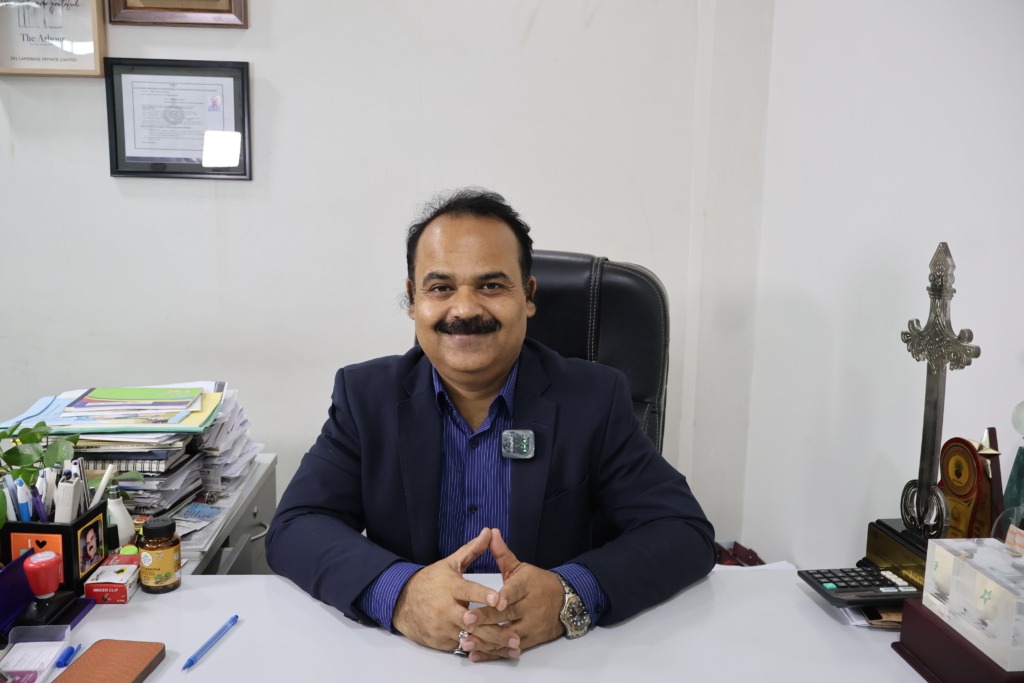
Sanjeev Singh, Managing Director, SKJ Landbase, believes that the HERC inquiry could have wider implications for transparency and consumer confidence in Gurugram’s residential real estate market.
“The HERC inquiry is an important development for homebuyers and residents of group housing societies in Gurugram. Electricity billing and power distribution are essential components of apartment living, and residents should have clarity on how tariffs, metering, rebates and other electricity-related charges are calculated. A transparent and standardized billing mechanism can help reduce disputes between residents, developers, RWAs and power distribution companies.”
According to Singh, the issue is particularly relevant for a rapidly expanding market like Gurugram, where thousands of families live in large group housing communities and depend on centralized electricity infrastructure.
“For the real estate sector, transparency in recurring costs is becoming increasingly important. Homebuyers today look beyond the purchase price and evaluate maintenance charges, electricity costs, infrastructure and overall living expenses before making an investment decision. Greater regulatory clarity and proper implementation of the prescribed billing framework can strengthen consumer confidence in organized residential developments.”
He further noted that the ongoing inquiry should be viewed as a regulatory process rather than a conclusion against any particular developer or housing society.
“The final findings of HERC will be important. Until the regulatory process is completed, all stakeholders should focus on compliance, accurate billing and protecting consumer interests. A clearer and more accountable electricity framework can ultimately benefit residents as well as responsible developers and RWAs.”
The comments come amid HERC’s ongoing inquiry into alleged violations of electricity supply, metering and billing rules in Gurugram’s group housing societies. The regulator has sought responses from the concerned stakeholders, with the matter scheduled for further proceedings.
What Happens Next?
The immediate next steps are expected to revolve around compliance submissions from the concerned respondents.
The respondents have been directed to file their replies by October 7, 2026, with the matter listed for the next hearing on October 12, 2026.
The eventual outcome could provide greater clarity on how single-point electricity supply, billing, metering and recovery of charges should be administered across group housing societies in Gurugram.
What Homebuyers Should Take Away
For prospective homebuyers, the issue is a reminder that purchasing a property involves more than comparing prices and amenities.
A residential project should also be evaluated on its operational infrastructure and regulatory compliance.
Before purchasing an apartment in Gurugram, buyers should consider asking the developer or sales team about:
- Electricity supply arrangement
- Single-point or independent connection
- Metering system
- Power backup arrangement
- Electricity billing methodology
- Maintenance and electricity charge separation
- Historical disputes involving electricity billing
- RWA/developer responsibilities after handover
Transparent answers to these questions can help buyers make a more informed property decision.
Conclusion
HERC’s latest inquiry puts the spotlight on an important aspect of Gurugram’s rapidly expanding residential market: how electricity is supplied, measured and billed inside large housing communities.
With 502 single-point connections reported across townships, condominiums and colonies in the city, the outcome of the regulatory proceedings could have wider relevance for residents and housing societies across Gurugram.
However, it is important to note that the inquiry is ongoing and HERC has not yet issued final findings on the alleged violations.
For homebuyers and existing residents, the development reinforces the importance of transparency in electricity billing, proper metering and compliance with the applicable regulatory framework.
As the next hearing approaches in October, the real estate and residential community in Gurugram will be watching closely for HERC’s directions and any measures that may improve accountability in single-point electricity supply systems.