Gurugram Metro Extension Hits 8% Completion: A Game-Changer for Connectivity, Real Estate, and Urban Growth
Gurugram is moving one step closer to a more connected future. The much-awaited Gurugram Metro Extension project has now achieved nearly 8% completion, bringing fresh optimism for residents, businesses, and investors across the city. According to officials from Gurugram Metro Rail Limited (GMRL), the ambitious corridor aims for completion by August 2028.
The project forms a key part of Gurugram’s long-term infrastructure strategy. Along with the metro expansion, authorities are also accelerating work on major road, rail, and water infrastructure projects. Together, these developments promise to transform mobility, reduce traffic congestion, and support the city’s rapidly growing population.
As Gurugram continues to evolve into a global business and residential destination, the metro project could become one of the most significant drivers of growth over the next decade.
Metro Construction Gains Momentum
The 29-kilometer metro corridor will connect Millennium City Centre to Cyber City through a loop network that also serves Old Gurugram. This new route aims to improve connectivity between established residential areas, commercial hubs, and emerging growth corridors.
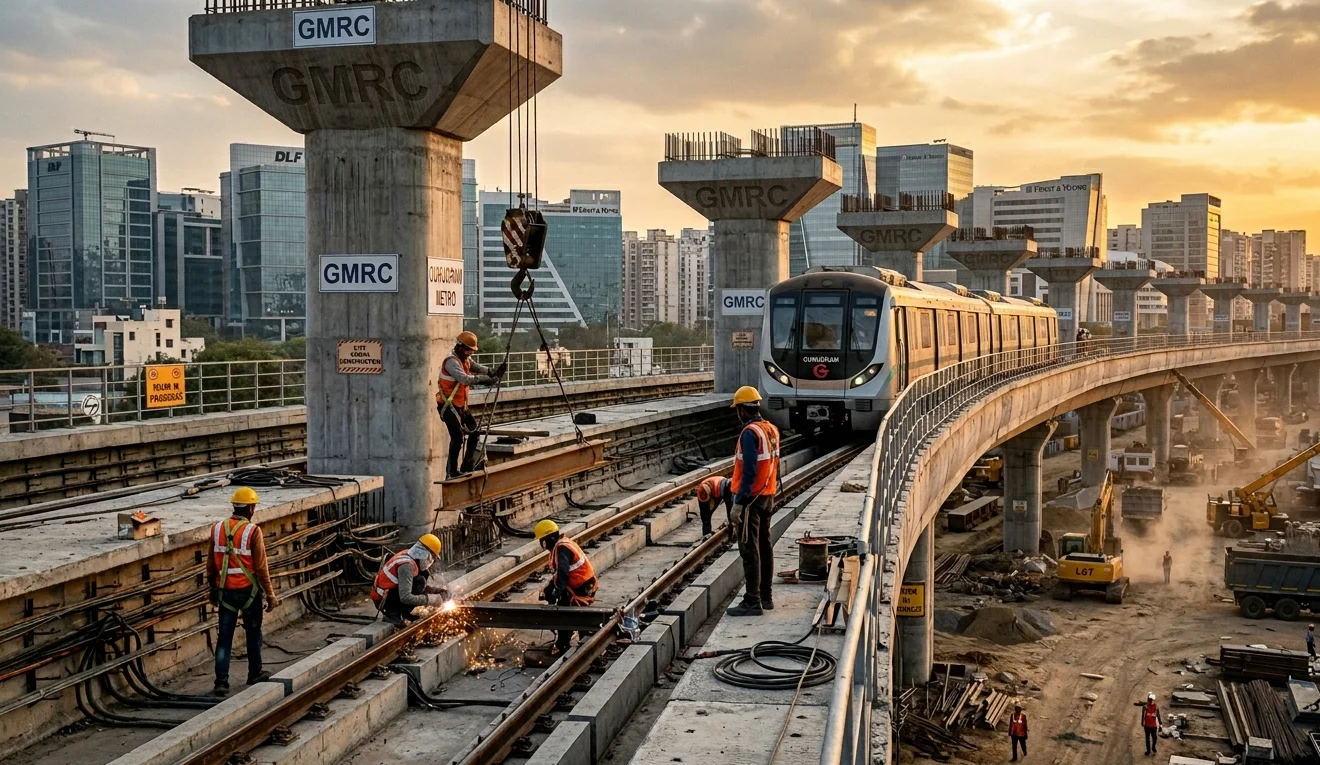
Construction activity has already become visible in several locations. Pillar construction has started from the Millennium City Centre side, and authorities continue to push work forward wherever land is available.
The metro expansion carries immense importance for daily commuters. Currently, thousands of residents depend heavily on private vehicles and road transport. Consequently, traffic congestion remains one of the city’s biggest challenges.
Once operational, the metro line will provide a faster and more reliable transportation option. Furthermore, it will improve access to workplaces, educational institutions, shopping destinations, and healthcare facilities across Gurugram.
Utility Shifting and Land Acquisition Remain Key Challenges
While progress continues, certain obstacles still require urgent attention.
A crucial 2.5-kilometer stretch between Hero Honda Chowk and Umang Bhardwaj Chowk remains stalled due to pending utility shifting work. Authorities have yet to clear several underground and overhead utilities from the construction zone.
As a result, metro construction cannot move forward on this important segment.
In addition, private land acquisition remains pending at a few locations along the corridor. Officials believe faster acquisition will help maintain project timelines and prevent future delays.
Recognizing these challenges, Gurugram MP and Union Minister Rao Inderjit Singh recently directed all concerned agencies to work in close coordination. He emphasized the need for quicker decision-making and stronger collaboration between departments.
If authorities resolve these issues soon, the project can continue progressing at a much faster pace.
Elevated SPR Project Adds More Infrastructure Strength
The metro project is not the only major development currently reshaping Gurugram.
The Elevated Southern Peripheral Road (SPR) project has also entered an important stage. Officials expect construction on the NH-48 to Vatika Chowk stretch to begin around October.
This section represents the first phase of a larger elevated corridor project. The estimated investment for this stretch stands at approximately ₹750 crore.
The elevated road aims to ease traffic movement along one of Gurugram’s busiest corridors. Moreover, it will complement metro connectivity by creating smoother road transportation options.
Once construction starts, authorities plan to complete the project within 30 months.
Together, the metro and SPR projects have the potential to significantly improve mobility across the city.
Positive Impact on Gurugram’s Real Estate Market
Infrastructure development and property appreciation often move hand in hand. Therefore, the metro expansion is expected to create substantial opportunities for Gurugram’s real estate sector.
Historically, metro connectivity has increased demand for both residential and commercial properties. Buyers actively seek homes located near metro stations because they offer convenience and shorter travel times.
Consequently, sectors along the upcoming metro corridor may witness stronger buyer interest in the coming years.
Commercial real estate could benefit as well. Businesses prefer locations with efficient public transport because employees and customers can access them more easily.
Furthermore, better connectivity often attracts new investments, supports retail growth, and encourages mixed-use developments.
As infrastructure continues to improve, Gurugram may witness a new wave of real estate expansion across both established and emerging sectors.
Supporting a Fast-Growing Urban Population
Gurugram’s growth story continues to accelerate. The city attracts multinational corporations, technology firms, startups, and professionals from across India.
At the same time, residential demand continues to expand rapidly.
Authorities estimate that Gurugram’s population could reach nearly 40 lakh in the future. Therefore, transportation and civic infrastructure must keep pace with this growth.
The metro extension directly addresses this challenge by creating a high-capacity public transportation system.
Additionally, projects such as the Regional Rapid Transit System (RRTS), Orbital Rail Corridor, and Global City development will further strengthen Gurugram’s position as a leading economic hub.
Together, these initiatives create a strong foundation for sustainable urban growth.
Water Infrastructure Planning Gains Importance
Beyond transportation, authorities also reviewed long-term water infrastructure requirements during the recent meeting.
Officials highlighted the growing need for reliable water supply as Gurugram’s population increases. To address future demand, planners are working on upgrades to the Gurugram Water Supply System.
The proposed transformation includes converting the network into a pipeline-based system that can improve efficiency and reduce losses.
Additionally, authorities are exploring ways to reduce groundwater dependency while promoting rainwater harvesting and conservation measures.
These improvements will become increasingly important as new residential communities, commercial projects, and business districts continue to emerge across the city.
Sanjeev Singh, MD, SKJ Landbase Shares His Perspective
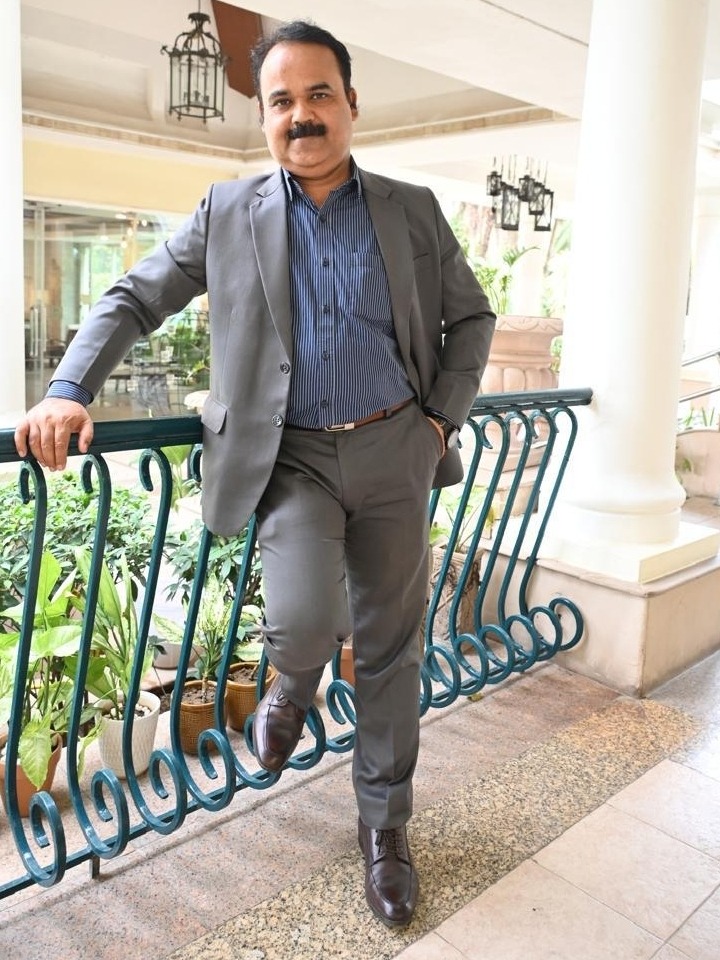
According to Sanjeev Singh, MD of SKJ Landbase, major infrastructure investments often create long-term value for both residents and investors.
He believes the Gurugram Metro Extension represents more than just a transportation project. In his view, it serves as a catalyst for economic growth, improved urban mobility, and stronger real estate demand.
Sanjeev Singh further notes that sectors connected through modern transit infrastructure typically experience higher buyer confidence and increased investment activity. He adds that Gurugram’s combination of metro expansion, road upgrades, and future urban planning initiatives positions the city for sustained growth over the coming years.
Conclusion: A Strong Step Toward Gurugram’s Future
The Gurugram Metro Extension has already begun transforming the city’s infrastructure landscape. Although challenges related to utility shifting and land acquisition remain, visible construction progress reflects growing momentum.
Meanwhile, complementary projects such as the Elevated SPR, RRTS, Orbital Rail Corridor, and water infrastructure upgrades continue to strengthen Gurugram’s development roadmap.
As these projects move forward, residents can expect better connectivity, reduced travel times, and improved quality of life. Investors and homebuyers may also find exciting opportunities emerging along major infrastructure corridors.
With consistent execution and coordinated planning, Gurugram is steadily advancing toward its vision of becoming one of India’s most connected, modern, and future-ready cities.