Delhi-NCR’s Future Depends on Seamless Transport, Not Just New Housing: Industry Experts
Delhi-NCR has witnessed remarkable growth over the last two decades. New residential projects, commercial hubs, expressways, and business districts have transformed the region into one of India’s largest economic centers. However, industry experts now believe that the next phase of development requires much more than simply constructing new homes. They argue that seamless transport connectivity will become the true foundation of sustainable urban growth.
At the India Next Real Estate Expo, transport specialists, policymakers, and real estate leaders discussed how integrated mobility can redefine the future of the National Capital Region (NCR). Their message remained consistent throughout the discussion. While housing continues to play an important role, cities must also offer efficient, reliable, and accessible transportation. Without strong connectivity, even the best residential developments cannot deliver their full potential.
Why Transport Connectivity Matters More Than Ever
Modern homebuyers no longer evaluate a property based only on its size, design, or luxury amenities. Instead, they also consider how easily they can travel to work, schools, hospitals, shopping centers, and entertainment hubs.
Consequently, transport infrastructure has become one of the biggest factors influencing property demand. Buyers increasingly prefer locations that offer quick access to metro stations, expressways, rapid rail systems, and public transportation.
Moreover, businesses also prioritize well-connected locations because employees can commute more efficiently. Better accessibility improves productivity, attracts talent, and encourages commercial investment. Therefore, transport connectivity benefits both residents and businesses alike.
Metro Expansion Alone Cannot Solve Every Challenge
Delhi Metro has undoubtedly transformed commuting across the National Capital Region. Millions of passengers use the network every day, making it one of India’s most successful urban transport systems.
However, experts believe metro expansion alone cannot address every transportation challenge.
Many residents still spend 30 to 60 minutes reaching the nearest metro station. As a result, daily travel becomes longer and less convenient. This issue highlights the importance of first-mile and last-mile connectivity.
Experts emphasized that commuters need seamless transport options before and after using the metro. Feeder buses, electric shuttle services, auto-rickshaws, cycling tracks, pedestrian-friendly roads, and shared mobility solutions can bridge this gap.
When these services work together, public transportation becomes significantly more attractive than private vehicles.
RRTS Will Revolutionize Regional Mobility
The Regional Rapid Transit System (RRTS) represents another major step toward improving NCR connectivity.
Unlike conventional metro systems, RRTS connects multiple cities through high-speed regional rail corridors. Once completed, it will drastically reduce travel time between Delhi and surrounding cities such as Ghaziabad, Meerut, Panipat, Alwar, and Gurugram.
This transformation will create new residential opportunities beyond traditional urban centers.
For example, professionals may choose to live in emerging cities where housing remains relatively affordable while continuing to work in Delhi or Gurugram. Shorter travel times will improve work-life balance and reduce daily commuting stress.
Furthermore, businesses will gain access to a much larger workforce across the entire NCR.
Integrated Urban Planning Is the Real Solution
Industry experts also stressed that transportation planning should begin alongside urban development instead of following it.
In many parts of NCR, residential townships developed long before adequate public transportation arrived. Consequently, residents became heavily dependent on private vehicles.
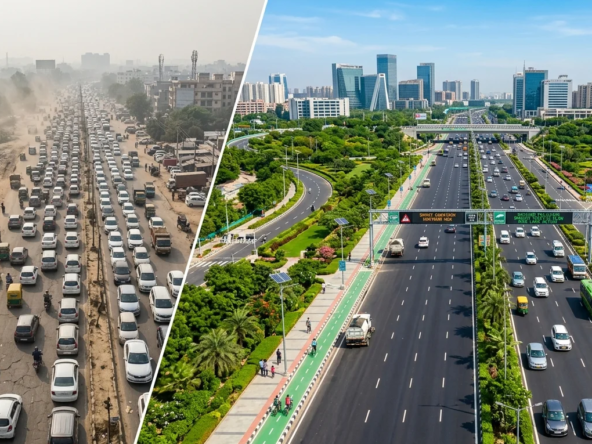
This approach has contributed to increasing traffic congestion, higher fuel consumption, and worsening air pollution.
Experts believe future planning must integrate housing, commercial districts, schools, hospitals, parks, metro stations, roads, and public transportation from the very beginning.
Such coordinated planning creates balanced communities where people can access essential services without spending hours on the road every day.
As Delhi-NCR continues expanding, integrated planning will become increasingly important.
Gurugram Highlights the Importance of Last-Mile Connectivity
Gurugram perfectly illustrates both the success and the shortcomings of rapid urban development.
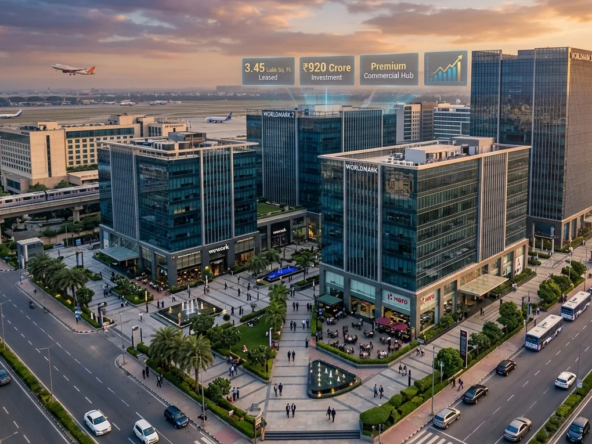
The city features world-class office complexes, premium residential communities, modern highways, and expanding metro connectivity. Nevertheless, many commuters still struggle with the final stretch of their journey.
Several residential sectors remain far from metro stations. Consequently, residents often spend nearly an hour travelling through traffic before beginning their metro commute.
Experts believe stronger last-mile connectivity could dramatically improve this experience.
Dedicated shuttle services, feeder buses, electric mobility solutions, safe footpaths, and cycling infrastructure would encourage more people to leave their private vehicles at home.
This shift would reduce congestion, lower pollution levels, and improve the overall quality of urban life.
Better Connectivity Strengthens Real Estate Growth
Infrastructure and real estate have always shared a close relationship.
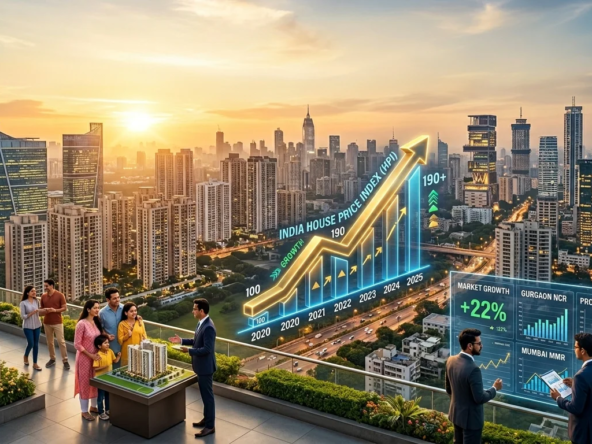
Whenever governments announce new metro corridors, expressways, rapid rail networks, or transport hubs, nearby property markets often experience increased buyer interest.
Improved connectivity enhances accessibility, supports commercial activity, and boosts long-term property appreciation.
Investors increasingly recognize that infrastructure development creates sustainable demand rather than temporary market excitement.
Therefore, transport projects not only improve mobility but also stimulate economic growth across the region.
As more infrastructure projects become operational, several emerging corridors across Delhi-NCR are expected to witness strong residential and commercial expansion.
Sustainable Cities Depend on Public Transport
Transportation also plays a critical role in environmental sustainability.
Delhi-NCR continues to face challenges related to traffic congestion, rising fuel consumption, and air pollution.
Encouraging greater use of metro systems, RRTS, electric buses, cycling infrastructure, and pedestrian-friendly streets can significantly reduce carbon emissions.
Moreover, integrated transport planning creates healthier, cleaner, and more livable cities.
Global cities such as Tokyo, Singapore, and London have demonstrated how strong public transportation supports both economic development and environmental responsibility.
Delhi-NCR now has an opportunity to follow a similar path.
Expert Opinion: Sanjeev Singh, MD, SKJ Landbase
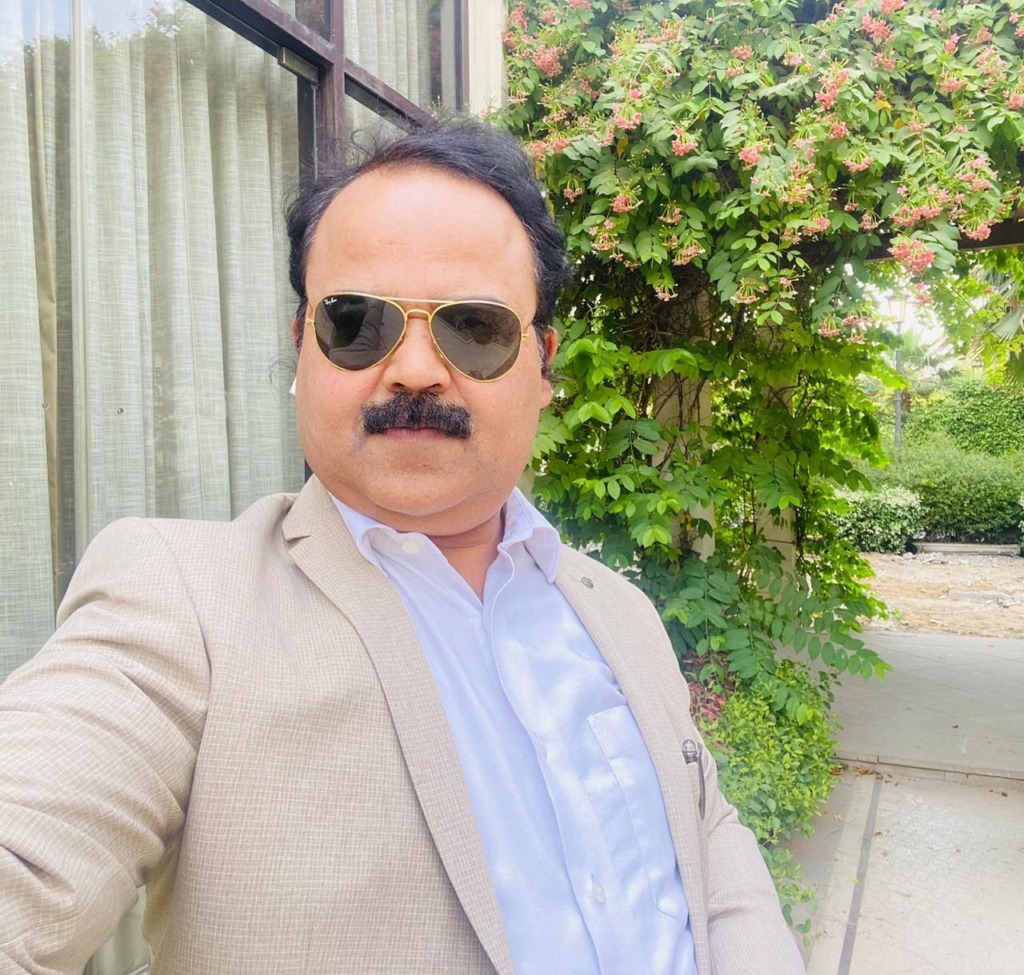
Commenting on the growing importance of connectivity, Sanjeev Singh, Managing Director, SKJ Landbase, said:
“The future of Delhi-NCR real estate will depend on how effectively housing and transportation grow together. Buyers today look beyond the property itself. They value shorter travel times, seamless metro access, and strong regional connectivity. Projects located near integrated transport corridors will continue attracting both end-users and investors. As infrastructure expands across NCR, well-connected destinations will emerge as the strongest real estate growth centers in the coming years.”
Conclusion
Delhi-NCR stands at an important turning point. While residential construction will continue shaping the skyline, seamless transport connectivity will determine how successfully the region grows over the next decade.
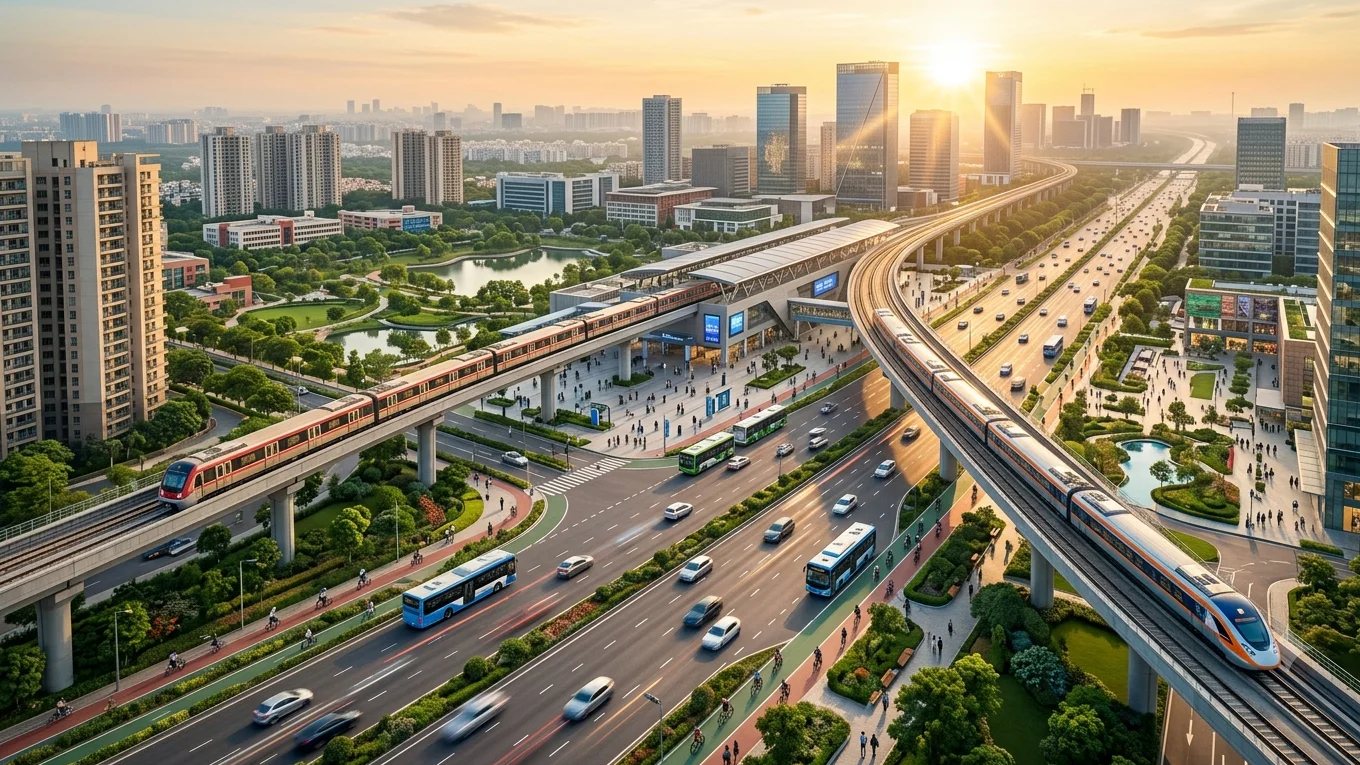
Metro expansion, RRTS, expressways, feeder services, and integrated urban planning must work together to create cities where people can live, work, and travel with ease.
Ultimately, stronger mobility will improve daily life, support sustainable development, attract greater investment, and unlock the full potential of Delhi-NCR’s real estate market. The future belongs not only to cities that build more homes but also to those that connect people more efficiently.