RBI House Price Index Surges 4.2% in Q4 FY26: Why India’s Housing Market Continues to Shine
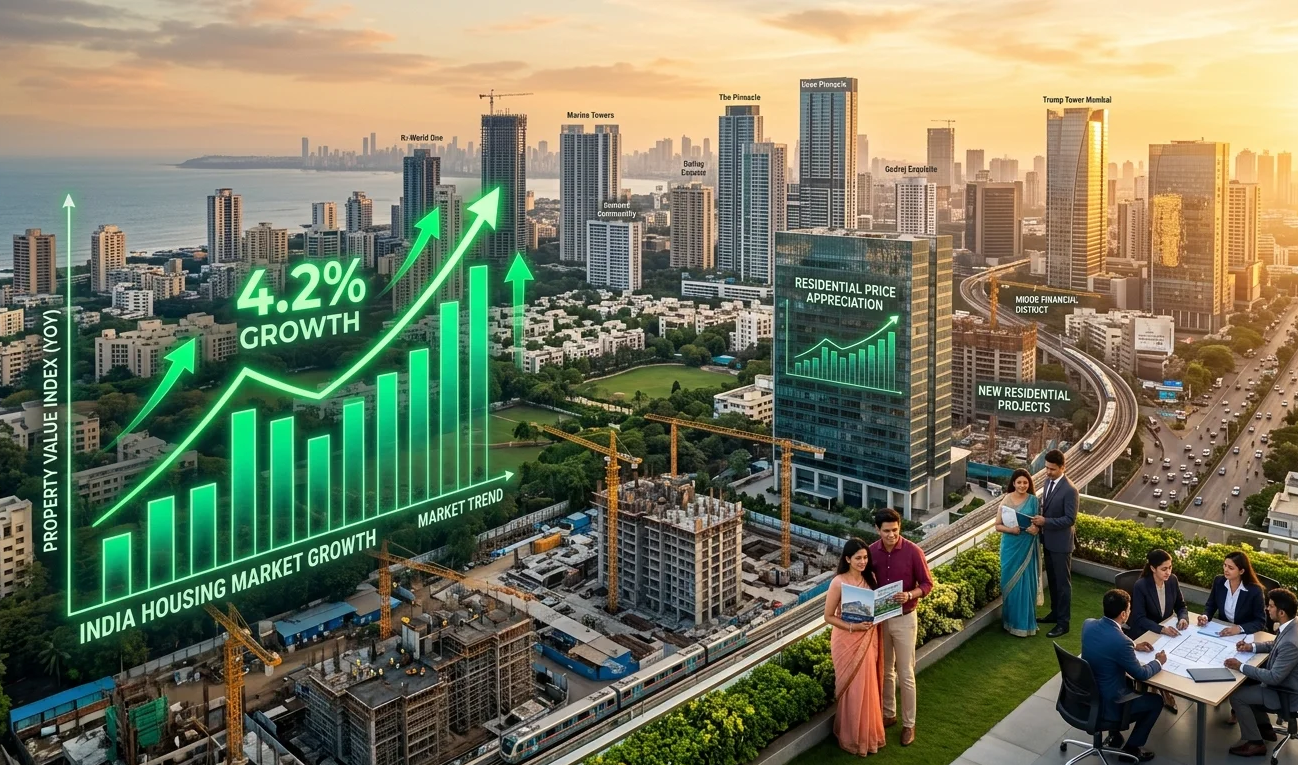
India’s residential real estate sector continues to demonstrate resilience and growth. The latest data released by the Reserve Bank of India (RBI) paints an encouraging picture for the housing market. According to the central bank, the All India House Price Index (HPI) increased by 4.2% during the January-March quarter of FY26, compared to a growth rate of 3.8% in the corresponding quarter last year.
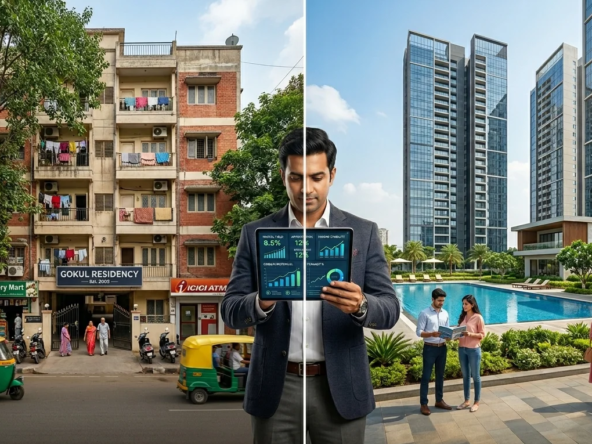
The steady rise in housing prices reflects strong demand, increasing buyer confidence, improved infrastructure, and continued urban expansion. Moreover, several emerging cities have played a significant role in pushing the index higher, signaling that real estate growth is no longer limited to metropolitan hubs alone.
Understanding the RBI House Price Index
The House Price Index serves as an important indicator of residential property price trends across India. RBI compiles this index every quarter using transaction-level data collected from registration authorities.
The current HPI is based on 18 major cities across the country. These include Delhi, Mumbai, Bengaluru, Chennai, Kolkata, Hyderabad, Pune, Ahmedabad, Lucknow, Jaipur, Chandigarh, Nagpur, Kanpur, Kochi, Thiruvananthapuram, Ghaziabad, Thane, and Gautam Buddha Nagar.
The index rose to 115.9 in Q4 FY26 from 115.6 in the previous quarter. Although the quarter-on-quarter increase stands at 0.2%, the annual growth rate of 4.2% highlights the housing sector’s sustained momentum.
Emerging Cities Lead the Growth Story
One of the most notable aspects of the RBI report involves the performance of emerging cities. While metro cities continue to attract buyers, cities such as Nagpur, Jaipur, Chandigarh, and Kanpur emerged as major contributors to the rise in the House Price Index.
Several factors support this growth.
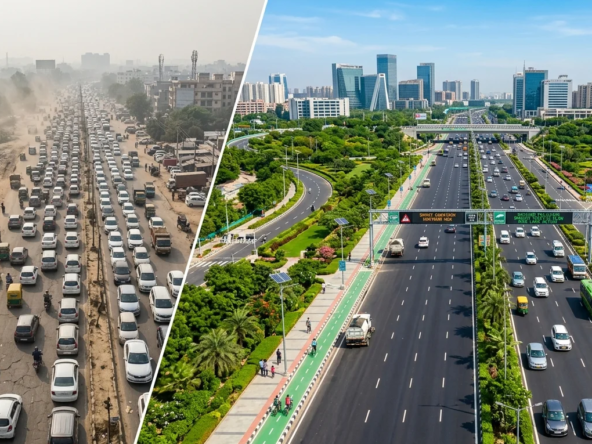
First, infrastructure development continues to transform these cities. New highways, metro projects, industrial corridors, and commercial hubs have improved connectivity and economic activity.
Second, affordability remains relatively attractive when compared to major metropolitan markets. Buyers often find larger homes and better lifestyle amenities within their budget in these cities.
Third, increasing employment opportunities continue to attract professionals and families seeking quality housing options.
Consequently, developers have expanded their presence in these regions, creating a wider range of residential projects that cater to various buyer segments.
Infrastructure Development Fuels Property Demand
Infrastructure remains one of the strongest drivers of real estate appreciation. Across India, government investments in roads, expressways, airports, railway networks, and urban transit systems continue to create new growth corridors.
Whenever connectivity improves, residential demand usually follows. Buyers prefer locations that offer easier commuting, better access to workplaces, and enhanced lifestyle conveniences.
Cities like Jaipur, Lucknow, Pune, and Chandigarh have witnessed substantial infrastructure upgrades over the past few years. Therefore, property values in these markets have experienced consistent appreciation.
Furthermore, smart city initiatives and urban modernization programs continue to attract both investors and end-users.
Strong Economic Growth Supports Housing Demand
India’s economic growth remains another major factor behind rising housing prices. A growing economy creates employment opportunities, increases disposable incomes, and strengthens consumer confidence.
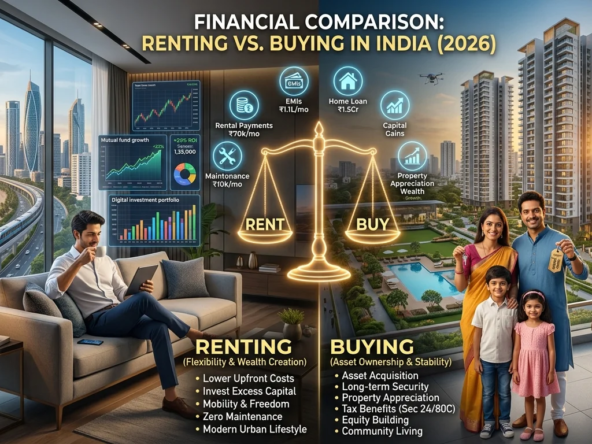
As household incomes improve, more people consider purchasing homes rather than continuing with rental arrangements. Additionally, professionals working in IT, manufacturing, financial services, and startup sectors increasingly view homeownership as a long-term investment.
At the same time, stable demand from both first-time buyers and upgrade buyers continues to support market activity.
This balanced demand helps maintain healthy price growth without creating excessive market volatility.
Why Homebuyers Continue to Invest in Real Estate
Homeownership remains a significant aspiration for Indian families. Even during periods of economic uncertainty, residential real estate often retains its appeal because it provides both security and long-term wealth creation.
Many buyers now prioritize larger homes, better amenities, and integrated communities. The rise of hybrid work models has further influenced preferences toward spacious residential developments.
Additionally, many buyers recognize that delaying a purchase could lead to higher acquisition costs if property prices continue their upward trajectory.
As a result, genuine end-user demand remains a major pillar supporting the housing market.
What This Means for Real Estate Investors
The latest House Price Index data offers encouraging signals for investors.
Consistent price appreciation suggests that residential real estate continues to generate long-term value. Investors can particularly benefit from emerging cities where infrastructure expansion and economic growth create opportunities for future capital appreciation.
Moreover, rising rental demand in several urban centers adds another layer of attractiveness for investors seeking regular income.
However, successful investing requires careful market research, location analysis, and a long-term perspective.
Investors should focus on areas with strong infrastructure pipelines, employment growth, and reputable developers.
Expert View

According to Sanjeev Singh, MD, SKJ Landbase, the RBI’s latest House Price Index data reflects the growing maturity of India’s residential real estate market.
“The steady increase in housing prices highlights strong buyer confidence and sustained demand across both metro and emerging cities. Infrastructure development, economic growth, and increasing urbanization continue to create long-term opportunities for the real estate sector. Buyers and investors who focus on strategically located projects can benefit significantly from future growth trends.”
Outlook for India’s Housing Market
Looking ahead, the outlook for India’s residential real estate sector remains positive. Infrastructure investments continue to accelerate, urbanization remains strong, and economic growth supports housing demand across multiple regions.
Furthermore, rising aspirations among young professionals and families continue to drive home purchases. Emerging cities are likely to play an even greater role in the next phase of real estate growth.
While price appreciation may vary across markets, the overall trend suggests continued strength in the housing sector.
As the RBI’s latest data demonstrates, India’s residential real estate market remains on a solid growth path. For homebuyers, investors, and developers alike, the coming years could present significant opportunities in one of the country’s most dynamic sectors.