India’s Housing Market Shows Strong Momentum
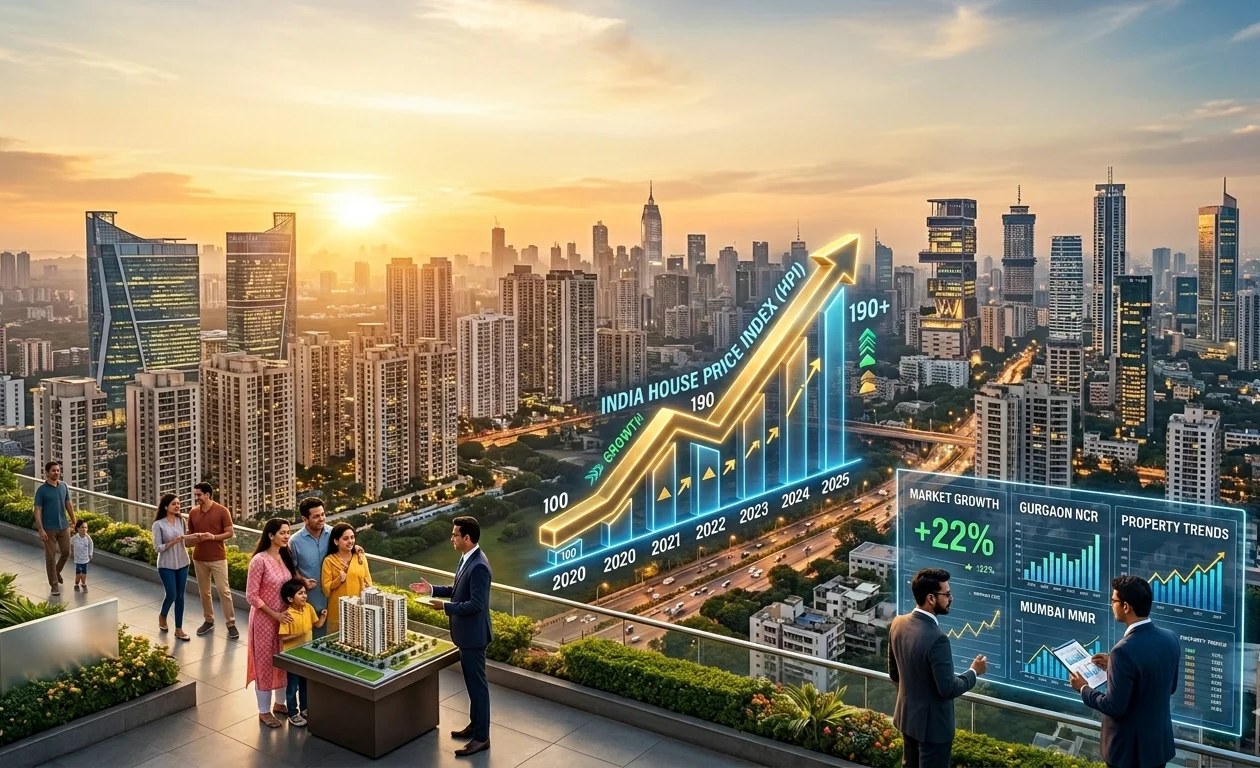
India’s residential real estate market continues to strengthen, and the latest data from the Reserve Bank of India (RBI) confirms this positive trend. According to the central bank, the All India House Price Index (HPI) increased by 4.2% during the January–March quarter of FY26. In comparison, the index had recorded a growth of 3.8% during the same period a year earlier.
The latest figures indicate that housing demand remains healthy across the country. More importantly, they highlight growing buyer confidence despite changing economic conditions. As infrastructure projects expand and urban development accelerates, residential property values continue to move upward.
For investors, developers, and homebuyers, the RBI report offers another sign that India’s housing sector remains one of the strongest pillars of the economy.
Understanding the RBI House Price Index
The House Price Index serves as one of the most important indicators of residential market performance in India. RBI prepares this index every quarter using transaction-level data collected from registration authorities across major cities.
The index tracks changes in residential property prices and helps market participants understand trends in housing demand and value appreciation.
The latest report shows that the HPI rose to 115.9 in Q4 FY26 from 115.6 in the previous quarter. Although quarter-on-quarter growth stood at 0.2%, the annual growth rate of 4.2% reflects consistent appreciation in housing prices.
This steady increase suggests that residential real estate continues to attract buyers even as market dynamics evolve.
Which Cities Led the Growth?
Not all cities contributed equally to the rise in housing prices. According to RBI data, Nagpur, Jaipur, Chandigarh, and Kanpur emerged as some of the strongest performers during the quarter.
These cities have witnessed significant improvements in infrastructure, connectivity, and economic activity over the past few years. Consequently, residential demand has increased steadily.
Jaipur continues to attract both end-users and investors due to its expanding urban landscape and improving transport networks. Similarly, Chandigarh benefits from strong civic infrastructure and a high quality of life.
Nagpur has gained attention because of ongoing industrial growth and strategic development initiatives. At the same time, Kanpur is witnessing renewed interest from buyers as urban modernization projects progress.
As a result, these emerging markets are becoming important contributors to India’s overall real estate growth story.
Infrastructure Development Remains a Major Growth Driver
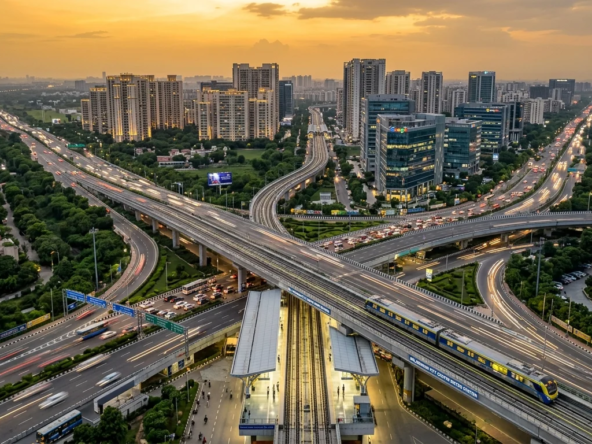
One of the biggest factors supporting housing prices across India is infrastructure development. Governments at both the central and state levels continue to invest heavily in roads, expressways, metro rail projects, airports, and smart city initiatives.
These projects improve connectivity and create new opportunities for residential development. Consequently, areas that once remained on the outskirts of cities are now becoming attractive housing destinations.
For example, improved transportation networks reduce travel time and increase accessibility. Therefore, homebuyers become more willing to invest in developing locations.
Additionally, infrastructure upgrades often lead to better social amenities such as schools, hospitals, shopping centers, and recreational facilities. These improvements enhance livability and further strengthen housing demand.
As infrastructure spending continues to rise, the residential market may witness even greater momentum in the coming years.
Why Investors Continue to Prefer Real Estate
Real estate remains one of the most trusted investment options in India. Unlike many financial assets that experience sharp fluctuations, property offers stability, tangible ownership, and long-term wealth creation.
The latest RBI report reinforces this confidence. Rising house prices indicate healthy market fundamentals and sustained demand.
Moreover, rental demand has increased in several major cities. Professionals relocating for work and students moving for education continue to fuel the rental housing market. Consequently, investors can benefit from both rental income and capital appreciation.
Another important factor involves India’s demographic profile. A young population, growing middle class, and increasing urbanization continue to create long-term housing demand. Therefore, many investors view residential real estate as a secure and rewarding asset class.
Homebuyers Are Returning to the Market
Despite rising prices, homebuyers remain active across multiple cities. In fact, many buyers now prefer purchasing property sooner rather than waiting for future price increases.
Several factors support this trend. Rising incomes, greater financial awareness, and improving employment opportunities encourage individuals to invest in homes.
Furthermore, many families now prioritize homeownership as a key financial goal. They see property not only as a place to live but also as an asset that can appreciate over time.
Developers have also adapted to changing buyer preferences. Modern residential projects now offer better amenities, enhanced security, green spaces, and lifestyle-focused features.
As a result, demand remains healthy across both affordable and premium housing segments.
What This Means for the Indian Real Estate Sector
The RBI House Price Index data sends a positive signal to the entire real estate ecosystem. It demonstrates that residential demand remains resilient and that housing prices continue to appreciate at a sustainable pace.
Furthermore, the growing contribution of tier-2 cities highlights an important shift in market dynamics. Investors and homebuyers are increasingly exploring opportunities beyond traditional metropolitan hubs.
This trend creates new growth avenues for developers and supports balanced regional development.
If current economic and infrastructure trends continue, India’s residential market could witness another phase of expansion over the next few years.
Expert Perspective from Sanjeev Singh, MD, SKJ Landbase

Sanjeev Singh, MD of SKJ Landbase, believes the RBI’s latest House Price Index data reflects the growing maturity and strength of India’s housing sector.
According to him, “The consistent rise in housing prices shows that buyer confidence remains strong across both metro and emerging cities. Infrastructure development, improving connectivity, and expanding economic activity continue to create demand for quality residential projects. Investors are increasingly looking at real estate as a long-term wealth creation tool, while homebuyers recognize the value of owning property in growth corridors. The outlook for the residential market remains highly encouraging.”
Conclusion
The 4.2% rise in India’s House Price Index during Q4 FY26 highlights the continued resilience of the residential real estate sector. Strong demand, expanding infrastructure, growing urbanization, and increasing investor confidence continue to push the market forward.
Cities such as Jaipur, Nagpur, Chandigarh, and Kanpur have emerged as key growth centers, while major metropolitan regions maintain steady momentum. As India moves further along its development journey, housing demand is likely to remain robust.
For homebuyers, investors, and developers, the RBI report provides a clear message: India’s real estate market continues to build on a strong foundation, and the growth story is far from over.