India’s Retail Market Shows Strong Momentum in 2026
India’s retail real estate sector continues to demonstrate remarkable strength even amid temporary supply challenges. During the first quarter of 2026, the country recorded gross retail leasing of 3.1 million sq ft across the top seven cities. Although fresh mall supply remained limited, retailers aggressively pursued expansion opportunities across multiple formats.
According to a report by JLL, Mumbai emerged as the biggest retail leasing market during the quarter with a 26% share of total leasing activity. Meanwhile, Delhi-NCR and Bengaluru jointly secured the second position with 21% each.
Together, these three major cities contributed nearly 68% of India’s overall retail leasing volumes. This trend clearly highlights the growing concentration of retail demand in India’s largest urban centers.
At the same time, the retail sector also witnessed a major shift in expansion strategy. Since developers added only limited new mall inventory, brands increasingly turned toward high streets and mixed-use commercial spaces.
High Streets Become the Preferred Retail Destination
One of the most significant developments during Q1 2026 involved the growing dominance of high-street retail spaces. Due to the shortage of fresh institutional-grade mall supply, retailers rapidly shifted focus toward busy commercial corridors and premium street-facing locations.
As a result, high streets accounted for nearly 48% of total retail leasing activity during the quarter. Shopping malls captured around 40%, while other retail formats contributed the remaining share.
This transformation reflects changing retailer priorities. Instead of depending entirely on malls, brands now prefer locations that offer immediate visibility, stronger customer interaction, and higher daily footfall.
Additionally, consumers today actively seek experiential shopping environments. They enjoy vibrant retail districts filled with cafes, restaurants, entertainment hubs, and lifestyle stores. Therefore, high streets naturally continue attracting both domestic and international retailers.
Cities like Bengaluru and Chennai especially experienced strong high-street growth because no major mall supply entered these markets over the past year.
Mumbai Continues Dominating Retail Leasing Activity
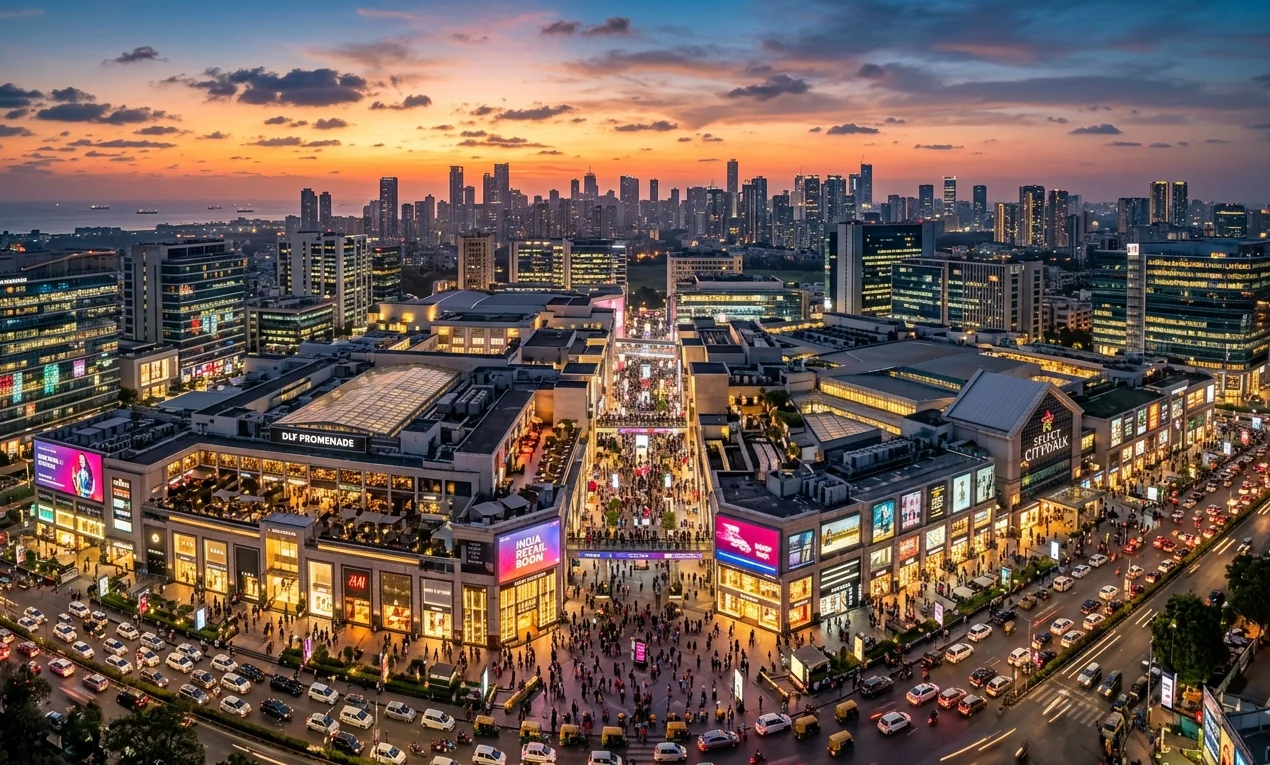
Mumbai once again reinforced its position as India’s leading commercial and retail hub. The city alone captured 26% of the country’s total retail leasing activity during Q1 2026.
Several luxury brands, international retailers, and premium food & beverage operators aggressively expanded across Mumbai’s prime retail destinations. Strong consumer spending, rising disposable income, and dense urban catchments further boosted leasing momentum.
Meanwhile, Delhi-NCR and Bengaluru maintained equally impressive performance levels. Both cities secured a 21% market share each, demonstrating strong retailer confidence across North and South India.
Delhi-NCR particularly continued witnessing strong demand for premium shopping malls and organized retail centers. Hyderabad also maintained healthy mall-centric leasing activity despite the broader national shift toward high streets.
On the other hand, Bengaluru and Chennai saw retailers focusing heavily on established high-street corridors because of the lack of fresh mall inventory.
Limited Mall Supply Reshapes Expansion Strategies
The moderation in quarterly retail leasing largely stemmed from a temporary slowdown in new mall supply. During Q4 2025, developers added nearly 2.5 million sq ft of fresh mall space across India’s top cities. However, Q1 2026 recorded only 0.25 million sq ft of new supply.
Naturally, this created a short-term supply-demand imbalance.
Still, retailers did not pause expansion plans. Instead, they adopted a more flexible strategy by exploring alternative retail formats such as mixed-use developments, commercial complexes, and high streets.
This adaptability clearly demonstrates the maturity of India’s retail real estate market. Retailers today focus more on strategic locations, customer engagement, and brand visibility rather than relying solely on large malls.
Moreover, developers now understand the growing importance of integrated retail ecosystems that combine shopping, dining, entertainment, and lifestyle experiences.
International Brands Continue Entering India
India’s growing consumer market continues attracting major global retailers. Over the last 15 months, more than 30 international brands entered India across sectors such as fashion, beauty, cosmetics, food & beverage, and lifestyle.
Interestingly, several foreign brands that had previously exited the Indian market are now making a comeback with larger multi-city expansion plans.
This renewed confidence highlights India’s strong long-term consumption potential. Rising urbanization, increasing disposable incomes, and changing lifestyle preferences continue supporting retail growth across major cities.
Apart from global brands, D2C companies also remained highly active during the quarter. Value fashion retailers, automobile brands, and restaurant chains aggressively expanded operations across India’s premium retail corridors.
Consequently, leasing demand remained stable despite the temporary supply shortage.
Secondary Cities Also Maintain Healthy Growth
Although metro cities dominated retail leasing activity, secondary cities also delivered strong performances during Q1 2026.
Kolkata captured nearly 10% of total leasing volumes, supported by strong demand in newly launched retail developments. Hyderabad secured a 9% share, while Chennai and Pune contributed 7% and 6% respectively.
These numbers clearly show that organized retail expansion no longer remains limited to metro cities alone. Rising infrastructure development and growing purchasing power continue supporting retail growth across emerging urban centers.
Furthermore, developers increasingly view Tier-2 markets as important long-term investment destinations due to improving connectivity and expanding residential catchments.
Massive Retail Pipeline Signals Long-Term Confidence
India’s retail real estate sector appears ready for another major growth cycle. According to industry estimates, developers plan to deliver nearly 46.1 million sq ft of retail space across the top seven cities between 2026 and 2030.
This upcoming institutional-grade inventory will significantly strengthen market capacity. It will also support retailer expansion, reduce vacancy levels, and improve rental growth prospects.
Additionally, strong retail demand may attract larger institutional investments into India’s commercial real estate sector over the next few years.
As modern malls, mixed-use developments, and experiential retail centers become operational, India’s retail landscape could witness unprecedented transformation.
Expert Insight from SKJ Landbase
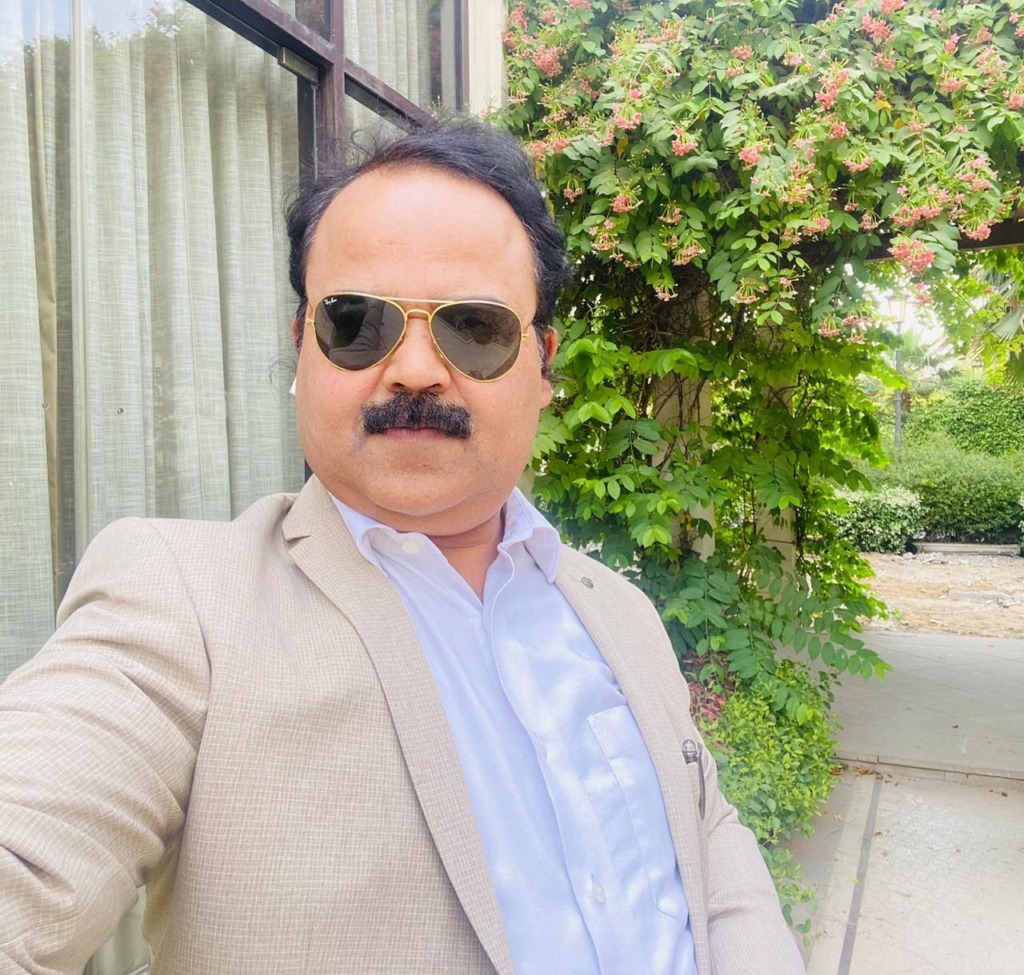
Sanjeev Singh, MD of SKJ Landbase, believes India’s retail sector continues entering a powerful expansion phase despite temporary supply constraints.
He said, “The continued leasing momentum clearly proves that India’s retail story remains extremely strong. Retailers today actively explore high streets, mixed-use developments, and premium retail corridors alongside malls. Cities with strong infrastructure and rising residential density will continue attracting maximum retail investments in the coming years.”
Conclusion
India’s retail real estate market continues evolving rapidly in 2026. Although limited mall supply temporarily moderated leasing activity during Q1, retailer confidence remained extremely strong.
Mumbai, Delhi-NCR, and Bengaluru led the market, while high streets emerged as the biggest growth driver. Simultaneously, foreign brands, D2C companies, and food & beverage operators accelerated expansion plans across major Indian cities.
Most importantly, the upcoming 46.1 million sq ft retail pipeline reflects massive long-term confidence in India’s consumption-driven economy.
As infrastructure improves and consumer spending rises further, India’s retail sector appears fully prepared for sustained long-term growth.