Govt Launches Study to Ease Building Height Curbs Near Airports
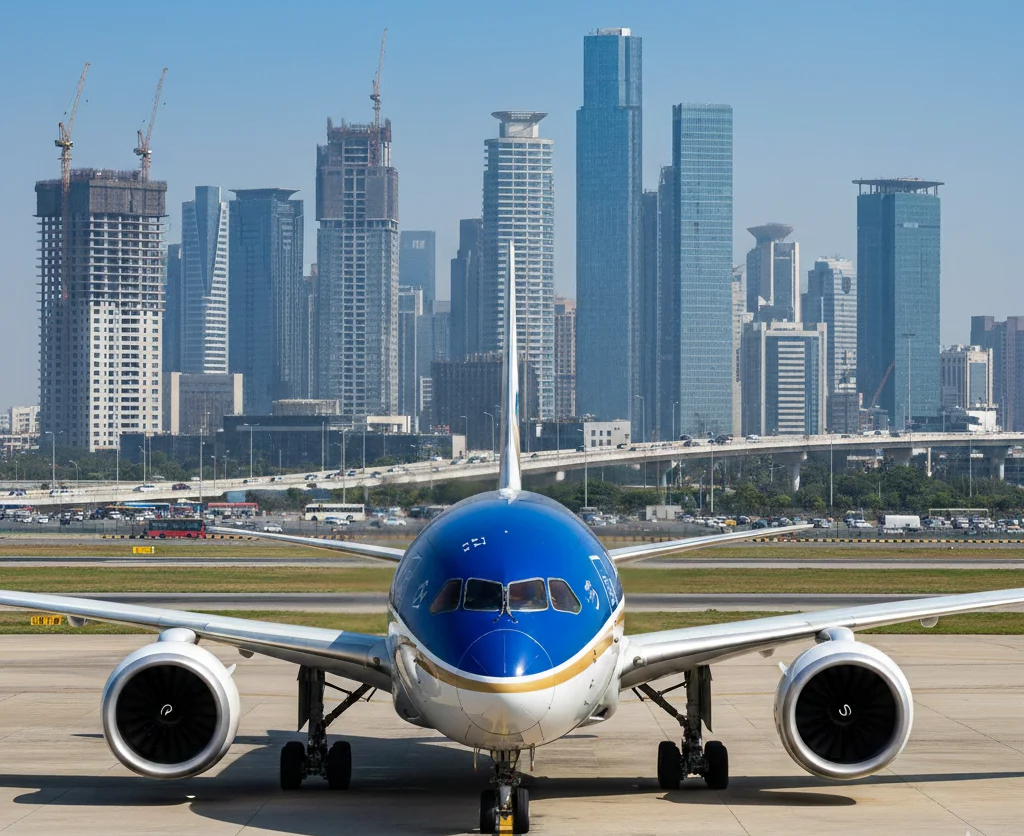
Union Civil Aviation Minister K Ram Mohan Naidu announced on February 13, 2026, that the government is undertaking a multi-city study, with assistance from the International Civil Aviation Organization (ICAO), to address building height restrictions near airports. The goal is to allow cities to grow vertically without compromising aviation safety.
“Airports are not just transit hubs; they are engines of urban development and economic activity,” said Naidu at the National Urban and Real Estate Development Conclave 2026 in Delhi.
The Challenge of Height Restrictions in Metro Cities
India’s civil aviation sector has been expanding at a rapid pace. With 165 operational airports and a new airport or terminal opening roughly every 33 days, cities are facing the challenge of balancing aviation safety with urban growth.
Metro cities like Mumbai, Hyderabad, Kolkata, and Chennai have strict building height curbs near airports. These limits often restrict high-rise residential and commercial projects, preventing cities from utilizing their full vertical potential. Minister Naidu emphasized that revisiting these restrictions is critical to enabling sustainable city growth.
Currently, height curbs limit development in prime urban zones, but with proper technology and regulations, cities can thrive safely while respecting aviation protocols.
Multi-City Study in Collaboration with ICAO
The government has partnered with ICAO to conduct a nationwide study across existing and upcoming cities. Teams are visiting multiple locations to examine aviation operations, local geography, and emerging technologies.
This study aims to identify solutions that balance urban development and aviation safety. Once completed, a comprehensive report will guide policy decisions and technological interventions, helping urban areas grow vertically without compromising safe air travel.
Airports as Catalysts for Real Estate Growth
Minister Naidu highlighted that airports act as scaffolding for real estate development. They don’t just facilitate travel they drive massive residential, commercial, and logistics expansion.
For instance, the Navi Mumbai International Airport is expected to catalyze nearly 25 million square meters of development in its surrounding area. Similarly, the Noida International Airport has already triggered an 8-10 times surge in real estate activity, even before becoming operational.
Airports influence multiple sectors: real estate, tourism, trade, commerce, healthcare, and education. Their presence can transform the economic landscape of entire cities and regions.
Quality of Life Over Square Footage
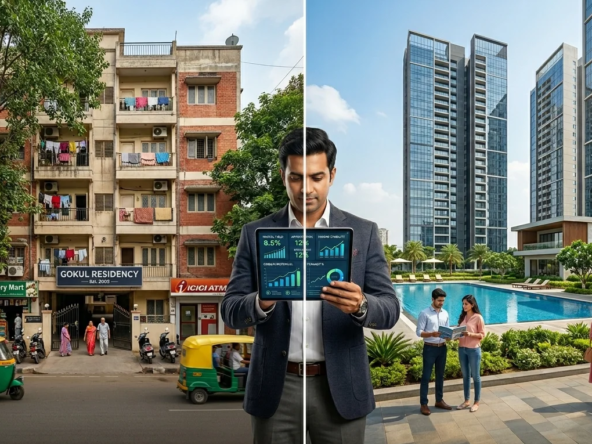
Naidu stressed that modern homebuyers are prioritizing quality of living over square footage. Air quality, environmental design, and community amenities now define luxury more than imported marble or interiors.
When we focus solely on standards, we create assets. When we focus on quality, we create well-being,” he said. “Viksit Bharat must focus on well-being at scale.
Urban planning near airports must consider open spaces, environmental quality, and lifestyle infrastructure to create sustainable communities. This approach ensures that city growth enhances living standards while remaining safe.
Exploring Technological Solutions
The ongoing study also aims to explore advanced technologies that allow taller structures near airports without affecting safety. Some potential solutions include:
- Enhanced radar and navigation systems
- Obstacle detection and collision avoidance technology
- Smart zoning and digital height mapping
- Simulation-driven airspace management
Implementing these technologies can allow vertical development in airport zones, unlocking new opportunities for developers and investors while maintaining safety standards.
Economic Impact of Rationalizing Height Curbs
Rationalizing building height restrictions near airports can have wide-ranging economic benefits:
- Boost Real Estate Value – Unlocks premium property potential in airport-adjacent zones.
- Increase Housing Supply – Allows vertical construction to meet urban demand.
- Attract Investment – Encourages domestic and foreign investment in urban areas.
- Generate Employment – Construction, logistics, and allied industries benefit.
By integrating urban growth with aviation safety, cities can expand efficiently while maintaining safe airspace for millions of passengers.
Vision for the Future
Minister Naidu emphasized that airport-adjacent urban development should integrate well-being and quality of life. Smart height management and technological solutions can transform city skylines while enhancing residents’ lifestyle.
“Airports are dynamic engines for economic activity. If we get this right, India will see not only urban expansion but elevated living standards, sustainable growth, and improved well-being for citizens,” he added.
Expert Advice: Sanjeev Singh, MD SKJ Landbase
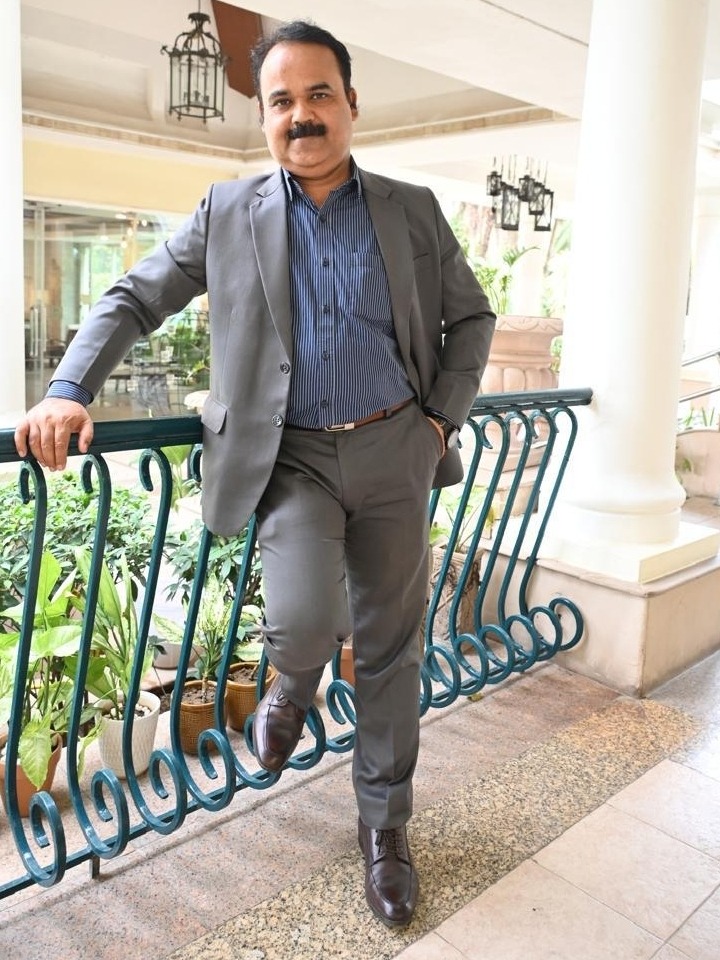
Sanjeev Singh, MD of SKJ Landbase, shared his insights:
Aligning urban planning with airport safety is crucial. Modern technology and thoughtful regulations can unlock significant real estate potential near airports. Developers will gain confidence to innovate, cities can grow vertically, and residents benefit from a higher quality of life.”
Conclusion
India’s collaboration with ICAO to study building height restrictions near airports marks a strategic step toward smarter urban growth. By combining technology, regulatory reforms, and a focus on quality of living, metros can expand vertically without compromising aviation safety. The future promises a skyline that is taller, smarter, and more sustainable enhancing both the economy and residents’ well-being.