A Powerful Start to Change
Urban India often faces one recurring problem illegal dumping. However, residents of Arun Vihar in Sector 37 Noida decided to rewrite that story. Instead of complaining, they took action. As a result, a neglected dumping ground has now transformed into a thriving green belt.
Initially, the area was filled with construction and demolition waste. Garbage piles created an unhealthy environment. Moreover, the space had become an eyesore for nearby residents. Still, rather than waiting for authorities to act, the community came together with a clear goal to reclaim their surroundings.
One Month of Relentless Effort
Transformation does not happen overnight. Therefore, residents dedicated an entire month to cleaning the site. They worked consistently and removed nearly 14 -15 truckloads of debris. In addition, they cleared around 24,000 square feet of land.
This effort required planning, coordination, and physical work. Yet, the residents stayed committed throughout the process. At the same time, they collaborated with the Noida Authority and the Floriculture Society of Noida. This partnership made the cleanup faster and more structured.
Consequently, the area began to change. What once looked like a dumping yard slowly started turning into a clean and open space. This visible progress motivated even more residents to join the initiative.
Plantation Drive Brings New Life
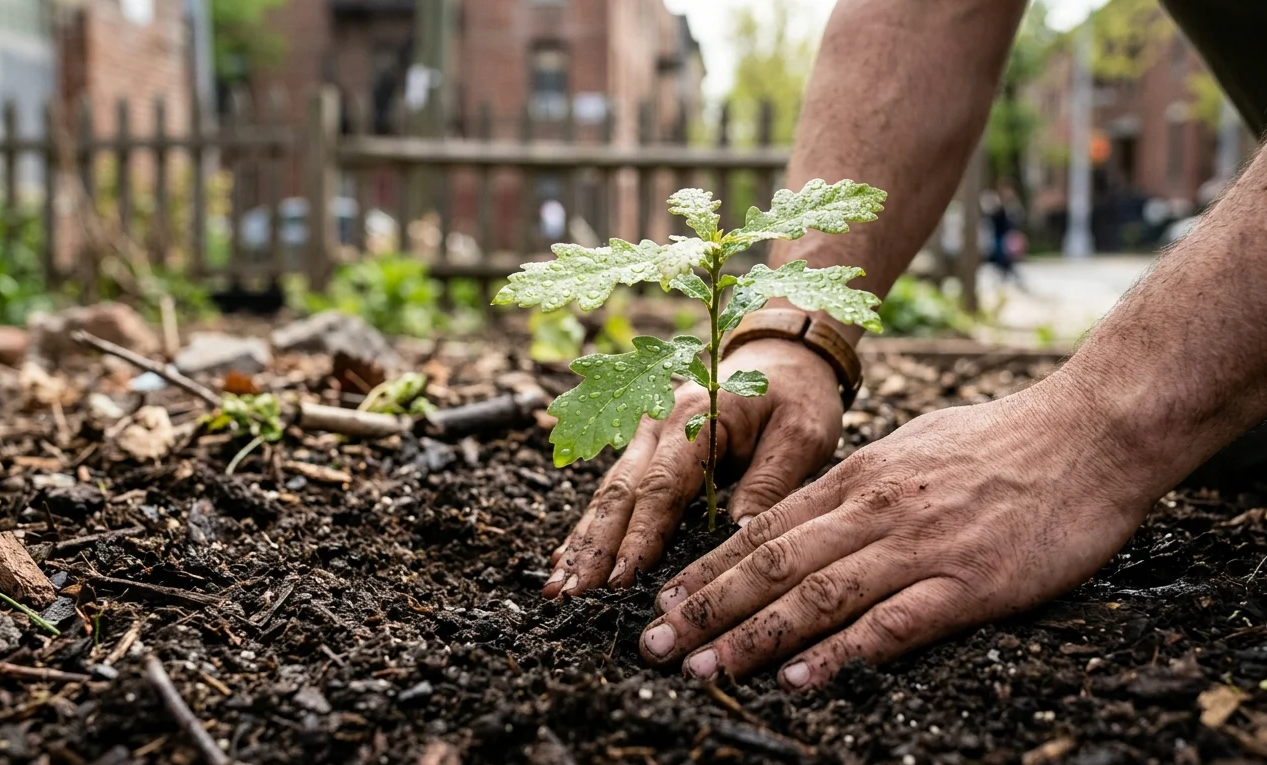
After clearing the waste, the next step focused on restoration. Therefore, the Arun Vihar Residents Welfare Association (AVRWA) organized a plantation drive. They aligned this activity with Earth Day celebrations, making the initiative even more meaningful.
Residents actively planted saplings across the reclaimed land. Importantly, they did not treat it as a symbolic gesture. Instead, they committed to nurturing the plants over time. This approach ensures long-term sustainability.
Col. Prashant Gupta, Chairman of AVRWA, emphasized that this transformation came from action, not just discussion. His leadership encouraged residents to stay involved. As a result, the plantation drive became a strong example of community unity.
Collaboration That Made It Possible
No initiative succeeds in isolation. Similarly, this project thrived because of collaboration. The Noida Authority supported the drive by providing plants. Meanwhile, the Floriculture Society of Noida guided the plantation process.
Additionally, residents themselves took ownership of the space. Preeti Singh, a long-time resident, highlighted an important point. She stated that while authorities hold responsibility, citizens must also contribute. This mindset played a key role in the project’s success.
Therefore, this initiative stands as proof that when communities and authorities work together, results become impactful and sustainable.
Environmental Benefits That Matter
The transformation has already started delivering benefits. First, the green belt improves air quality in the area. Trees help absorb pollutants and release oxygen. As a result, residents now enjoy a healthier environment.
Second, the green space helps reduce urban heat. Plants naturally cool the surroundings. Consequently, the area becomes more comfortable, especially during summer months.
Third, the initiative supports biodiversity. Over time, birds and small animals will return to the area. This will create a balanced ecosystem.
Finally, the space now offers a peaceful environment for residents. People can walk, relax, and spend time outdoors. This improves both physical and mental well-being.
A Model for Urban India
This success story offers a clear lesson for other cities. Many urban areas struggle with waste management. However, this example proves that change is possible with collective effort.
If more Resident Welfare Associations take similar steps, cities across India can improve rapidly. Moreover, such initiatives build a sense of ownership among residents. People start caring more about their surroundings.
In addition, these projects reduce the burden on municipal bodies. When citizens actively participate, governance becomes more efficient. Therefore, this model can inspire large-scale urban transformation.
Expert Take: Real Estate Perspective
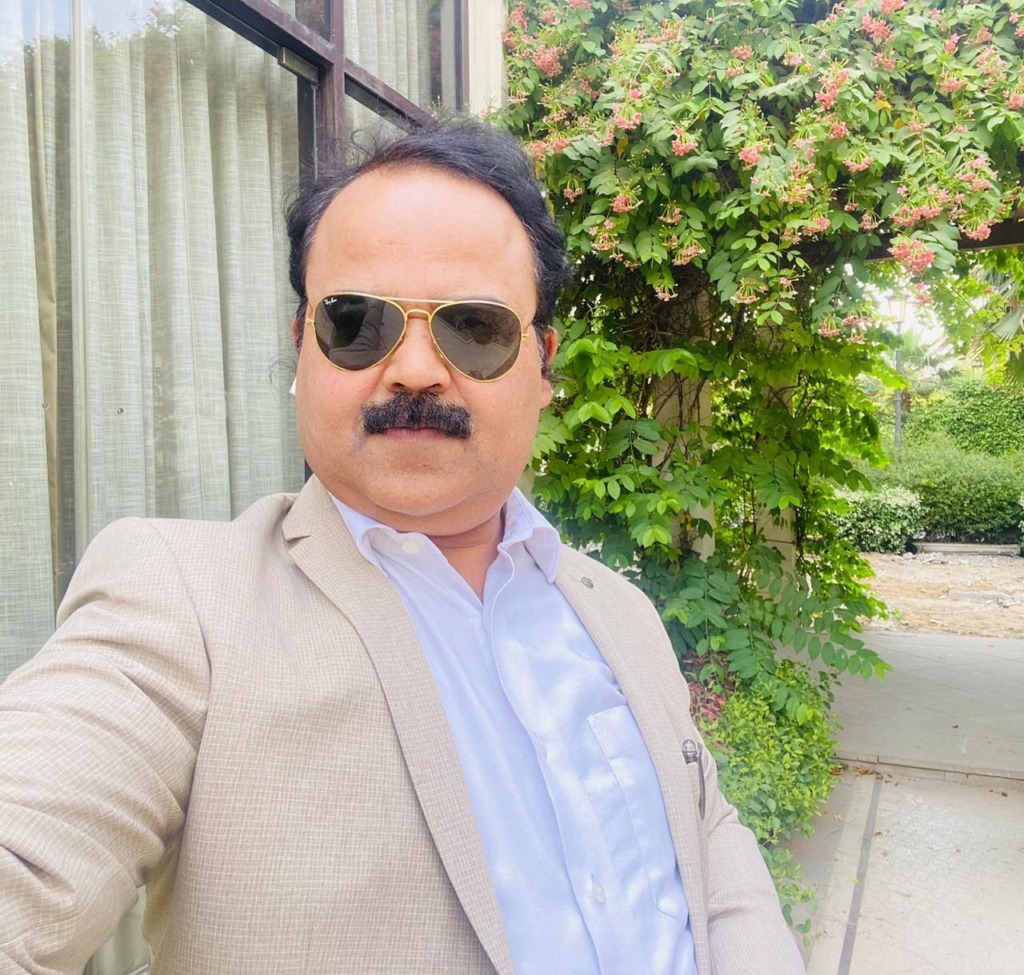
Sanjeev Singh, MD of SKJ Landbase, shared his insights on the initiative:
Community-driven green developments play a crucial role in shaping modern urban living. Such initiatives not only improve environmental conditions but also enhance the overall appeal and value of residential areas. Today’s homebuyers actively look for greener and healthier surroundings.
His statement highlights a growing trend. Buyers now prefer eco-friendly locations. Therefore, projects like this do not just improve living conditions they also boost real estate value.
The Road Ahead
While the transformation looks impressive, the journey does not end here. Maintenance will play a critical role. Residents must continue to care for the plants and keep the area clean.
Moreover, regular monitoring will prevent the return of illegal dumping. Community vigilance will ensure long-term success. Additionally, awareness campaigns can encourage more people to participate.
AVRWA plans to keep residents engaged through ongoing activities. This will strengthen the sense of responsibility. As a result, the green belt will remain protected.
Conclusion: Action Creates Impact
The story of Arun Vihar proves one important point change begins with action. Residents did not wait for perfect conditions. Instead, they created them through effort and unity.
From clearing tons of waste to planting new life, every step mattered. Today, the reclaimed green belt stands as a symbol of what communities can achieve together.
Ultimately, this initiative sends a strong message. Every neighborhood has the power to transform. All it needs is determination, collaboration, and a willingness to act.