Supreme Court Clarifies RWA Role in Developer Insolvency Cases
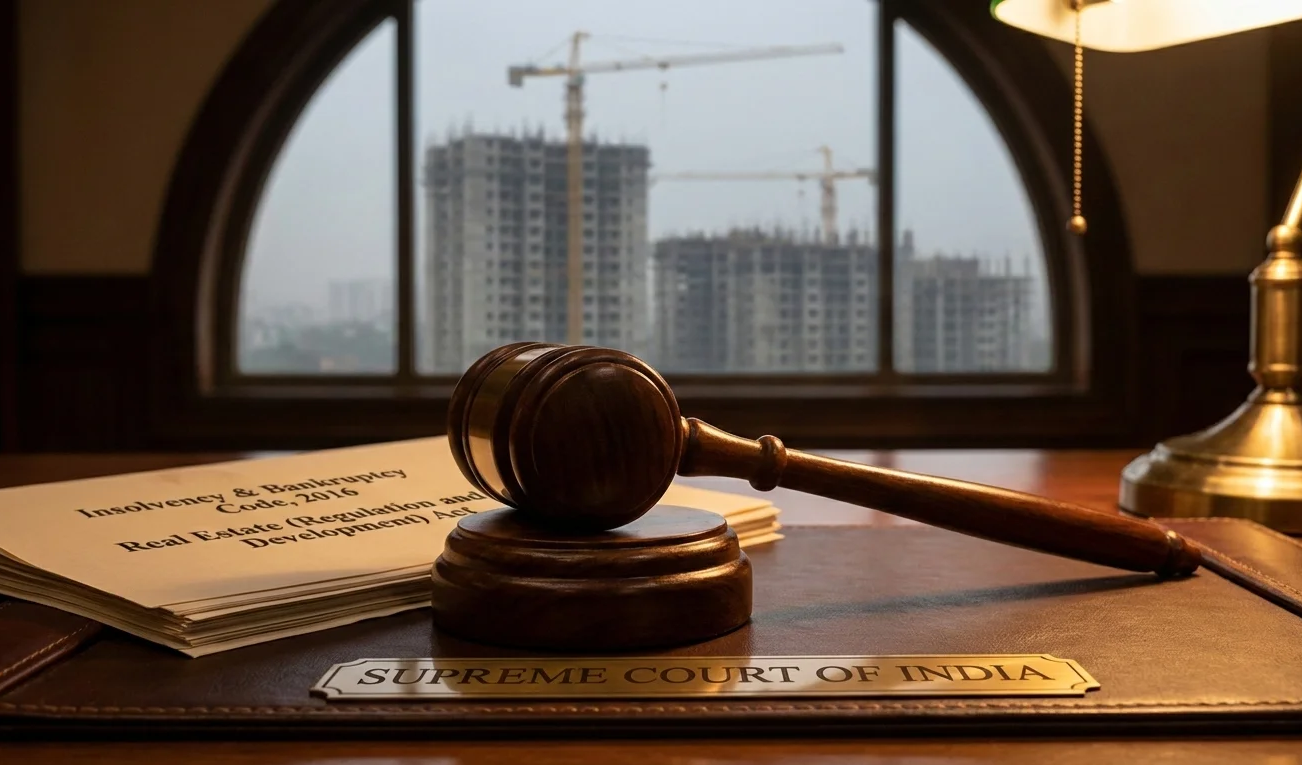
India’s real estate sector has always been complex. Homebuyers face uncertainty when a developer struggles financially. Often, Resident Welfare Associations (RWAs) or maintenance societies try to step in to protect collective interests. But on January 15, 2026, the Supreme Court delivered a landmark ruling that clearly defines their role. The verdict ensures insolvency proceedings under the Insolvency and Bankruptcy Code (IBC) remain structured, efficient, and fair.
This decision reassures genuine homebuyers while keeping the process focused on revival rather than delay. It also prevents misuse by parties with no statutory standing. Understanding this judgment is essential for homebuyers, RWAs, and the real estate industry.
Key Highlights of the Supreme Court Judgment
The Supreme Court ruled that homebuyers’ societies or RWAs cannot intervene in insolvency proceedings against a developer company.
The judgment arose from the case of Takshashila Heights India Pvt Ltd. Elegna Co-operative Housing and Commercial Society, representing a group of homebuyers, had sought intervention in the company’s insolvency process. The National Company Law Appellate Tribunal (NCLAT) had rejected this request. The Supreme Court upheld that rejection, stating that RWAs lack legal standing under the IBC.
The Court emphasized that only financial creditors, as defined by the IBC, have participatory rights in Corporate Insolvency Resolution Process (CIRP). This ensures the proceedings remain focused on reviving the corporate debtor, not on addressing collective grievances outside the statutory framework.
Why RWAs Cannot Claim Financial Creditor Status
The IBC clearly defines who can participate in insolvency proceedings. A financial creditor must have direct financial involvement with the corporate debtor. Individual homebuyers qualify because they have paid money to the developer.
However, RWAs or maintenance societies do not automatically have this status. The Court explained:
- A housing society is a separate legal entity from its members.
- Unless the society itself advanced funds, signed allotment agreements, or received allotments, it cannot act as a creditor.
- Associative or representative interest does not replace statutory entitlement.
Thus, societies or RWAs cannot initiate or participate in insolvency proceedings unless the law explicitly authorizes them. This distinction prevents unauthorized parties from interfering with legal processes.
Protection for Individual Homebuyers
The Supreme Court made it clear that individual homebuyers remain fully protected. They can:
- File joint insolvency petitions under Section 7 of the IBC.
- Participate in the Committee of Creditors after CIRP admission.
- Appoint an authorized representative to act on their collective behalf.
By following these statutory provisions, homebuyers can safeguard their interests effectively. This structured approach ensures accountability and prevents delays caused by informal representation.
Risks of Allowing RWA Intervention
The Court highlighted the risks if RWAs gained intervention rights:
- Insolvency proceedings could face unnecessary delays.
- Developers might exploit procedural loopholes to stall resolution.
- Collective representation could turn into obstruction instead of constructive engagement.
The judgment referenced the Pioneer Urban Land (2019) verdict, which warned against using the IBC as a tool for recovery rather than revival. The Supreme Court emphasized that efficiency and speed in insolvency proceedings are paramount.
Focus Must Remain on Project Completion
Insolvency is not just about recovery. Its ultimate goal is reviving the corporate debtor and completing ongoing projects.
The Supreme Court noted that creditors must act with a genuine intention to revive the developer. If revival is not feasible, alternative legal remedies like SARFAESI or civil recovery actions exist.
This approach ensures that homebuyers do not suffer due to procedural delays while the developer’s insolvency is resolved. It encourages all parties to work collaboratively toward project completion.
Expert Insight: Sanjeev Singh, MD – SKJ Landbase
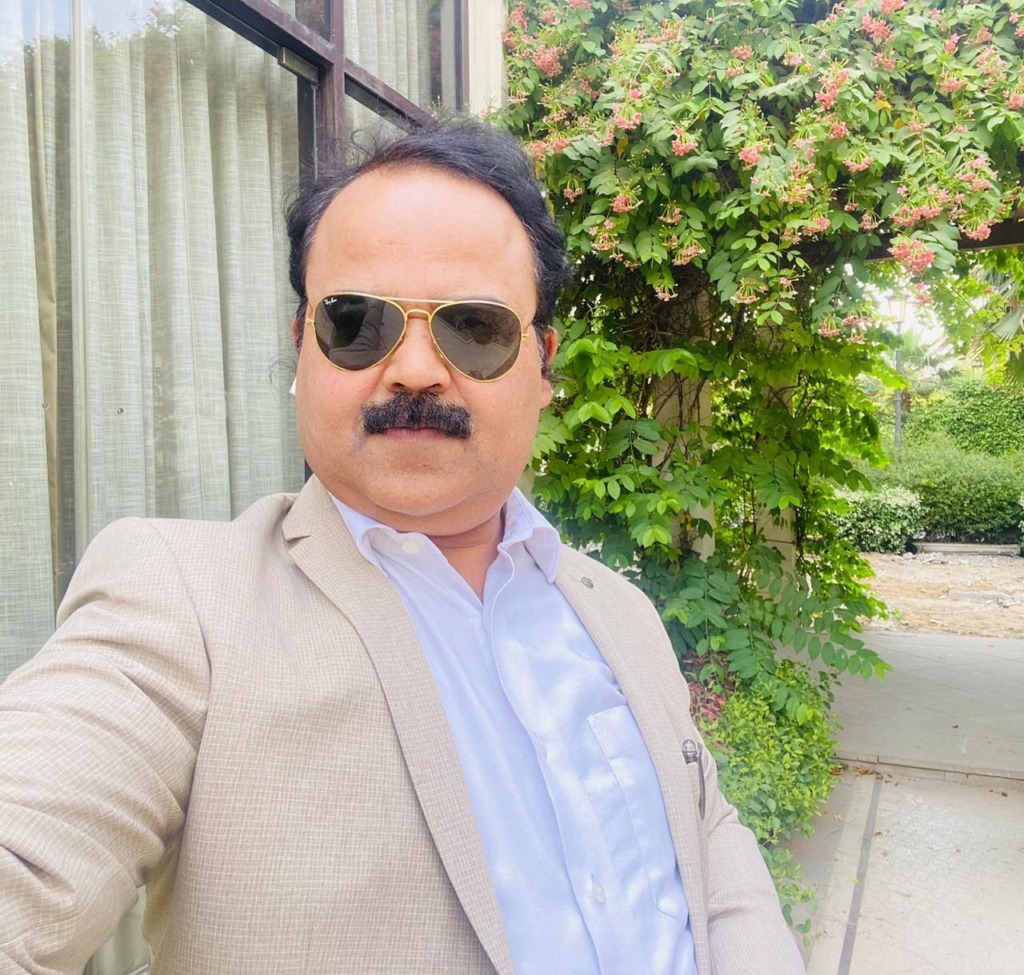
Industry experts welcome the verdict. Sanjeev Singh, Managing Director of SKJ Landbase, said:
This verdict brings long-awaited clarity. Insolvency proceedings must remain structured and time-bound. RWAs play a vital role in maintenance and community welfare, but insolvency requires financial accountability. The Supreme Court has protected genuine homebuyers by ensuring faster resolutions and preventing procedural misuse.
His statement underscores the importance of clear legal boundaries. It also highlights how the ruling strengthens market confidence and safeguards homebuyer interests.
Implications for Homebuyers and RWAs
This judgment reshapes expectations for both homebuyers and RWAs:
- Homebuyers must understand their rights under the IBC and participate through authorized channels.
- RWAs should focus on maintenance and community management rather than insolvency representation.
- Legal clarity prevents misunderstandings and reduces disputes.
Each entity now has a defined role, creating efficiency and trust in the real estate ecosystem.
Final Takeaways
The Supreme Court ruling brings several key lessons:
- RWAs cannot intervene in developer insolvency proceedings unless explicitly recognized by law.
- Individual homebuyers retain full protection under the IBC.
- Insolvency proceedings must prioritize revival and project completion over recovery alone.
- Clear rules enhance transparency, prevent procedural abuse, and protect all stakeholders.
The judgment not only safeguards the interests of homebuyers but also strengthens India’s real estate market. By maintaining focus, structure, and statutory compliance, the insolvency process can achieve its intended purpose revival of the developer and completion of pending projects.
For homebuyers, the message is clear: know your rights, act within the law, and engage constructively with authorized channels. For RWAs, the path forward is equally clearfocus on maintenance, community welfare, and support homebuyers in legally recognized ways.