Shared Buggies Turning ‘Personal Cabs’: A Growing Concern in Gated Societies
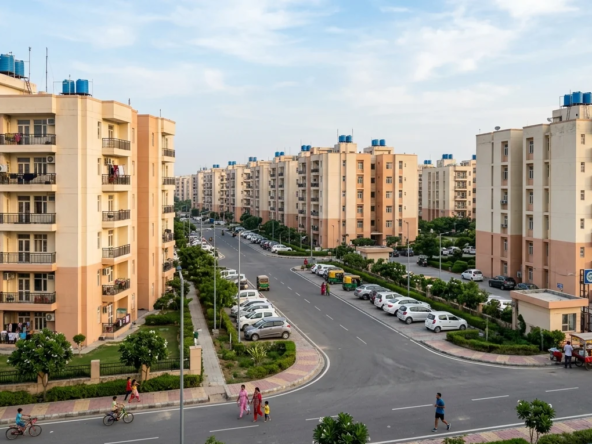
Modern gated communities promise comfort, convenience, and a premium lifestyle. However, a new issue has started creating friction among residents. Shared amenities like buggies, once introduced for easy internal movement, now often operate like personal cab services.
This shift has triggered debates across housing societies in cities like Bengaluru and Mumbai. Residents now question fairness, accessibility, and the true purpose of shared amenities.
Clearly, this issue goes beyond just transportation. It reflects how community living functions in today’s urban India.
Why Shared Buggies Were Introduced
Initially, developers introduced buggy services to solve a practical challenge. Large residential complexes cover vast areas. Walking from one tower to the main gate can take time and effort.
Therefore, buggies offered a quick and comfortable solution. Elderly residents, children, and people carrying groceries benefited the most. Moreover, these services enhanced the overall living experience. They added a layer of convenience that modern buyers expect.
However, as societies evolved, usage patterns also changed. Gradually, the purpose of these services started shifting.
When Convenience Turns Into Misuse
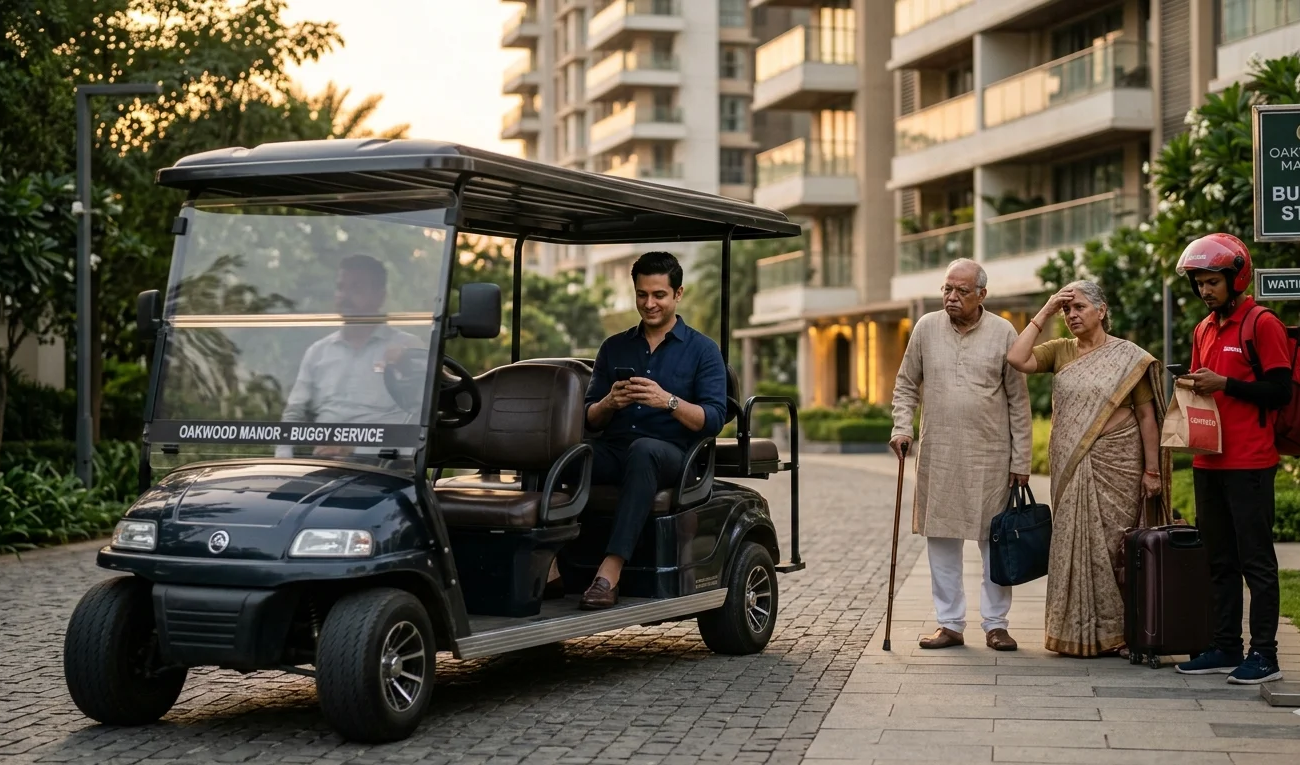
Now comes the real concern. Many residents no longer treat these buggies as shared facilities. Instead, they use them for personal convenience.
For example, some residents book rides for extremely short distances. Others call the buggy repeatedly throughout the day. In some cases, people even schedule pickups like a private taxi.
As a result, availability drops for others. Elderly residents often wait longer than expected. Some residents feel forced to walk despite paying for the service.
This behavior creates frustration. It also disrupts the balance that shared amenities require.
Rising Costs and Growing Concerns
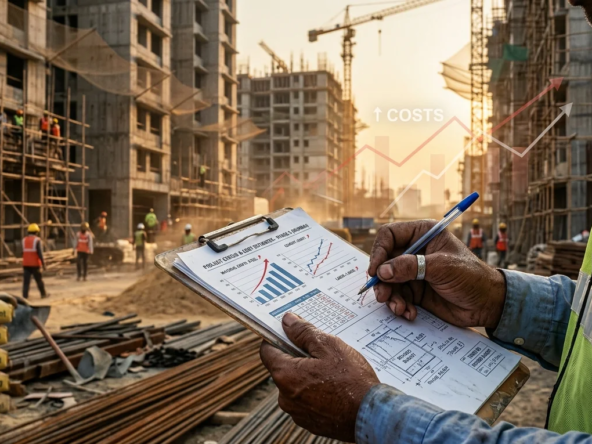
Misuse does not just affect convenience. It also increases costs. Frequent usage leads to faster wear and tear. Maintenance expenses rise. Societies then plan upgrades or replacements.
Eventually, every resident pays for these costs through maintenance charges. Even those who rarely use the service feel the financial impact.
This situation sparks a common debate. Should residents pay for amenities they do not use?
Some argue against such expenses. They prefer minimal facilities and lower costs. On the other hand, many residents believe that shared amenities define the lifestyle of gated communities.
Thus, the debate continues without a clear consensus.
The Challenge of Fair Access
Fairness remains the biggest issue in this situation. Ideally, every resident should enjoy equal access to shared facilities.
However, reality often tells a different story. A small group of residents tends to dominate usage. Consequently, others feel ignored or excluded.
This imbalance creates tension. Small inconveniences turn into larger conflicts. Over time, it affects the overall harmony of the society.
Therefore, societies must prioritize fair usage. Without fairness, even the best amenities lose their purpose.
Why Rules Exist but Fail
Interestingly, many societies already have guidelines. Some restrict buggy usage to elderly residents or those with medical needs. Others define routes and timings.
However, enforcement often remains weak. Committees struggle to monitor usage consistently. Residents ignore rules without facing consequences.
As a result, misuse continues unchecked. Rules exist, but they fail to create real impact.
Therefore, strong implementation becomes essential. Without accountability, policies cannot succeed.
Practical Solutions for Better Management
Now let’s focus on solutions. Societies do not need to remove buggy services entirely. Instead, they can improve how they manage them.
First, they should introduce clear and strict usage policies. Everyone must understand who gets priority. Next, societies can implement a booking system. This step ensures fair access and reduces misuse. Additionally, priority should go to elderly residents and people with genuine needs. This approach aligns with the original purpose of the service. Moreover, societies can install tracking systems. Monitoring usage improves transparency and accountability.
Another effective step involves creating separate transport arrangements for staff. This reduces unnecessary pressure on resident services.
Together, these measures can restore balance and efficiency.
The Role of RWAs in Resolving Conflicts
Every gated society functions as a community. Therefore, collective decision-making plays a crucial role.
Residents should raise concerns during meetings. They should present structured solutions instead of complaints. A strong Resident Welfare Association (RWA) must take responsibility. It should enforce rules strictly and fairly.
Voting on policies can also help. It ensures transparency and gives every resident a voice.
When communities work together, solutions become easier and more effective.
Expert Perspective on Responsible Living

According to Sanjeev Singh MD SKJ Landbase,
Shared amenities reflect the quality of community living. However, their success depends on responsible usage by residents. Without discipline, even the best facilities can create conflict instead of comfort.”
This insight highlights a key point. Infrastructure alone cannot guarantee a good lifestyle. Responsible behavior completes the equation.
Conclusion: Balance Convenience with Responsibility
Shared buggy misuse highlights a larger issue in modern urban living. People expect convenience, but they often overlook responsibility.
Gated communities thrive on mutual respect and cooperation. Every resident must think beyond personal comfort. With better rules, stronger enforcement, and active participation, societies can solve this issue quickly.
Ultimately, shared amenities should bring residents together. They should not become a source of conflict.