Metro Demand Grows Along Gurugram’s Dwarka Expressway: A Connectivity Imperative
Gurugram stands at a turning point. The city continues to expand outward, especially along the Dwarka Expressway. Residential towers rise rapidly. Commercial developments follow closely behind. Daily commuting patterns evolve every year. Amid this fast-paced growth, one demand has become louder and more urgent metro connectivity along the Dwarka Expressway.
Residents no longer see metro access as a luxury. They see it as a necessity. With traffic congestion increasing daily, road-based infrastructure alone cannot support the corridor’s future. A metro line now represents the backbone of sustainable urban mobility in this zone.
Why Connectivity Along Dwarka Expressway Is Crucial
The Dwarka Expressway spans nearly 29 kilometers and links Delhi directly with Gurugram. Over the past decade, it has transformed into one of NCR’s most promising growth corridors. New sectors now host premium housing, plotted developments, and office spaces.
However, public transport has not kept pace with development. Commuters rely heavily on private vehicles. As a result, peak-hour traffic continues to worsen. Travel times stretch longer every month. Fuel expenses rise steadily.
Moreover, buses operate irregularly and remain overcrowded. Many residents travel several kilometers just to reach the nearest metro station. This gap adds stress, cost, and uncertainty to daily routines. A direct metro corridor along the expressway would solve these challenges at scale.
Urban planners also highlight another concern. Without mass transit, traffic pressure will spill over to NH-48 and internal city roads. Over time, this could reduce the expressway’s efficiency itself.
Metro Plans and Proposed Route: Bridging Old and New Gurugram
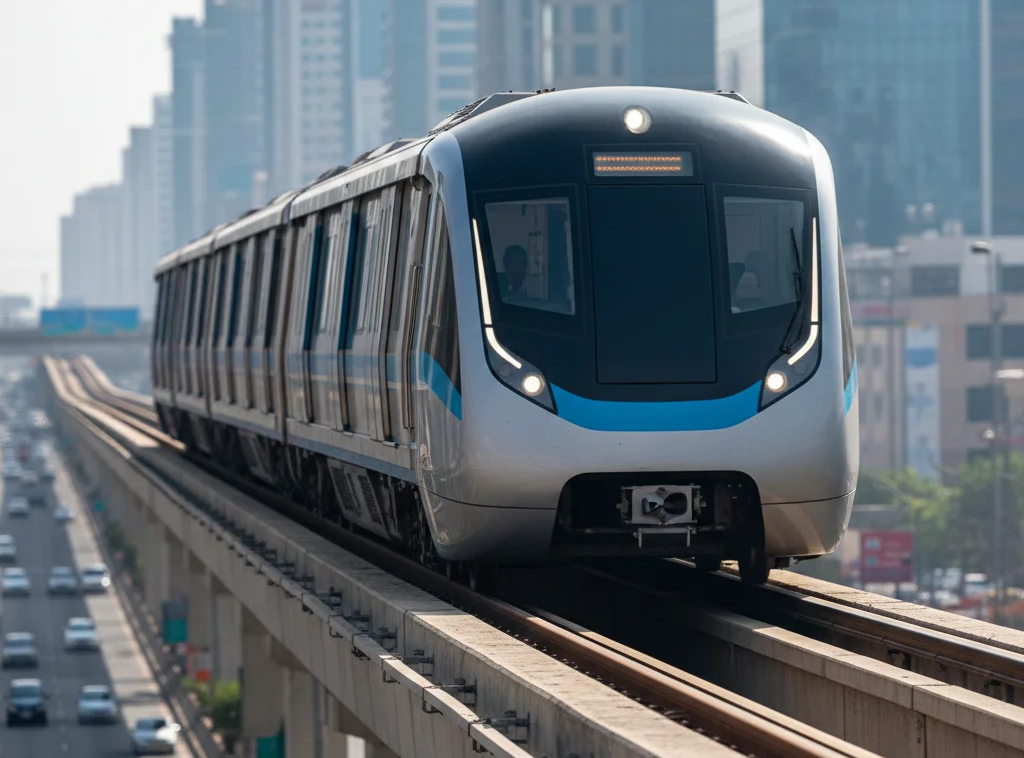
To address these challenges, authorities have proposed a major expansion under the Gurugram Metro project. The planned corridor will run from Millennium City Centre to Cyber City. It will cover approximately 28.5 kilometers.
The plan includes 27 stations, strategically placed across residential and commercial zones. Importantly, planners have proposed a spur toward the Dwarka Expressway. This extension aims to connect newer sectors with Gurugram’s established employment hubs.
Once operational, the corridor will integrate seamlessly with existing Delhi Metro routes. It will reduce dependency on private vehicles. It will also improve last-mile connectivity for thousands of daily commuters.
Proposed Project at a Glance
- Total Length: 28.5 km
- Number of Stations: 27
- Main Route: Millennium City Centre to Cyber City
- Dwarka Expressway Extension: Proposed spur
- Implementing Agency: Gurugram Metro Rail Limited (GMRL)
This project has the potential to reshape how Gurugram moves.
Residents Push for Faster Execution and Clear Planning
While plans exist on paper, residents want faster execution. Multiple resident welfare associations along the expressway have submitted formal representations. They seek clear timelines, station locations, and construction schedules.
Currently, most households depend on private cars or cabs. This dependency increases monthly expenses and worsens congestion. Experts warn that delays could dilute the expressway’s long-term benefits.
Additionally, residents emphasize the need for feeder infrastructure. Pedestrian pathways, feeder buses, and parking facilities near stations will determine the metro’s success. Without these elements, usage may remain limited.
Real Estate Impact of Metro Demand Along Dwarka Expressway
The connectivity expectations have already influenced real estate sentiment. Property consultants report consistent enquiries from end-users and investors alike. Buyers increasingly prioritize areas with future transport access.
Sectors 81 and 82 attract homebuyers seeking modern housing and improved connectivity. Meanwhile, Sector 103 and Sector 109 gain traction due to proximity to Delhi and proposed transit routes.
Residential plots in Sector 108 and Sector 113 also see rising interest from long-term investors. Historically, metro access supports price stability and gradual appreciation. As a result, buyers now factor future connectivity into every decision.
Expert advice

Sanjeev Singh, Managing Director of SKJ Landbase, sums up this shift clearly:
“Infrastructure-led development shapes buyer confidence today. Metro connectivity along the Dwarka Expressway will improve daily commuting and strengthen long-term real estate value across the corridor.”
His statement reflects broader market sentiment.
How Metro Connectivity Can Transform Daily Commutes
A metro line along the Dwarka Expressway would significantly cut travel time. Office professionals would benefit from predictable schedules. Students and service workers would gain safer and more affordable mobility.
Reduced road traffic would also improve air quality. Fewer vehicles mean lower emissions. Over time, this would enhance overall livability in surrounding sectors.
Metro stations often become economic anchors. Retail outlets, offices, and services cluster around them. This creates employment opportunities and strengthens local infrastructure organically.
Conclusion: Metro Demand Signals Gurugram’s Next Phase
The rising demand for a metro line along the Dwarka Expressway reflects Gurugram’s evolving mobility needs. Residential and commercial development continues at a rapid pace. Roads alone cannot support this growth sustainably.
A dedicated corridor would ease congestion, improve connectivity, and support long-term urban planning. Real estate activity already mirrors this expectation. However, timely approvals and execution remain critical.
For residents, professionals, and investors, the message remains clear metro connectivity along the Dwarka Expressway is no longer optional. It is essential for Gurugram’s future.