India’s Warehousing Sector Enters a High-Growth Phase
India’s industrial and warehousing sector has stepped into a powerful growth cycle. In 2025, total stock crossed 549 million sq ft. This marks a strong 13% rise from 486 million sq ft in 2024. Clearly, the sector continues to expand at a rapid pace.
Moreover, this growth reflects a deeper economic shift. Businesses now focus heavily on supply chain efficiency. At the same time, consumer demand continues to rise across urban and semi-urban markets. As a result, companies actively invest in large-scale warehousing spaces.
Additionally, the rise of e-commerce and quick commerce has transformed logistics needs. Faster deliveries require better storage and distribution networks. Therefore, modern warehouses have become essential for business growth.
Mumbai Dominates the Warehousing Landscape
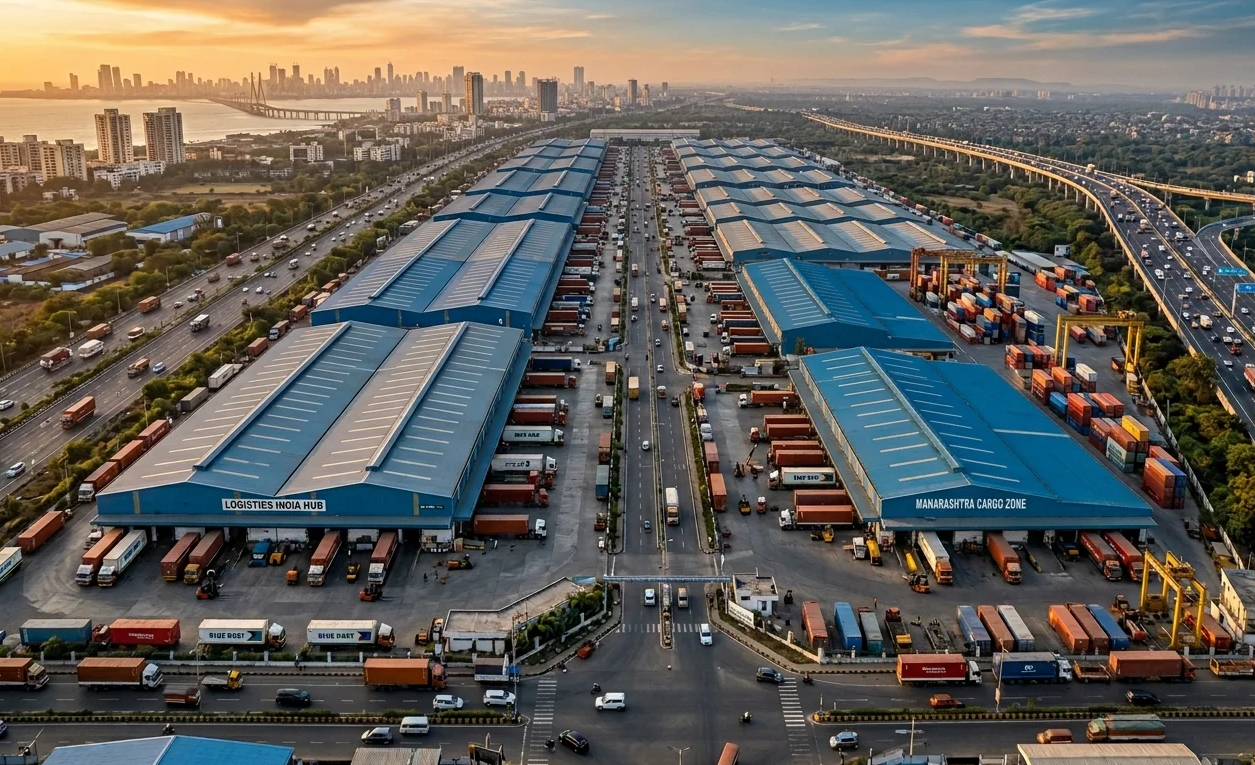
Without any surprise, Mumbai leads India’s warehousing market. The city alone accounts for around 170 million sq ft. This equals nearly 31% of the total stock.
Several factors support this dominance. First, Mumbai offers a massive consumption base. Second, it connects seamlessly to ports, which boosts trade activities. Furthermore, the city has well-developed infrastructure. Locations like Bhiwandi and Panvel play a crucial role. These hubs attract major logistics players and large corporations. Consequently, industries such as FMCG, retail, manufacturing, and third-party logistics continue to expand here.
As demand keeps rising, Mumbai strengthens its position as India’s logistics capital.
NCR Strengthens Its Position as a Key Hub
At the same time, National Capital Region (NCR) holds the second spot with 115 million sq ft of warehousing stock. The region contributes about 21% of the total.
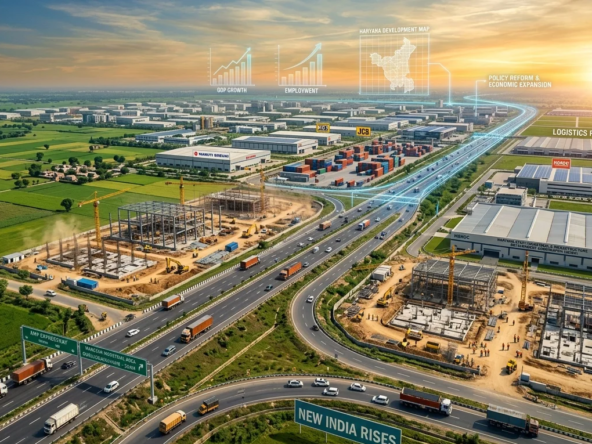
Interestingly, NCR’s growth story stands equally strong. The region benefits from excellent connectivity across North India. It also lies close to major manufacturing zones. Cities like Gurugram, Noida, and Ghaziabad continue to attract warehousing investments. These areas offer access to highways, industrial corridors, and a large consumer base.
Therefore, companies choose NCR as a strategic distribution hub. It helps them serve multiple states efficiently.
Emerging Cities Drive Balanced Growth
While Mumbai and NCR dominate, other cities also show strong momentum. This balanced growth highlights the sector’s nationwide expansion.
For example, Bengaluru witnessed a sharp rise from 48 to 60 million sq ft. The city benefits from tech-driven demand and e-commerce expansion. Similarly, Pune grew significantly to 44 million sq ft from 33 million sq ft. Its industrial base and proximity to Mumbai fuel this growth. Meanwhile, Chennai reached 47 million sq ft. Ahmedabad also expanded to 45 million sq ft due to manufacturing growth.
In addition, Kolkata and Hyderabad continue to grow steadily. These cities strengthen regional supply chains and create new opportunities.
Strong Future Supply Ensures Continued Expansion
Interestingly, the sector still holds massive growth potential. The top eight cities together have around 256 million sq ft of additional warehousing capacity within existing parks.
This figure stands more than three times the annual transaction volume recorded in 2025. Therefore, developers have enough supply to meet rising demand.
As businesses expand operations, this capacity will gradually come into use. Consequently, the sector will maintain steady growth in the coming years.
Key Drivers Behind the Warehousing Boom
Several factors continue to fuel this rapid expansion:
- Growing e-commerce and quick commerce demand
- Rising need for faster delivery timelines
- Government push for infrastructure development
- Expansion of manufacturing under Make in India
- Increasing shift towards organized logistics
Moreover, companies now prefer Grade A warehouses. These facilities offer automation, better storage systems, and improved efficiency. As a result, demand for modern logistics parks keeps increasing.
Expert Insight

Sanjeev Singh, MD of SKJ Landbase, shares his view:
“India’s warehousing sector is evolving rapidly. Strong infrastructure development and rising consumption continue to drive demand. Mumbai and NCR lead today, but emerging cities will play a key role in future growth. Investors should focus on strategic locations near expressways and industrial corridors to unlock maximum value.”
Why Investors Should Pay Attention
This growth creates a major opportunity for real estate investors. Warehousing assets offer stable rental income and long-term leases.
Additionally, institutional investors are entering this space aggressively. They see logistics as a future-ready asset class with strong returns.
Furthermore, land near highways and freight corridors is witnessing rapid appreciation. Early investments in such locations can deliver significant gains over time.
The Road Ahead for India’s Logistics Sector
Looking ahead, India’s warehousing sector will continue to expand. Government initiatives like Gati Shakti and infrastructure upgrades will accelerate this momentum.
At the same time, technology will reshape the sector. Automation, AI, and smart warehouses will improve efficiency and reduce costs.
Therefore, the future of warehousing looks highly promising.
Final Thoughts
India’s warehousing stock reaching 549 million sq ft in 2025 highlights a strong growth story. The 13% increase shows rising demand and investor confidence.
While Mumbai and National Capital Region lead the market, other cities are catching up fast. This balanced expansion ensures long-term stability.
In conclusion, warehousing has become the backbone of India’s modern economy. The sector will continue to create opportunities for businesses, developers, and investors alike.