Haryana Affordable Housing Prices Surge: Gurugram Buyers Face New Reality in 2026
Affordable housing in Haryana is no longer as “affordable” as it used to be. In a significant move, the state government has increased flat prices under the Affordable Housing Policy-2013, impacting key cities like Gurugram, Faridabad, and Sohna.
The decision, approved in a cabinet meeting led by Chief Minister Nayab Singh Saini, comes at a time when real estate costs are already rising. While the government aims to support developers, buyers now face increased financial pressure.
Revised Prices: A Clear Upward Shift
The latest revision has pushed property prices up by nearly 10–12%, depending on the location.
Here’s how rates have changed:
- Gurugram: ₹5,000 ➝ ₹5,575 per sq. ft
- Faridabad: ₹5,000 ➝ ₹5,450 per sq. ft
- Sohna: ₹4,500 ➝ ₹5,450 per sq. ft
- High & Medium Potential Towns: ₹5,050 per sq. ft
- Low Potential Towns: ₹4,250 per sq. ft
Additionally, balcony rates have also increased from ₹1,200 to ₹1,300 per sq. ft, with a cap of ₹1.30 lakh.
Clearly, this revision directly impacts affordability, especially in high-demand urban pockets like Gurugram.
Who Will Actually Pay the Higher Price?
The policy outlines a structured approach, but not everyone will be affected equally.
- No Impact: Projects where allotments are already completed
- Partial Impact: Projects where applications are already invited buyers must pay the revised difference if selected
- Full Impact: Upcoming projects where allotments are yet to begin
This means future buyers and ongoing applicants will bear the burden of increased prices.
Why the Price Hike Was Inevitable
The government didn’t increase prices arbitrarily. Several economic factors forced this decision.
Key reasons include:
- Rising land acquisition costs
- Increasing prices of construction materials like steel and cement
- Higher labour wages
- Inflation across the real estate sector
Officials from the Department of Town and Country Planning Haryana confirmed that developers had been requesting a revision for quite some time. Without this change, many projects risked becoming financially unviable.
Supply Crunch Adds to the Problem
At the same time, supply of affordable housing has slowed down significantly, especially in Gurugram.
- Only 4–5 projects currently in the pipeline
- Around 5,000 flats expected across Gurugram, Sohna, and nearby areas
This limited supply, combined with strong demand, naturally leads to higher prices. Now, with revised rates, the affordability gap widens further.
Developers Still Not Fully Convinced
Interestingly, even after the hike, developers are not entirely satisfied.
Industry bodies like National Real Estate Development Council have expressed concerns:
- Land prices in cities like Gurugram remain extremely high
- Profit margins in affordable housing are still tight
- The current price revision may not fully offset rising costs
Many developers believe that while the hike may help projects in smaller towns, it still falls short in premium urban markets.
Buyers Under Pressure: Affordability Questioned
For homebuyers, the situation has become more challenging.
Let’s break it down:
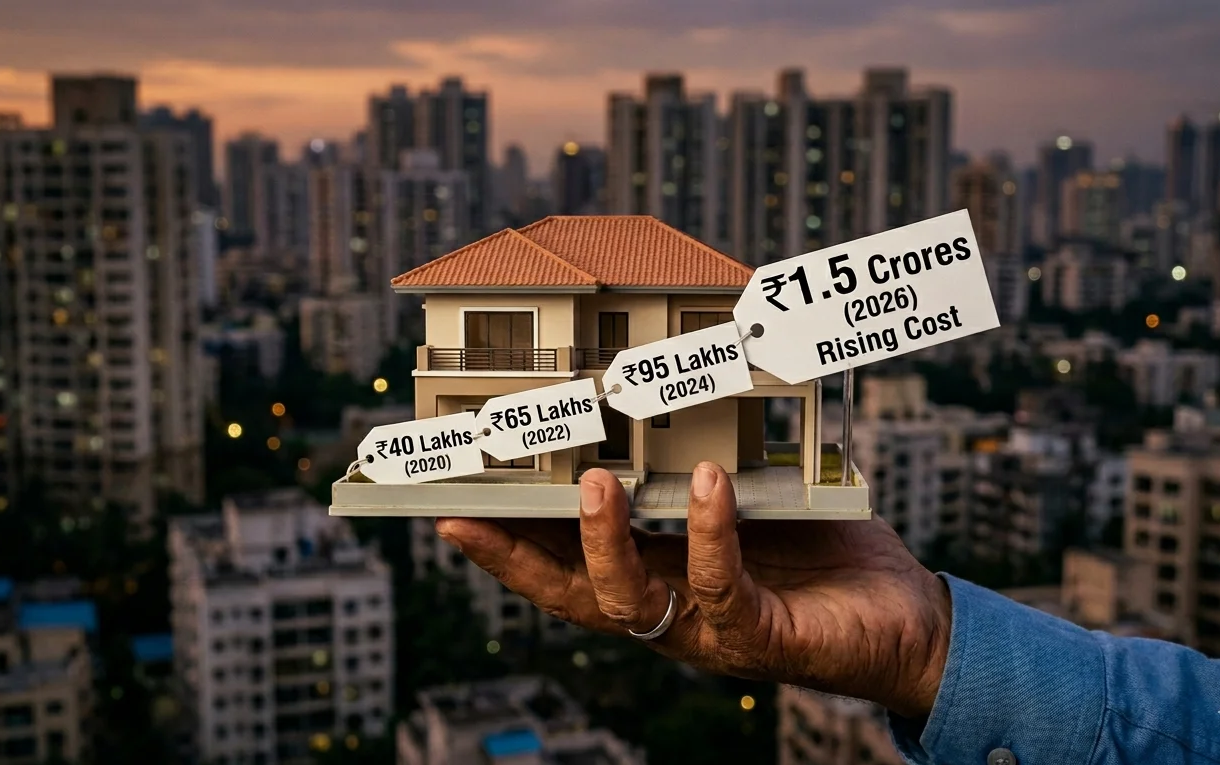
- A 500 sq ft 2BHK flat now costs around ₹35 lakh
- Additional costs like registration, interiors, and maintenance push it closer to ₹40 lakh
For middle-income families, this stretches affordability limits. Many buyers now question whether affordable housing still serves its original purpose.
Moreover, rising prices could reduce participation in future allotments, especially among first-time buyers.
Payment Plan Still Offers Some Relief
Despite higher costs, the payment structure remains relatively buyer-friendly:
- 5% booking amount to apply
- 20% after allotment
- Remaining 75% in six instalments
Developers must complete construction within four years, ensuring timely delivery.
While this structure helps ease financial pressure, the increased base price still poses a challenge.
Expert Perspective: A Necessary but Risky Move
Real estate experts believe the price hike was unavoidable given current market conditions. However, they also warn about its long-term impact.
Higher prices may:
- Reduce demand from genuine end-users
- Shift buyers toward smaller towns
- Slow down absorption rates in urban markets
In short, while the move supports developers, it risks weakening buyer sentiment.
Industry Insight

Sanjeev Singh, MD, SKJ Landbase, shares a balanced view:
“The revision reflects ground realities like rising construction and land costs. However, affordability must remain the core focus. If pricing moves too far from buyer capacity, demand could slow down despite policy support.”
What Lies Ahead for Affordable Housing?
Looking forward, three key trends may emerge:
- Shift Toward Peripheral Locations
Buyers may increasingly prefer areas like Sohna or other emerging towns where prices remain relatively lower.
- More Selective Buying Behavior
Only serious and financially prepared buyers may participate in allotments.
- Possible Policy Tweaks
If demand slows significantly, the government may introduce new incentives or revise norms again.
Final Verdict
The Haryana government’s decision marks a crucial shift in the affordable housing landscape.
- Developers get some relief from rising costs
- Projects become more viable in certain regions
- Buyers face increased financial burden
- True affordability comes under question
Ultimately, the success of this policy revision will depend on one key factor:
Can the balance between cost and affordability be maintained?
If not, affordable housing in cities like Gurugram may gradually move out of reach for the very people it was designed for.