Gurugram Takes a Major Step Toward Safer Public Spaces
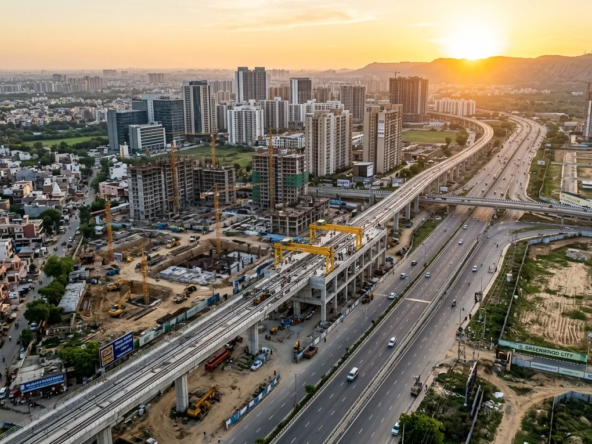
Gurugram continues to strengthen its urban infrastructure. This time, the focus has shifted to public safety and accessibility. The Municipal Corporation of Gurugram (MCG) has signed a memorandum of understanding with Safetipin India Foundation to assess the safety of key public spaces across the city.
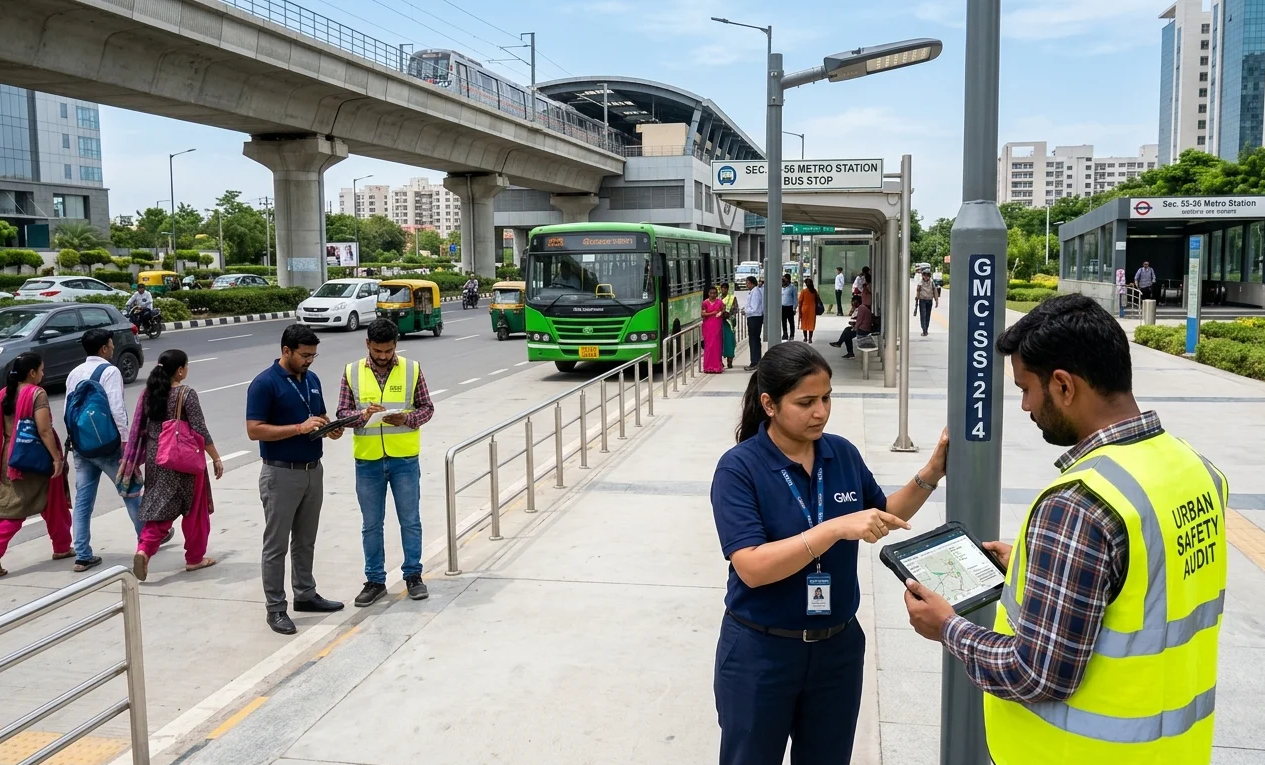
The initiative aims to evaluate how safe, clean, and accessible Gurugram’s public infrastructure feels for everyday users. Authorities will examine high-footfall locations such as bus stops, metro stations, and public toilets.
More importantly, officials want to create a data-driven plan for improving civic infrastructure. By identifying gaps in lighting, accessibility, and facilities, the city can implement targeted improvements. As a result, residents will experience safer and more user-friendly public spaces.
For a rapidly growing city like Gurugram, such initiatives play a crucial role in strengthening urban life.
Key Public Locations Will Undergo Detailed Safety Assessment
The safety audit will focus on locations that residents use daily. These include bus stops, metro stations, public toilets, and other busy civic areas.
Experts from Safetipin will conduct surveys across these sites. They will carefully examine multiple factors that influence safety and accessibility. These parameters include:
- Lighting conditions in public areas
- Cleanliness and maintenance levels
- Accessibility for pedestrians and differently-abled individuals
- Availability of basic facilities such as seating and signage
- Visibility and openness of spaces
- Overall perception of safety among users
Through this process, researchers will identify areas where infrastructure improvements are urgently required.
For instance, poorly lit bus stops can discourage people from using public transport during evening hours. Similarly, poorly maintained public toilets often create discomfort for residents.
Therefore, this detailed study will help city planners understand exactly where improvements are necessary.
Strong Collaboration Between Civic Authorities and Safety Experts
The partnership reflects a collaborative approach toward improving city infrastructure. The agreement was signed in the presence of Pradeep Dahiya, commissioner of the Municipal Corporation of Gurugram.
Additional municipal commissioner Yash Jaluka represented the civic body during the signing process. Meanwhile, Kalpana Viswanath signed the agreement on behalf of Safetipin India Foundation.
Both organizations will now work closely throughout the project. Safetipin’s expert teams will conduct on-ground surveys and collect detailed data from different parts of the city.
At the same time, the municipal corporation will support the project administratively. Officials will help identify survey locations, facilitate permissions, and share important civic information such as ward boundaries.
This coordinated effort will ensure smooth execution of the citywide safety audit.
Data-Driven Insights Will Shape Future Urban Planning
Modern cities require evidence-based planning. Without reliable data, authorities struggle to address infrastructure challenges effectively.
This initiative focuses precisely on collecting actionable insights. Safetipin uses technology-driven tools to evaluate urban safety parameters. Their research will reveal patterns that often remain unnoticed in routine city management.
For example, the surveys may highlight:
- Streets that lack adequate lighting
- Public spaces that feel unsafe after sunset
- Areas with poor pedestrian infrastructure
- Locations where civic facilities require urgent upgrades
Once the data analysis is complete, city authorities can prioritize infrastructure improvements more effectively.
According to commissioner Pradeep Dahiya, the initiative will generate valuable insights for strengthening civic infrastructure.
Similarly, Kalpana Viswanath emphasized that cities must adopt data-driven methods to improve urban safety. She noted that structured surveys help authorities design targeted interventions that deliver real impact.
Safer Public Spaces Create More Liveable Cities
Public spaces play a vital role in shaping everyday urban life. Residents interact with city infrastructure constantly while commuting, walking, or accessing public facilities.
However, poorly maintained infrastructure often discourages people from using public areas. Dark streets, unsafe bus stops, and poorly designed walkways can create discomfort and insecurity. Safer public spaces encourage more active city life. People feel confident using public transport, walking in neighbourhoods, and visiting civic facilities.
Moreover, improved lighting, better accessibility, and cleaner public areas significantly enhance safety for women, children, and elderly residents.
Therefore, initiatives like this safety audit do much more than improve infrastructure. They also help create inclusive and people-friendly cities.
Urban Safety Improvements Also Strengthen Real Estate Growth

According to Sanjeev Singh MD SKJ Landbase, public safety and infrastructure upgrades play an important role in shaping real estate demand.
He said, “Urban infrastructure and public safety significantly influence how people perceive a city. When authorities improve lighting, accessibility, and civic facilities, residents feel more secure. As a result, these improvements strengthen the overall livability of the city and positively impact real estate growth.”
His observation highlights a key trend in modern urban development. Homebuyers increasingly consider surrounding infrastructure before making property decisions.
Safe streets, accessible transport networks, and well-maintained public spaces contribute to long-term property value and stronger community development.
A Positive Vision for Gurugram’s Urban Future
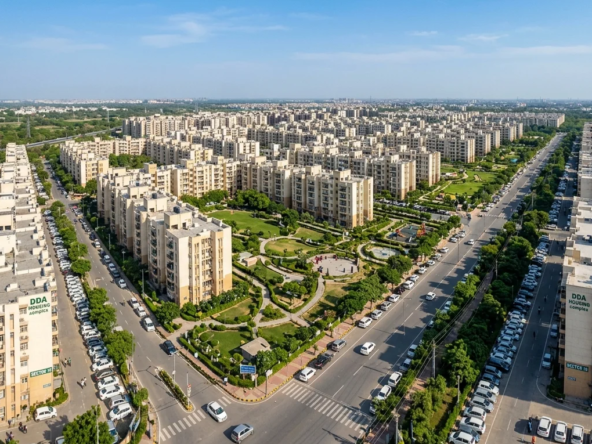
Gurugram continues to evolve as one of India’s most dynamic urban centers. With rapid growth comes the responsibility to create safe and accessible public environments.
The partnership between the Municipal Corporation of Gurugram and Safetipin India Foundation represents an important step in that direction.
Instead of relying on assumptions, city authorities will now use real data to guide infrastructure decisions.
Over time, these insights will help transform public spaces into safer, cleaner, and more inclusive environments for everyone.
If implemented effectively, the initiative could significantly improve how residents experience the city every day. Gurugram may soon set a strong example for other rapidly growing urban centers across India.