Gurugram’s Bakhtawar Chowk Set for a ₹80 Crore Underpass
Gurugram is about to witness a major infrastructure boost with the upcoming Bakhtawar Chowk underpass near Sector 47. Gurugram Metro Rail Limited (GMRL) has approached the Gurugram Metropolitan Development Authority (GMDA) for a No Objection Certificate (NOC) to begin construction.
The project, estimated at ₹80 crore, aims to reduce traffic congestion at one of the city’s busiest junctions and provide smoother connectivity for daily commuters.
The underpass will be executed by GMRL as a deposit work, with GMDA funding the entire project. This approach allows the city to integrate road and metro infrastructure efficiently, ensuring minimal disruption while maximizing benefits. Residents can look forward to a safer, faster, and more organized travel experience in the coming months.
Strategic Planning Along the Metro Route
The Bakhtawar Chowk underpass is not an isolated initiative. It aligns perfectly with Phase II of Gurugram’s metro expansion. which includes 15 stations, a 15.22 km viaduct, a 1.85 km spur to Dwarka Expressway, and a ramp to the proposed depot in Sector 33.
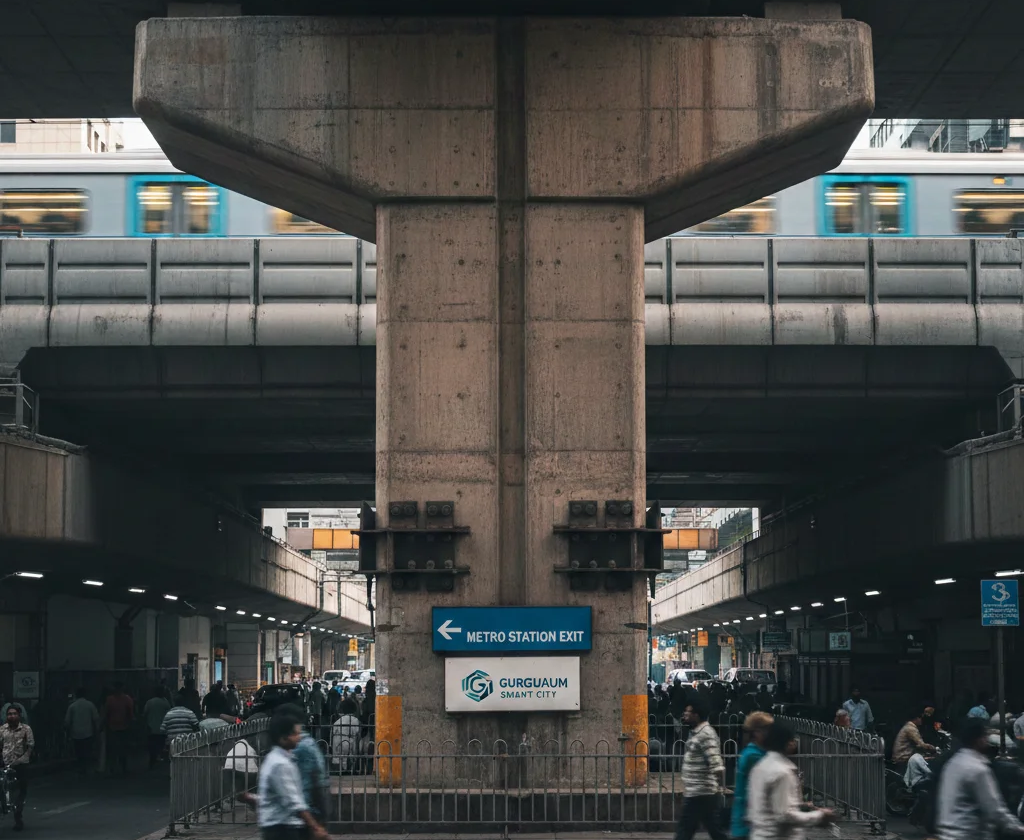
GMRL has designed the underpass to share pillars with the metro line, reducing land use and construction costs while maintaining structural safety. The Sector 47 metro station, adjacent to Bakhtawar Chowk, will feature entry and exit gates on both sides of the road. This ensures commuters can access the metro conveniently without interrupting road traffic, creating a seamless integration of road and rail transport.
According to officials, GMDA had originally proposed five underpasses along the metro corridor. However, GMRL has now decided to construct only one additional underpass at Krishna Chowk near Palam Vihar, prioritizing critical junctions that directly impact traffic flow.
Enhanced Road Infrastructure and Connectivity
The underpass will include three lanes, followed by a three-lane main carriageway, service roads near metro entry and exit points, and a U-turn at the junction. This layout aims to decongest Bakhtawar Chowk, especially during peak office hours and weekends when traffic tends to pile up.
By combining underpass construction with metro expansion, the city is effectively optimizing land use while improving mobility. The careful placement of service roads and U-turns will allow local residents and commuters to navigate efficiently, reducing travel delays and minimizing frustration on the road.
Impact on Daily Commuters
For Gurugram residents and office-goers, the underpass will redefine daily commuting. Currently, Bakhtawar Chowk faces heavy congestion, particularly during rush hours. Once operational, the underpass will allow vehicles to move uninterrupted under the metro line, while the U-turns and service roads will enhance access to nearby areas.
Additionally, commuters using the Sector 47 metro station will benefit from smoother last-mile connectivity. This combination of road and rail improvements promises to cut travel time, offer alternative routes, and reduce stress for drivers and pedestrians alike.
Expert Insight
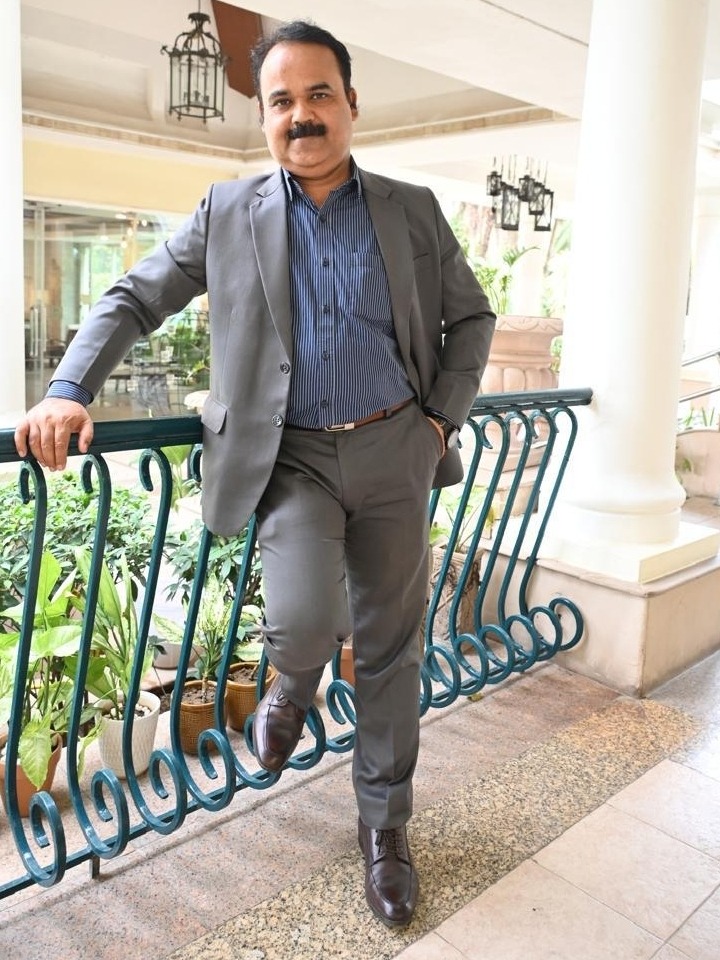
Sanjeev Singh, MD of SKJ Landbase, emphasized the significance of integrated planning:
Gurugram’s infrastructure is evolving rapidly. Projects like the Bakhtawar Chowk underpass not only reduce traffic challenges but also enhance the city’s livability. Integrated planning between roads and metro lines is the future of urban mobility.
His insight reflects a larger vision where infrastructure development goes beyond convenience, directly impacting quality of life, safety, and urban growth.
Execution and Timeline
GMRL submitted a General Arrangement Drawing (GAD) to GMDA, highlighting the underpass’s layout, structural components, and integration with existing road infrastructure. The authorities aim to adhere strictly to the approved schedule, ensuring timely completion without compromising safety.
Construction will proceed alongside ongoing metro work, which includes stations like Millennium City Centre, Sector 45, Cyber Park (Sector 46), Sector 47, Subhash Chowk, Sector 48, Hero Honda Chowk, Udyog Vihar Phase VI, and Basai. Coordinating both road and metro projects in parallel demonstrates Gurugram’s commitment to smart urban planning.
Benefits Beyond Traffic Management
The underpass brings multiple advantages beyond mere congestion relief. Experts highlight that reducing traffic jams lowers fuel consumption, decreases emissions, and improves road safety. For local businesses, better accessibility means more customers and smoother supply chain movement, potentially boosting the local economy.
Residents living nearby will benefit from service roads that reduce the need to take longer detours, while well-designed U-turns ensure minimal disruption during construction. Over time, the underpass will streamline connectivity across multiple sectors, helping the city manage growing traffic volumes more efficiently.
A Step Toward Smart Urban Mobility
Bakhtawar Chowk’s underpass is a critical component of Gurugram’s broader infrastructure modernization efforts. By integrating metro development with road expansion, the city is taking a leap toward sustainable and efficient urban mobility.
Authorities are clearly focused on high-impact developments, with just one more underpass planned at Krishna Chowk. This strategy allows the city to conserve resources, minimize construction-related disruption, and deliver long-term benefits for commuters.
Residents can look forward to reduced travel time, smoother traffic flow, and improved road and metro connectivity. For city planners, this project represents a blueprint for coordinated, cost-effective infrastructure growth that can adapt to Gurugram’s rapid urbanization.
Key Takeaways for Gurugram Residents:
- Bakhtawar Chowk underpass: 3 lanes, service roads, U-turns, integrated with metro pillars
- Cost: ₹80 crore, funded by GMDA, executed by GMRL
- Sector 47 metro station adjacent, enhancing last-mile connectivity
- Only one additional underpass planned at Krishna Chowk
- Expected benefits: reduced congestion, lower emissions, better commuter experience
In short, the Bakhtawar Chowk underpass isn’t just a construction project it’s a vision for a smarter, more connected Gurugram. As Sanjeev Singh notes, “Integrated infrastructure planning is the key to transforming urban life. Projects like these make daily commuting safer, faster, and more efficient for everyone.”