Gurugram has grown faster than its roads. Every year, vehicle numbers increase. At the same time, travel speeds fall. Nowhere does this problem hurt more than Old Gurugram. Daily congestion disrupts work, business, and quality of life. Recognising this pressure, the Gurugram Metropolitan Development Authority (GMDA) has taken a strategic step. The authority has called for integrated planning of metro corridors and elevated roads. This decision marks a shift from fragmented infrastructure to coordinated urban mobility.
More importantly, it signals long-term thinking.
Why Gurugram Needs Integrated Transport Planning Now
First of all, Gurugram can no longer afford isolated planning. Roads alone cannot solve congestion. Metro lines alone cannot handle last-mile traffic. When departments work separately, the city pays the price.
Therefore, GMDA has asked all stakeholder agencies to plan together. This includes Gurugram Metro Rail Limited (GMRL) and Haryana Mass Rapid Transport Corporation (HMRTC). The goal remains clear. Gurugram needs infrastructure that works as one system.
As a result, planners can protect Right of Way early. They can also avoid future demolition and redesign. This approach saves time, money, and public frustration.
Two Metro Corridors Form the Core of the Plan
At the heart of this initiative lie two major metro corridors.
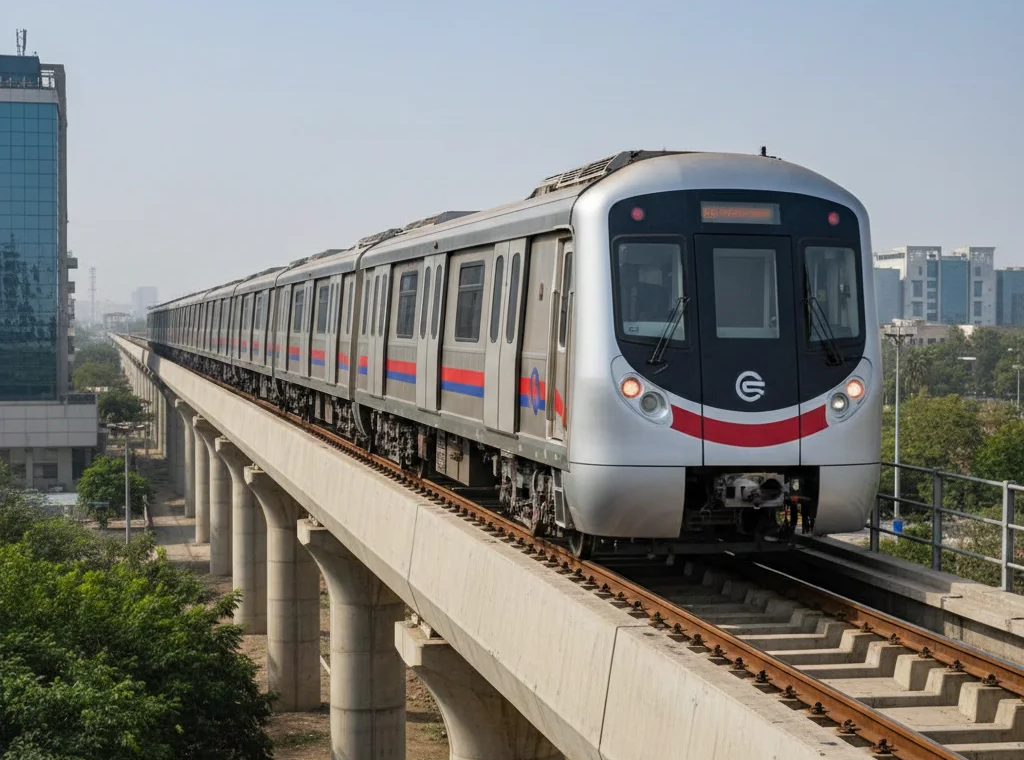
The first corridor will connect Millennium City Centre to Cyber City. This stretch links key office hubs and dense employment zones. The second corridor will run from Gurugram Railway Station to Bhondsi. This route will serve Old Gurugram and expanding residential belts.
Both corridors will share a common depot in Sector 33. This decision improves operational efficiency. It also reduces land pressure. Most importantly, it enables seamless integration between both lines.
Together, these corridors will create a strong public transport backbone.
Old Gurugram Gets Long-Overdue Attention
Old Gurugram has suffered from years of unplanned growth. Narrow roads, mixed traffic, and high population density have created constant choke points. GMDA has placed this area at the centre of its integrated strategy.
The authority plans to align elevated road corridors, grade separators, and metro tracks along the same urban stretches. Key roads such as Old Railway Road will receive special attention.
By safeguarding Right of Way now, GMDA aims to handle future traffic growth. This step will support rising metro ridership and increasing road demand simultaneously.
Multi-Level and Multi-Modal Mobility Explained
This plan does not depend on one mode of transport. Instead, it blends multiple layers.
Elevated roads will carry long-distance and through traffic. Surface roads will handle local movement. Metro corridors will move large passenger volumes efficiently. Together, these layers will function as a multi-level mobility network.
Consequently, congestion will reduce. Travel time reliability will improve. Daily commuting will become predictable.
Most importantly, this model supports Gurugram’s urban expansion without overwhelming its core areas.
Industry Perspective on GMDA’s Move
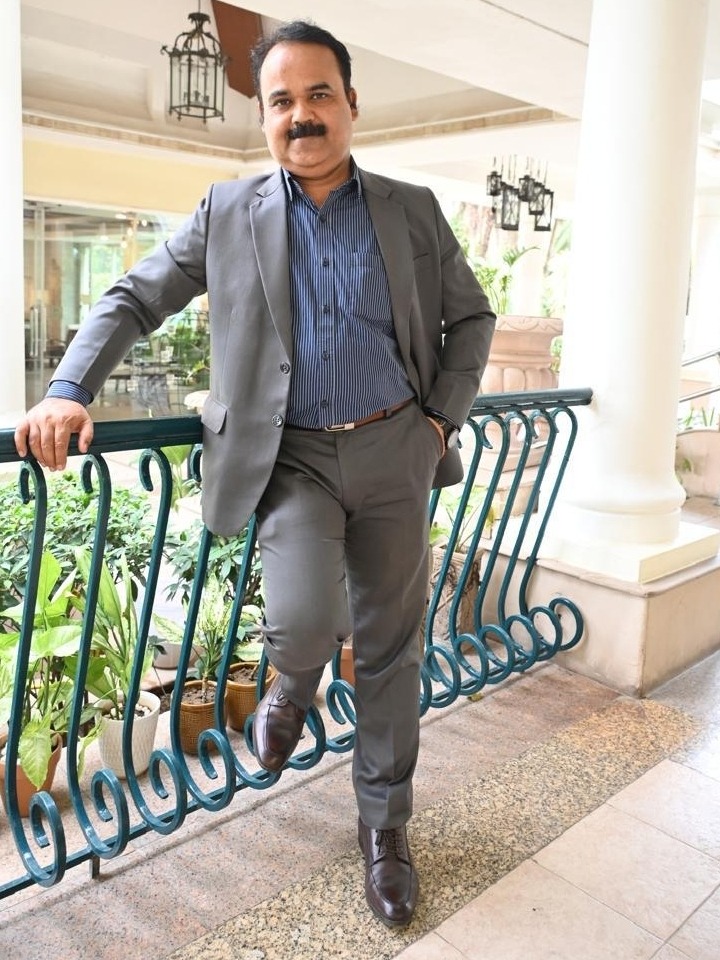
Sanjeev Singh, Managing Director, SKJ Landbase, shared his view on the development:
“Integrated planning of metro and elevated roads is critical for a city like Gurugram. When infrastructure agencies align their vision early, the city benefits for decades. This initiative will ease congestion in Old Gurugram and create stronger connectivity across residential and commercial corridors.”
His statement reflects growing industry confidence. Clear infrastructure planning reduces uncertainty. It also strengthens long-term investment decisions.
Impact on Real Estate and Urban Development
Transport connectivity drives real estate growth. Areas near metro corridors attract end users. Locations with smoother road access draw businesses.
With this integrated framework, Gurugram can expect balanced development. Old Gurugram will regain functionality. Newer sectors will gain structured access. Property demand will rise where infrastructure improves.
However, the biggest gain lies in livability. Reduced travel stress improves daily life. Efficient mobility supports economic productivity.
Sustainability and Long-Term Urban Health
Sustainability remains a key outcome of this initiative. Metro-based transport reduces carbon emissions. Coordinated planning prevents unnecessary land use. Smoother traffic flow cuts fuel consumption.
As a result, Gurugram moves closer to cleaner and smarter urban living. This approach aligns growth with environmental responsibility.
Final Takeaway: A Smarter Future for Gurugram
GMDA’s call for integrated metro and elevated road planning represents a crucial reset. The authority has chosen coordination over correction. It has chosen foresight over patchwork solutions.
If execution matches intent, this strategy can redefine Gurugram’s mobility landscape. Old Gurugram will breathe easier. Commuters will save time. The city will move with purpose.
In a rapidly growing NCR, this kind of planning does not remain optional. It becomes essential.