Gurugram’s Road Revolution: 24-Metre Internal Roads Planned for Sectors 58–115
A Big Infrastructure Push for Gurugram
Infrastructure development continues to shape the future of Gurugram. The city has already emerged as one of India’s most dynamic real estate destinations. However, certain infrastructure gaps have slowed development in several newly developed sectors. Now, the Haryana government has announced a major step to address one of the most pressing concerns road connectivity.
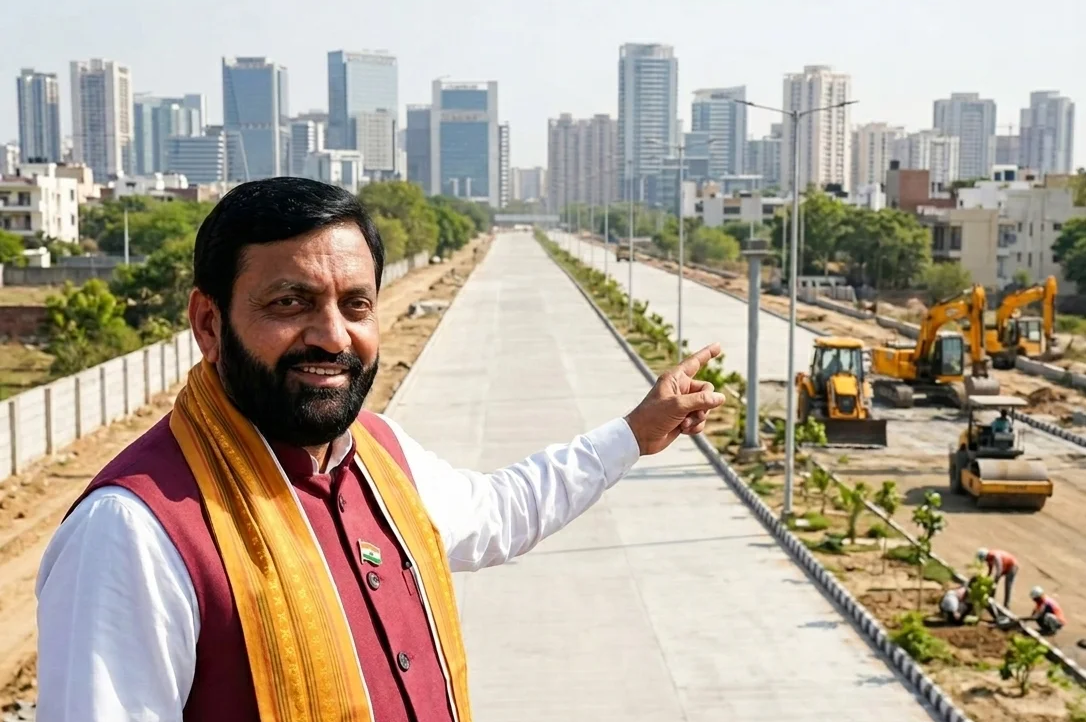
Recently, Haryana Chief Minister Nayab Singh Saini revealed that the state government will initiate land acquisition to develop 24-metre wide internal roads across sectors 58 to 115 in Gurugram. This announcement has generated optimism among residents, investors, and real estate experts. For years, people living in these sectors have struggled with narrow roads and poor internal connectivity. The new plan promises to change that situation.
If implemented efficiently, the project will significantly improve accessibility across Gurugram’s rapidly expanding neighborhoods.
The Long-Standing Road Connectivity Issue
Over the last two decades, Gurugram has witnessed massive urban expansion. Residential townships, gated communities, and commercial complexes have developed rapidly across new sectors.
However, infrastructure development did not always keep pace with this growth.
Many licensed colonies between sectors 58 and 115 still rely on very narrow internal roads. In several areas, residents use two-karam (3.3 metre) or four-karam (6.7 metre) roads.
These roads cannot handle the growing traffic of thousands of families.
Consequently, daily commuting becomes difficult. Traffic congestion occurs frequently. School buses and service vehicles struggle to pass through narrow lanes. Emergency vehicles such as ambulances also face delays.
During his budget speech, the chief minister highlighted this concern clearly. According to him, lakhs of families have suffered due to inadequate road connectivity.
Therefore, the state government has decided to implement a long-term solution this year.
Why the 24-Metre Roads Were Missing
To understand this issue, one must examine Gurugram’s urban planning history.
Under Master Plan 2001, authorities acquired land and developed 18-metre internal sector roads across several parts of the city. This planning ensured relatively smooth connectivity during the early stages of Gurugram’s expansion.
However, the situation changed after the introduction of Master Plan 2021 in 2007.
The revised plan did not include provisions to acquire land for 24-metre internal sector roads in developing areas. Additionally, authorities did not include the cost of acquiring such land in the external development charges (EDC) imposed on private developers.
As a result, numerous residential colonies developed without wide connecting roads.
Over time, this planning gap created serious connectivity challenges across sectors 58 to 115.
Now, the Haryana government aims to correct this issue through a new acquisition initiative.
Government’s Strategy to Build Wider Roads
The state government has now decided to directly acquire land required for 24-metre wide roads across the affected sectors.
Once the acquisition process begins, authorities will move forward with road construction. Importantly, the government also clarified that the cost of land acquisition will be recovered from builders responsible for these developments.
This decision ensures fairness and financial accountability.
Earlier, the government attempted to resolve the problem through the Transferable Development Rights (TDR) policy introduced in 2016. Later, authorities revised the policy in 2021 to make it more effective.
However, the results remained limited.
Despite several efforts, authorities managed to acquire only around 140 acres of land through the TDR framework.
Therefore, the government has now chosen a more direct and decisive strategy to accelerate infrastructure development.
What This Means for Residents
The development of wider roads will bring significant benefits for people living in these sectors.
First, traffic flow will improve considerably. Wider roads will reduce congestion and make daily commuting easier. Second, emergency response services will improve. Ambulances, fire brigades, and police vehicles will reach residential communities faster. Third, public transportation can expand more effectively once wider sector roads become available.
Moreover, better infrastructure will also enhance overall quality of life in these neighborhoods. Residents have demanded this improvement for many years. Local civic groups and community organizations have also raised this issue repeatedly.
Members of the Dwarka Expressway Gurugram Developmental Authority have welcomed the government’s announcement.
However, they also emphasize that the real impact will become visible only after construction begins on the ground.
A Positive Signal for Gurugram’s Real Estate Market
Infrastructure improvements often act as powerful catalysts for real estate growth. Gurugram’s property market has already benefited from projects such as expressways, metro expansion, and commercial developments.
The development of 24-metre internal roads could further strengthen this momentum.
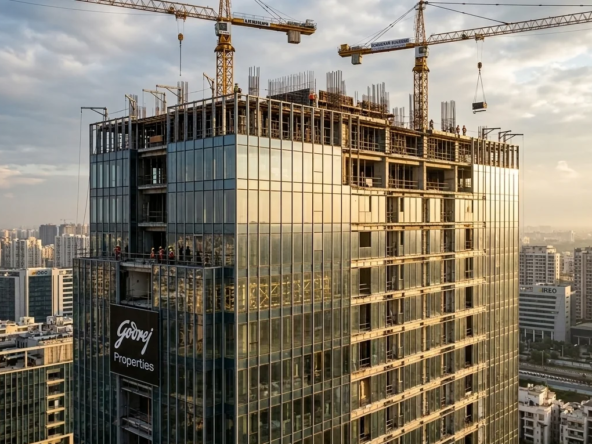
Several emerging sectors between 58 and 115 host large residential projects. However, limited road access has sometimes discouraged potential homebuyers. Once wider roads become operational, these areas may witness increased demand.
Better connectivity will also improve property values and attract long-term investors.
For developers, improved infrastructure will help accelerate project growth and enhance the livability of residential communities.
Expert Insight on Infrastructure and Real Estate

According to Sanjeev Singh, Managing Director of SKJ Landbase, strong infrastructure forms the backbone of any successful real estate market.
He says:
“Road connectivity plays a critical role in shaping urban growth. The development of 24-metre internal roads across sectors 58–115 will significantly improve accessibility in these areas. Such infrastructure initiatives will enhance the livability of Gurugram and strengthen long-term investor confidence.”
His perspective highlights an important reality. Cities grow faster when infrastructure supports residential and commercial expansion.
The Future of New Gurugram
Gurugram continues to evolve as one of India’s most prominent real estate destinations. New residential sectors, commercial hubs, and infrastructure projects continue to transform the city.
The proposed development of 24-metre internal roads represents a crucial step toward solving long-standing connectivity challenges. If authorities execute this project efficiently, thousands of residents will benefit from smoother mobility and better urban infrastructure.
More importantly, the initiative will support organized and sustainable growth across New Gurugram.
For residents of sectors 58 to 115, the long-awaited improvement in road connectivity may finally become a reality.