Starlink Opens First India Office in Delhi, Neighbouring OpenAI at World Trade Centre
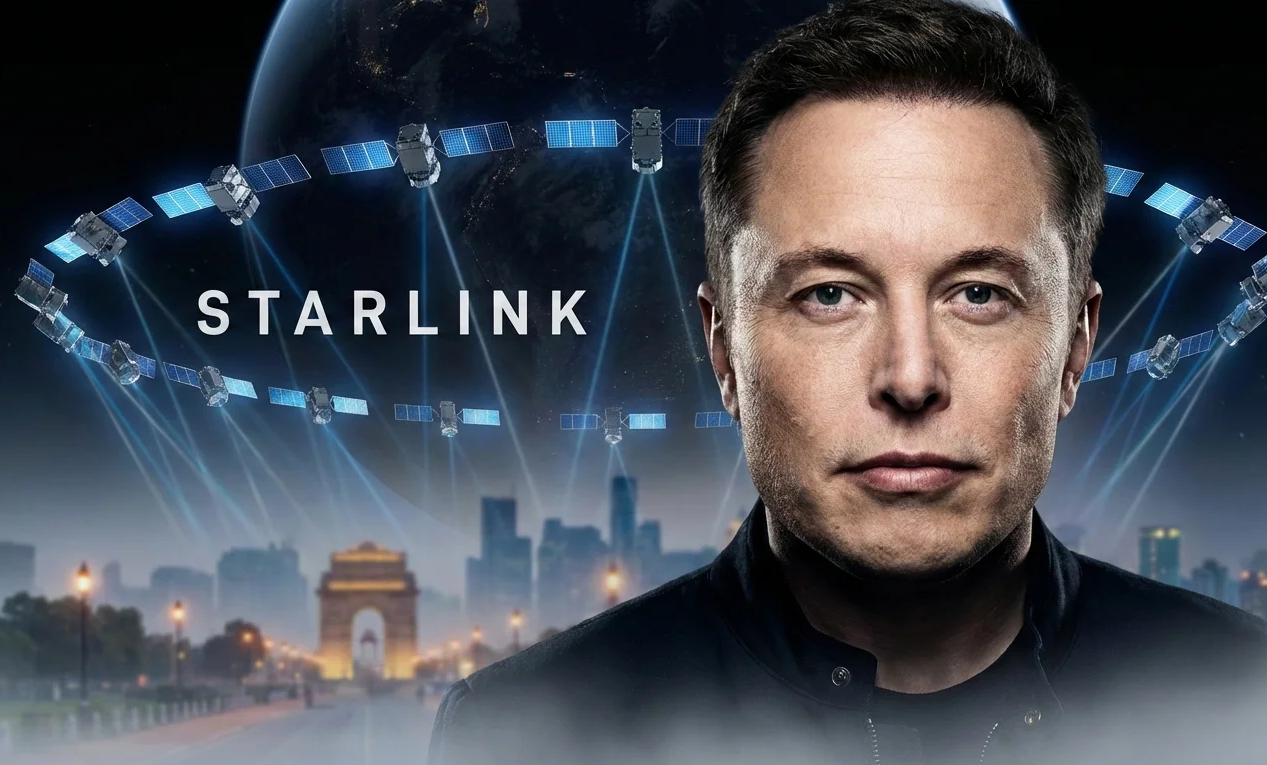
Elon Musk’s Starlink has officially planted its flag in India. Ahead of its commercial launch, the satellite broadband giant has opened its first India office at the World Trade Centre (WTC), Nauroji Nagar, Delhi. Notably, this address already hosts OpenAI’s India office, instantly turning the complex into a high-impact global tech hub.
This move signals far more than a routine office setup. It reflects Starlink’s serious intent to participate in India’s digital transformation. As internet demand expands beyond cities, Starlink’s arrival could reshape how connectivity reaches the last mile.
Why World Trade Centre Is Becoming Delhi’s Tech Power Address
Starlink has leased a 50-seater managed workspace through premium flexible office provider CorporatEdge. This choice mirrors a larger trend among global technology companies. They now prefer hospitality-led, fully managed offices that allow speed, flexibility, and scale.
World Trade Centre, Nauroji Nagar, fits that vision perfectly. It offers modern infrastructure, seamless access to central Delhi, and proximity to policymakers. As a result, multinational firms can operate efficiently while staying connected to regulatory ecosystems.
Moreover, with OpenAI and Starlink under the same roof, WTC now represents Delhi’s emerging AI and space-tech corridor. This clustering strengthens collaboration, talent attraction, and global visibility.
Starlink’s India Strategy Starts Taking Shape
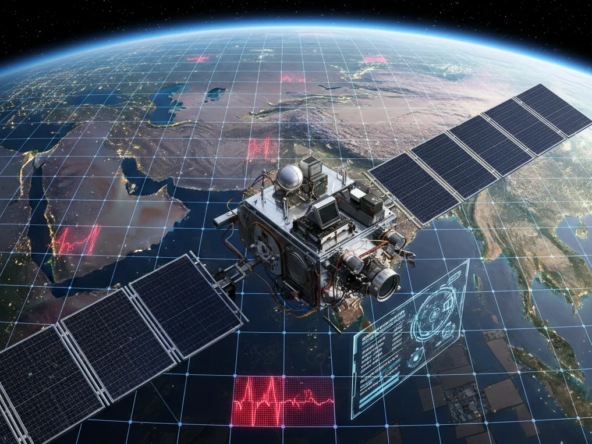
Starlink aims to introduce high-speed, low-latency satellite internet across India. Unlike conventional satellite services that rely on distant geostationary satellites, it operates through a vast network of Low Earth Orbit (LEO) satellites placed roughly 550 km above Earth.
Because of this proximity, users experience faster speeds and minimal lag. As a result, activities such as video calls, online gaming, live streaming, and cloud-based work become possible even in remote locations.
For India, this technology could become a game changer. Mountainous regions, border areas, islands, and rural belts still struggle with fiber connectivity. it can bridge that gap quickly and reliably.
Regulatory Approval Remains the Final Gate
Despite the physical office launch, Starlink still awaits the final green signal to begin commercial services. The company secured its Global Mobile Personal Communication by Satellite (GMPCS) licence from the Department of Telecommunications in June 2025.
However, delays persist due to unresolved spectrum pricing discussions between TRAI and the DoT. This issue has also slowed satellite plans of other players such as Reliance Jio and Bharti Airtel.
Industry experts expect clarity within the next few months. If approvals move swiftly, it could launch services in India within three to six months.
Pricing Speculation Keeps the Market Buzzing
Recently, Starlink sparked curiosity when its Indian website briefly displayed a residential plan priced at nearly ₹8,600 per month. Although the company dismissed it as a technical error, the listing triggered widespread discussion.
India remains one of the most price-sensitive broadband markets globally. Therefore, pricing will determine how fast it gains traction. Analysts expect the company to initially target enterprise users, remote institutions, disaster-response agencies, and premium consumers.
Over time, scale and local partnerships could help Starlink adjust pricing for broader adoption.
How Starlink Can Redefine India’s Connectivity Landscape
Starlink does not aim to replace fiber networks. Instead, it seeks to complement them. Satellite internet excels where cables cannot reach. This includes remote villages, highways, offshore facilities, and emergency zones.
Additionally, sectors such as defense, mining, aviation, logistics, and smart infrastructure could benefit immensely. Reliable satellite connectivity can improve monitoring, coordination, and real-time decision-making.
As India accelerates digital governance, telemedicine, and online education, uninterrupted connectivity will remain critical. Starlink aligns strongly with these national priorities.
Expert Insight: Real Estate and Tech Are Converging

According to Sanjeev Singh, Managing Director, SKJ Landbase, Starlink’s office choice sends a powerful signal:
Starlink setting up its India base at World Trade Centre shows how global tech companies now prioritise future-ready commercial hubs. Satellite internet will transform connectivity, but it will also influence how smart cities, business districts, and digital infrastructure evolve across India.
He further notes that premium business destinations increasingly attract technology leaders because location now reflects long-term vision, not just convenience.
What Comes Next for Starlink in India
Delhi office marks the start of a much larger journey. Once regulatory hurdles clear, the company could unlock new opportunities in connectivity, disaster resilience, and digital inclusion.
At the same time, World Trade Centre’s rise as a tech nucleus proves how global innovation and Indian ambition continue to intersect.
With Starlink and OpenAI as neighbours, Delhi has quietly positioned itself at the crossroads of space technology, artificial intelligence, and next-generation connectivity.