Low AQI Homes: When Clean Air Becomes the New Luxury in Indian Real Estate
Luxury in Indian real estate keeps evolving. Earlier, buyers chased bigger homes. Then came premium locations, scenic views, and branded amenities. Today, a new priority dominates conversations clean air.As pollution levels rise across Indian cities, developers now promote low AQI homes as a premium offering. Advanced air-filtration systems, smart ventilation, and in-project green zones headline sales brochures. Clean air, once taken for granted, now drives buying decisions.
This shift reflects a deeper change in how homebuyers define luxury. It also signals a broader trend in urban living where wellness, comfort, and health are inseparable from real estate value.
Why Clean Air Now Drives Homebuyer Demand
Air quality in urban India continues to deteriorate. Smog, construction dust, traffic emissions, and shrinking green cover affect daily life. As a result, health awareness has grown rapidly.
Parents worry about children’s respiratory health. Professionals worry about productivity. Seniors worry about long-term wellness.
Consequently, buyers no longer ask only about carpet area or clubhouse size. They ask about AQI levels, filtration systems, and green buffers. Developers respond quickly, understanding that wellness now sells as much as square footage.
From Views to Vitality: How Luxury Housing Has Changed
Real estate marketing has always followed aspiration. First came golf-facing homes. Then river-facing, sea-view, and forest-side residences. Each promised closeness to nature.
Now, the pitch has shifted again. Developers highlight “low-AQI living” as a badge of prestige. Projects near parks, forests, or low-traffic corridors command higher premiums. At the same time, interior air quality has become a tangible selling point.
This evolution shows how essentials slowly turn into luxuries when cities fail to protect them. Clean air, once free and abundant, now comes with a price tag.
Technology Behind Low-AQI Homes
Developers integrate technology directly into residential design. Many premium projects now use centrally treated fresh air (CTFA) systems. These systems pull outdoor air, filter pollutants, and circulate cleaner air indoors. Some homes also combine CTFA with VRF air-conditioning systems for energy efficiency and precise climate control.
Smart sensors monitor indoor air quality in real time. These systems regulate airflow automatically based on pollution levels.
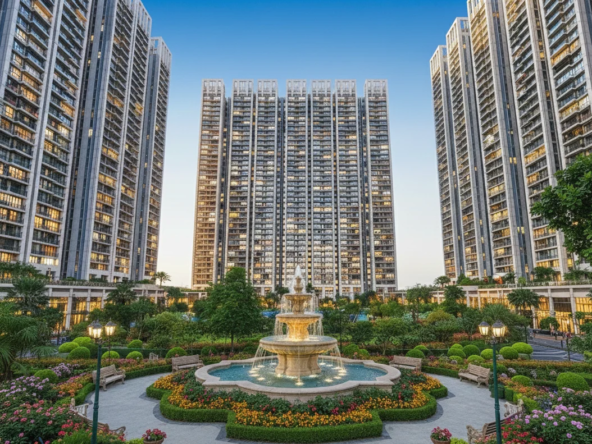
Meanwhile, landscape planning has grown more sophisticated. Large green buffers, internal forests, vertical gardens, and native plantations aim to reduce dust and improve micro-climates.
Together, technology and nature create a controlled breathing environment inside gated communities. Residents enjoy both wellness and peace of mind.
Can Green Spaces Alone Solve the AQI Problem?
Green zones play an important role. Trees absorb carbon dioxide, block dust, and cool surrounding areas. However, greenery alone cannot filter polluted air fully.
Experts explain that trees act as partial barriers, not air purifiers. Filtration systems actively clean polluted air. Developers now combine both approaches.
Smart projects balance mechanical filtration with natural buffers. This combination delivers better results than either solution alone. It also creates a healthier, aesthetically pleasing environment that buyers value.
The Cost of Cleaner Air in Homes
Low-AQI infrastructure increases construction costs. Filtration units require additional electrical load, dedicated spaces, ducting, and ongoing maintenance. Even small cost additions at the construction stage can raise home prices by several lakhs.
Despite this, demand continues to rise. Buyers increasingly view clean air as a long-term investment in health. They accept higher prices in exchange for reduced medical risks and improved daily comfort.
This mindset has changed the definition of value in housing. Wellness now competes with square footage, clubhouse size, and location in premium projects.
Expert Insight: What the Market Is Really Seeing

Sanjeev Singh, Managing Director, SKJ Landbase, believes this trend reflects a fundamental shift in buyer priorities.
Homebuyers today think beyond luxury interiors. They focus on daily well-being. Clean air, green surroundings, and healthier living environments now influence final purchase decisions more than ever. Developers who genuinely invest in these features, rather than just market them, will lead the next phase of premium housing,
His observation mirrors on-ground demand patterns across NCR and other metros, where wellness-driven features are now decisive in purchase decisions.
Clean Air: Luxury Feature or Urban Failure ?
This trend also raises an uncomfortable question: should clean air become a paid upgrade?
Critics argue that turning air quality into a premium feature highlights deeper urban planning failures. When cities fail to control pollution, private projects step in with micro-solutions. These solutions help residents inside gated communities but leave the larger environment unchanged.
Low-AQI homes improve individual living conditions. However, they cannot replace city-wide environmental action. Experts caution that true urban wellness depends on cleaner transportation, stricter emission controls, and wider green infrastructure.
What Lies Ahead for Residential Development
Looking ahead, more residential projects will include air-quality technology as standard. Over time, today’s luxury features may become tomorrow’s baseline expectations.
Just as air-conditioning once defined premium housing and later became mainstream, air filtration may follow the same path. Meanwhile, informed buyers will learn to differentiate between marketing claims and real engineering solutions. Transparent specifications, long-term maintenance plans, and measurable AQI performance will matter more than slogans.
Final Thoughts
Low-AQI homes reflect the realities of modern urban living. They respond to a genuine need. They also reveal how scarcity reshapes luxury.
For now, clean air sells homes. In the long run, sustainable city planning must ensure that clean air stops being a privilege and returns to being a right.
Until then, the future of luxury real estate will continue to breathe through filters, forests, and smarter design.