Can Gurgaon Become the Next Singapore? A Deep Dive into India’s Emerging Global City
Gurgaon, officially known as Gurugram, has transformed from a sleepy town into a bustling urban hub in just a few decades. With skyscrapers, tech parks, luxury malls, and world-class residential projects, it’s often dubbed the “Millennial City” of India. But can Gurgaon truly rise to the level of Singapore a global financial powerhouse and model smart city? Let’s explore.
The Rise of Gurgaon: From Village to Urban Marvel
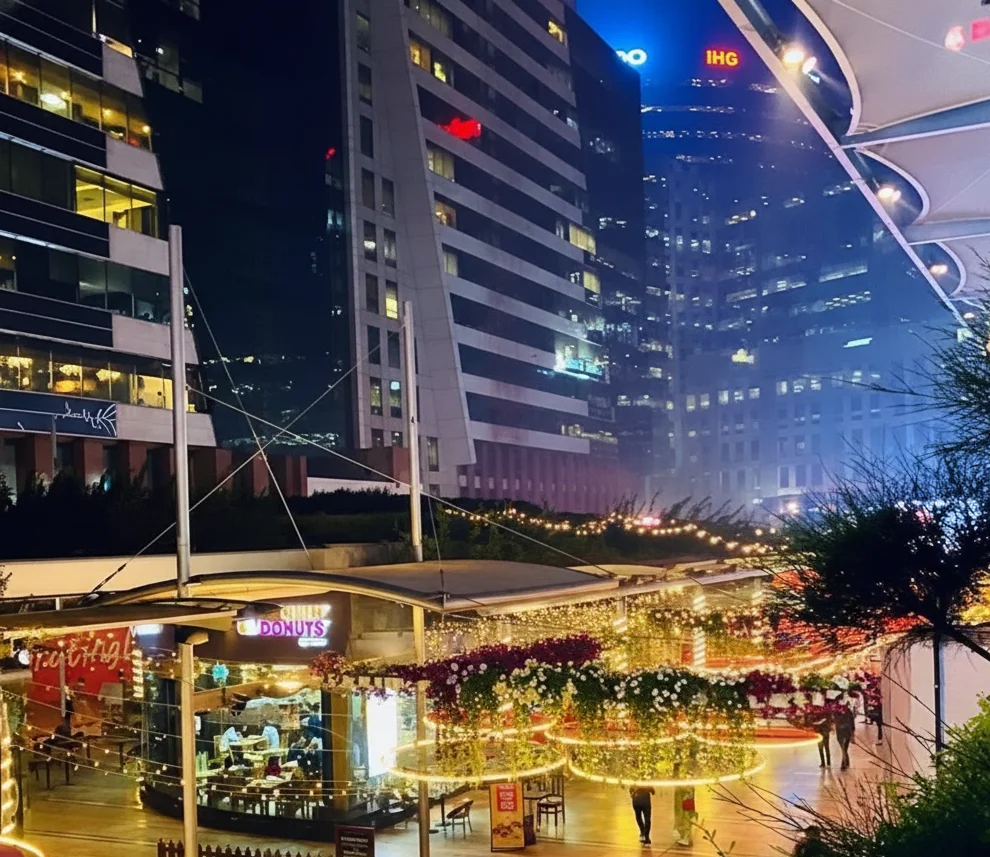
Gurgaon’s story is nothing short of remarkable. In the 1970s, it was a quiet agricultural village. Today, it hosts the headquarters of hundreds of multinational corporations, IT parks, and some of India’s tallest buildings.
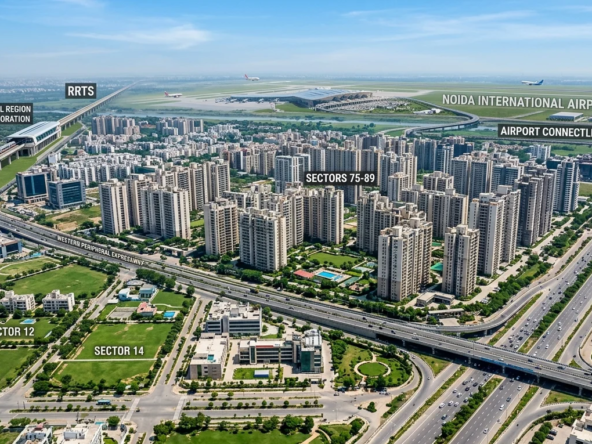
The city’s rapid growth stems from a combination of strategic location near Delhi, robust infrastructure initiatives, and proactive urban planning. Metro connectivity, expressways like Golf Course Extension Road, and upcoming RRTS corridors are connecting Gurgaon to the larger National Capital Region (NCR) like never before.
Gurgaon has the potential to become India’s Singapore if we continue to innovate and invest in smart infrastructure. The city is ready for global recognition, but we must focus on sustainability, liveability, and efficient governance.
Infrastructure That Mirrors Global Standards
Singapore is famous for its efficient public transport, green spaces, and smart urban planning. Gurgaon is making strides in these areas.
- Transportation: The upcoming Rapid Rail Transit System (RRTS) and metro extensions promise world-class connectivity.
- Residential Projects: Luxury townships and senior-living projects are bringing modern amenities to residents.
- Commercial Spaces: Corporate offices and IT parks are making Gurgaon a financial and technological hub.
By integrating technology in urban services, Gurgaon can reduce traffic congestion, enhance waste management, and improve quality of life key pillars of a Singapore-style city.
Smart City Initiatives: The Technology Edge
Gurgaon is not just about tall towers and shopping malls; it’s embracing the digital revolution. Smart city initiatives, AI-driven traffic management, and IoT-enabled public services are gradually improving urban efficiency.
Imagine a city where streetlights adjust brightness based on foot traffic, waste collection is automated, and public safety is managed via real-time monitoring. These may sound futuristic, but Gurgaon is already taking steps in that direction.
Global cities thrive when they combine technology with citizen-centric governance. Investors and residents are looking for cities that are smart, sustainable, and livable.
Sustainability and Green Spaces: A Non-Negotiable
Singapore’s success as a global city is deeply tied to its green urban planning. Parks, waterfronts, and tree-lined streets enhance both aesthetics and quality of life. Gurgaon is gradually catching up.
Bharat Vandana Park, Aravali Biodiversity Park, and several community green initiatives show the city’s commitment to ecological balance. Future residential projects are increasingly including green belts, solar panels, and rainwater harvesting systems.
If Gurgaon can integrate greenery with smart infrastructure, it can attract not only businesses but also global talent seeking a high-quality urban lifestyle.
Economic Potential: From Local to Global
Gurgaon already contributes significantly to India’s GDP. The presence of Fortune 500 companies, startups, and fintech hubs highlights its economic vibrancy.
However, Singapore’s economic model thrives on a mix of trade, finance, and innovation-driven policies. Gurgaon can emulate this by:
- Encouraging foreign direct investment (FDI)
- Developing financial hubs
- Promoting innovation and research parks
By creating a business-friendly ecosystem with global standards, Gurgaon can become a magnet for talent and capital just like Singapore.
Challenges on the Road to Global Status
No transformation is without hurdles. Gurgaon faces challenges such as:
- Traffic congestion and urban sprawl
- Water scarcity and waste management issues
- Regulatory and governance bottlenecks
Addressing these challenges requires proactive policymaking, public-private partnerships, and citizen engagement. Lessons from Singapore show that governance efficiency is as critical as economic prowess.
Expert Advice: Sanjeev Singh’s Take

Sanjeev Singh, MD, SKJ Landbase, says Gurgaon can become India’s Singapore by focusing on three things:
- Smart Infrastructure: AI-driven traffic, IoT utilities, and digital governance.
- Sustainability: Green spaces, renewable energy, and eco-friendly planning.
- Economic Growth: Investor-friendly policies and innovation hubs.
“Gurgaon’s growth must prioritize technology, sustainability, and citizen well-being. Collaboration between government, corporates, and residents is key,” he adds.
This expert insight provides a clear roadmap for urban planners, investors, and policymakers aiming to elevate Gurgaon to international standards.
Vision for Gurgaon 2030 and Beyond
Can Gurgaon truly become India’s Singapore? The potential exists, but the journey demands strategic vision. Urban planning, sustainable development, smart city technologies, and economic policies must converge seamlessly.
“The dream of Gurgaon becoming a global city is achievable. It’s about balancing growth with sustainability, innovation with inclusivity, and ambition with execution.”
By fostering innovation, prioritizing quality of life, and building resilient infrastructure, Gurgaon could indeed emerge as India’s Singapore a city that thrives globally while maintaining local identity.