Gurugram Metro Plan May Push Property Prices Up What Buyers Must Know Now
Gurugram’s real estate market is entering a new phase of transformation. This time, the spotlight falls on a major proposal by Gurugram Metro Rail Limited. The authority has suggested a 0.5% stamp duty surcharge along with a 35% share in Transit-Oriented Development (TOD) revenue.
At first glance, this may seem like an extra financial burden. However, when you look deeper, the proposal connects directly to infrastructure growth and long-term property appreciation in Gurugram.
What Is the New Proposal All About?
To begin with, GMRL wants to create a sustainable funding model for metro expansion. Instead of relying only on government funds, it plans to tap into real estate growth around metro corridors.
Specifically, the proposal includes:
- A 0.5% additional stamp duty surcharge on property transactions
- A 35% share from TOD-related revenue collections
- Revenue from extra FAR (Floor Area Ratio) given to projects near metro routes
In simple terms, property buyers and developers will contribute slightly more. In return, the city will get better metro connectivity and stronger infrastructure.
Why TOD Zones Are the Real Game Changer
Now, let’s understand why TOD plays such a crucial role.
Transit-Oriented Development focuses on high-density projects near metro stations. Usually, these zones fall within 500 to 800 meters of metro lines.
Because of this policy:
- Developers get approval for higher FAR
- Builders create mixed-use developments
- Areas around metro stations turn into premium real estate hubs
As a result, the government charges fees for these benefits. Now, GMRL wants a share of that revenue to support metro operations.
Will Property Prices Increase?
This question matters the most for buyers.
Currently, stamp duty in Gurugram ranges between 5% and 7%, depending on the location and buyer category. Additionally, the government already applies a 2% infrastructure cess.
If the new proposal gets approved:
- Buyers will pay an extra 0.5% surcharge
- Overall transaction cost will increase slightly
So yes, property purchases may become a bit expensive. However, the increase remains moderate, not drastic.
The Bigger Picture: Infrastructure Drives Growth
Now comes the important part. While the cost increases slightly, the benefits can be much larger.
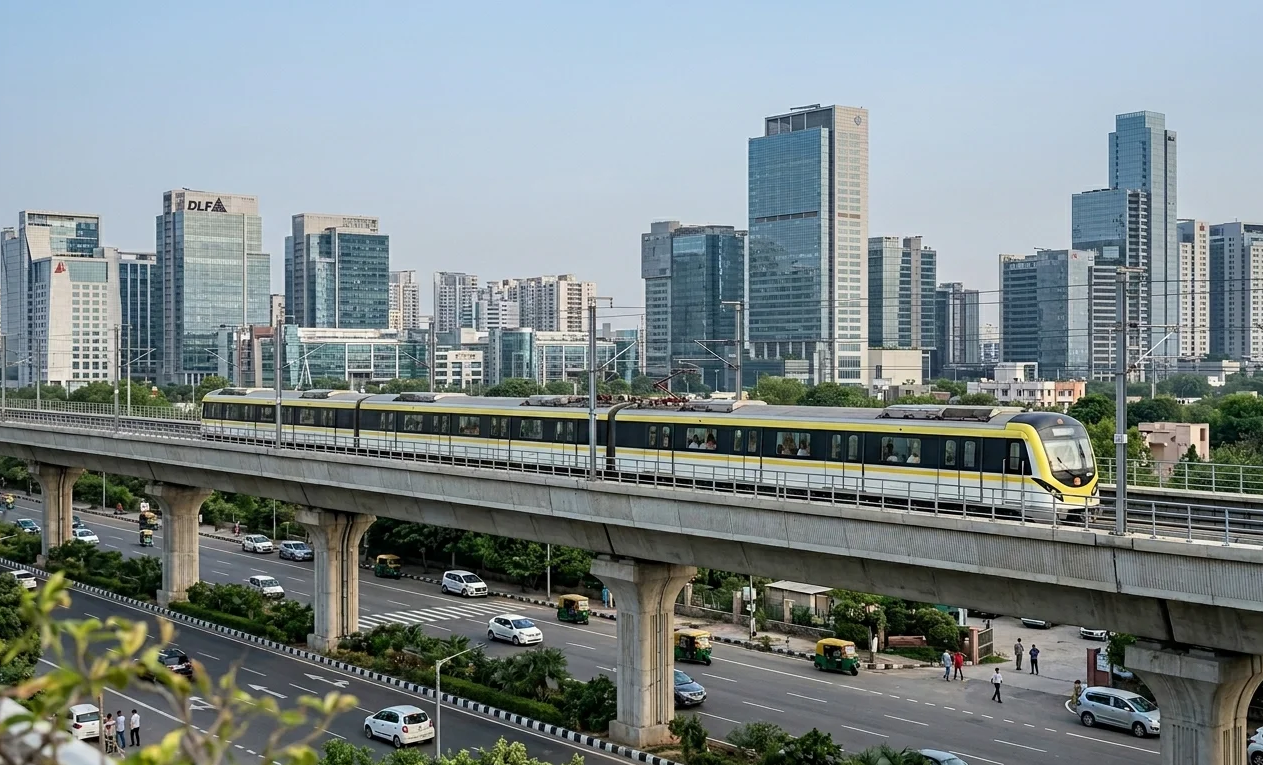
Metro connectivity often transforms entire micro-markets. For example:
- Travel time reduces significantly
- Demand for nearby properties rises quickly
- Rental income improves for investors
- Commercial activity expands rapidly
Therefore, areas near metro corridors usually see strong capital appreciation over time.
So, instead of focusing only on the cost, smart buyers look at future returns.
Impact on Developers and Investors
Developers will also feel the impact of this proposal. However, the situation works both ways.
On one side:
- Developers gain access to higher FAR
- They can build larger and more profitable projects
On the other side:
- They need to share revenue through TOD charges
- Some cost may get passed on to buyers
Even then, projects near metro lines continue to attract premium buyers. Investors especially prefer such locations due to better resale and rental potential.
Current Status: Proposal Still Under Review
At present, the proposal is not final.
Officials discussed it in a high-level meeting led by senior government authorities. However, departments like finance and revenue will study the financial implications before making any decision.
So, as of now:
- No new charges apply immediately
- No official notification has been released
- Final approval is still pending
That said, the proposal holds strong potential because metro projects require long-term funding support.
Expert Take: Industry Perspective

Sharing his insights, Sanjeev Singh, MD of SKJ Landbase, said:
“Infrastructure and real estate always grow together. A small increase in stamp duty may impact short-term sentiment, but metro expansion will unlock massive value in the long run. Buyers who invest early near metro corridors will benefit the most.”
His statement clearly highlights a key point timing matters more than cost.
What Should Buyers Do Right Now?
If you plan to invest in Gurugram, you need a smart strategy.
Here’s what you should do:
- Focus on properties near upcoming metro routes
- Compare current costs with possible future increase
- Think long-term instead of short-term savings
- Enter the market before policy implementation
Early investment often leads to better returns. Once the policy gets approved, prices may adjust quickly.
Final Verdict: Short-Term Cost, Long-Term Gain
To sum it up, the GMRL proposal introduces a minor cost increase today. However, it also sets the stage for major infrastructure growth tomorrow.
Buyers may pay slightly more upfront. Yet, they gain:
- Improved connectivity
- Higher property value
- Better lifestyle infrastructure
Therefore, this move should not discourage investment. Instead, it should encourage strategic buying decisions.
Gurugram continues to evolve as a real estate powerhouse. With metro expansion accelerating, the city is preparing for its next big growth cycle.