Budget 2026: Retail Real Estate Looks to Infrastructure Push for Tier 2 and 3 Expansion
India’s retail real estate sector enters 2026 with cautious optimism. Consumption continues to evolve. Aspirations keep rising. At the same time, geographic demand shifts beyond major metros. Against this backdrop, retailers now look toward Union Budget 2026 for a decisive infrastructure push that can unlock growth across Tier 2 and Tier 3 cities.
Retailers expect policies that support expansion without disturbing fiscal discipline. They also want smoother taxation, better digital infrastructure, and easier compliance. Together, these measures can reshape how and where retail grows in the coming decade.
Infrastructure Remains the Strongest Growth Enabler
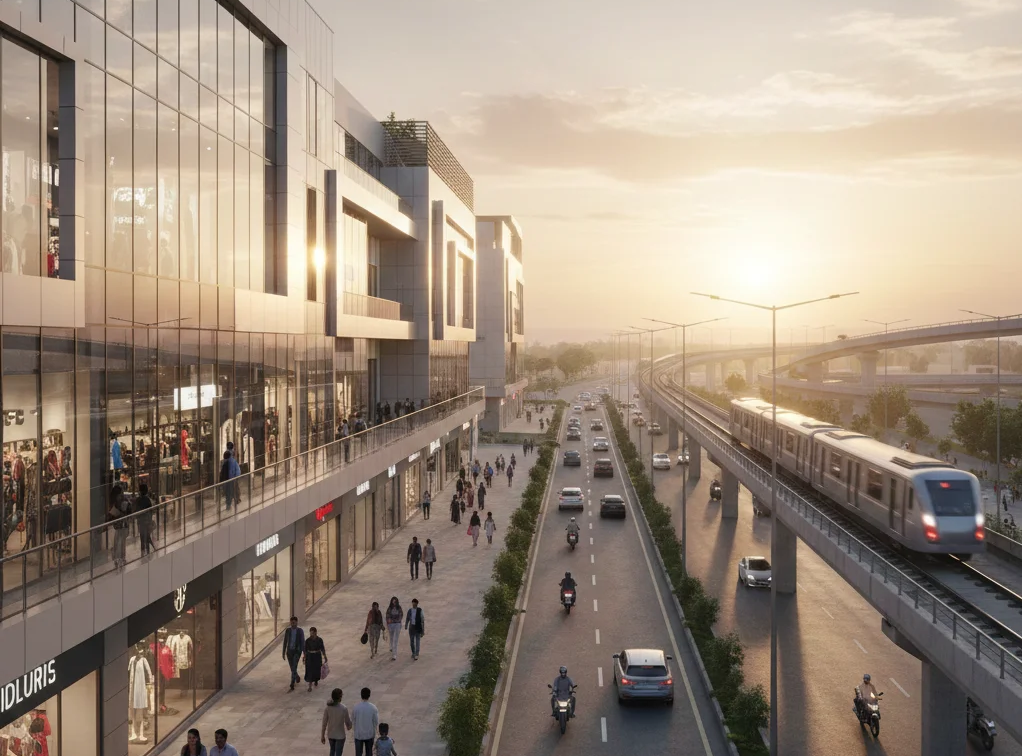
To begin with, infrastructure spending remains the single most important expectation from Budget 2026. Investments in metro rail, highways, airports, and regional rail networks directly improve mall accessibility and high-street viability.
Better roads shorten travel time. Expanded metro networks increase daily footfalls. New airports connect emerging cities to national consumption networks. As a result, infrastructure spending does not just improve mobility. It actively creates new retail catchments.
Retail developers and brands consistently align expansion plans with transport corridors. Therefore, continued public investment in infrastructure can quietly yet powerfully fuel retail real estate growth.
Tier 2 and Tier 3 Cities Drive the Next Retail Cycle
Meanwhile, the retail growth engine now shifts gears. Metro markets approach maturity. Competition intensifies. Rentals stabilise. In contrast, Tier 2 and Tier 3 cities show fresh demand and rising purchasing power.
Consumers in smaller cities now seek branded fashion, organised food courts, multiplexes, and experiential retail. Developers respond with mid-sized malls, neighbourhood shopping centres, and hybrid retail-cum-logistics formats.
However, these formats depend heavily on connectivity. Roads, public transport, and last-mile infrastructure decide success. Hence, Budget 2026 holds the potential to accelerate retail penetration in smaller cities simply by sustaining infrastructure momentum.
Retail Grows Where Connectivity Leads
Retail follows people. More importantly, retail follows connectivity.
Locations near metro stations, highways, and transit hubs consistently outperform isolated developments. Good infrastructure increases visit frequency. It also expands catchment reach. Families travel farther when access feels effortless.
Although the Budget cannot dictate retail geography, it can ensure that capital continues flowing into infrastructure projects that indirectly benefit retail ecosystems. Such an approach supports organic growth rather than forced incentives.
Sustainability Can Shape Future-Ready Retail Assets
Beyond connectivity, sustainability now influences retail real estate decisions. Malls consume energy, water, and resources at scale. Therefore, the industry welcomes incentives that encourage responsible development.
Budget 2026 can link tax benefits or faster approvals to clear benchmarks in energy efficiency, water management, and waste reduction. These measures can promote better design without increasing subsidy burdens.
Efficient malls lower operational costs. Tenants benefit from stable expenses. Consumers enjoy improved environments. Over time, sustainability-led incentives can create stronger, future-ready retail assets across India.
Digital Infrastructure Strengthens Omnichannel Retail
At the same time, physical infrastructure alone no longer suffices. Retail now operates across online and offline platforms. Faster internet speeds and wider 5G deployment, especially in Tier 2 and Tier 3 cities, can transform operations.
Strong digital infrastructure enables real omnichannel models. Stores act as experience centres. Warehouses support faster deliveries. Data-driven inventory planning improves profitability.
Therefore, digital infrastructure investment strengthens physical retail rather than replacing it. Budget 2026 can support this convergence through sustained telecom and broadband expansion.
GST, Taxes, and the Need for Policy Clarity
On the taxation front, retailers seek clarity rather than complexity. Simpler structures reduce friction and improve compliance.
Industry experts suggest a moderate GST reduction on affordable apparel, footwear, and daily-use goods. Such rationalisation can boost volumes and support organised retail in smaller cities. It can also help formal players compete with the informal sector. Additionally, clearer GST credit rules for fit-outs, common areas, and shared services can lower development costs. This clarity encourages developers to invest in quality, safety, and sustainability.
Targeted tax relief measures, including higher deduction thresholds, can further stimulate discretionary spending across fashion, electronics, and food categories.
Expert View: Sanjeev Singh, MD, SKJ Landbase
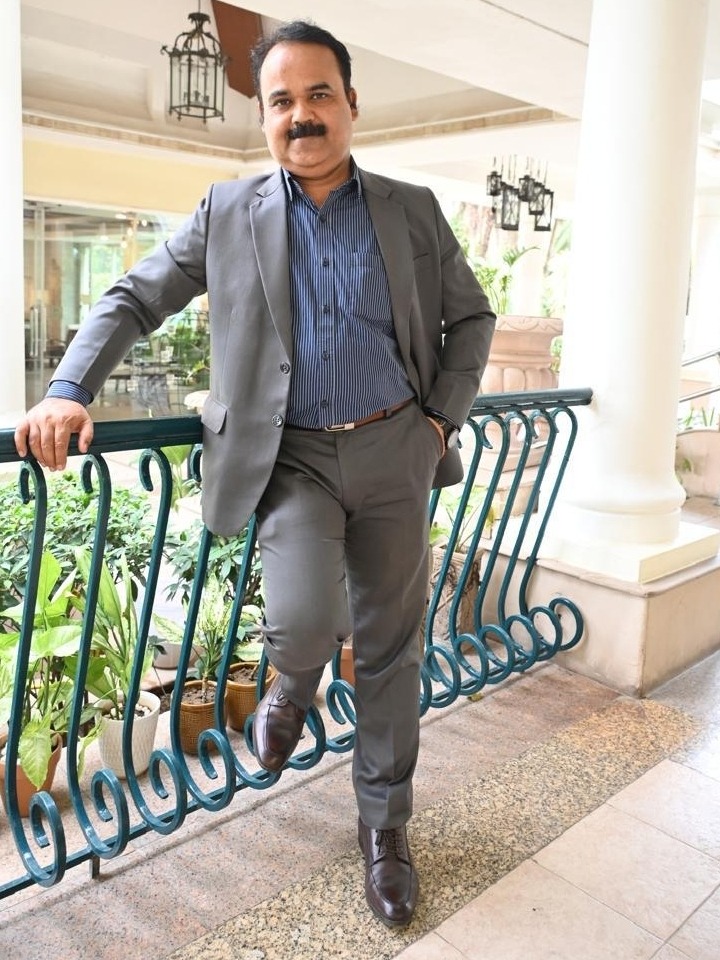
Commenting on the sector’s expectations from Budget 2026, Sanjeev Singh, Managing Director, SKJ Landbase, said:
“Retail real estate stands at a critical inflection point. Infrastructure-led development will determine how fast retail expands into Tier 2 and Tier 3 cities. Budget 2026 can create long-term value by strengthening connectivity, simplifying GST structures, and encouraging sustainable retail development while maintaining fiscal balance.”
His perspective highlights a shared industry belief. Retail does not seek short-term relief. It seeks long-term alignment.
What Budget 2026 Can Deliver for Retail
Ultimately, Budget 2026 carries the opportunity to balance growth with prudence. Infrastructure spending, digital expansion, tax clarity, and sustainability incentives together can shape the next phase of retail real estate.
If policies align well, retail growth will spread beyond metros. Smaller cities will gain organised shopping destinations. Developers will invest with confidence. Consumers will benefit from better access and experiences.
In short, infrastructure-led policy choices today can define India’s retail landscape for years to come.