Budget 2026: CREDAI’s ₹90 Lakh Affordable Housing Push Could Reset India’s Real Estate Market
As Union Budget 2026 approaches, India’s real estate sector has raised a unified and urgent demand. CREDAI, the Confederation of Real Estate Developers’ Associations of India, has asked the government to revisit the definition of affordable housing. The industry body wants a decisive shift. It has proposed increasing the affordable housing price cap from ₹45 lakh to ₹90 lakh.
This demand does not come from speculation. It comes from ground reality. Construction economics have changed. Urban land prices have surged. Input costs have risen sharply. Yet policy benchmarks have remained frozen since 2017. As a result, the gap between affordability on paper and affordability on the ground continues to widen.
Why the ₹45 Lakh Affordable Housing Cap Has Become Outdated
The government introduced the ₹45 lakh cap nearly eight years ago. At that time, land availability remained higher. Raw material costs stayed moderate. Approval timelines stayed shorter. Developers could still deliver quality homes within that range.
Today, the situation looks completely different.
Steel, cement, and labour costs have increased year after year. Compliance expenses have expanded. Land prices in urban and semi-urban markets have multiplied. Even peripheral city zones struggle to offer homes below ₹45 lakh.
CREDAI National President Shekhar Patel addressed this concern directly during the association’s national conclave in Delhi. He stated that the existing cap no longer reflects market reality. According to him, affordable housing needs a practical definition, not an emotional one.
Without revision, developers cannot sustain supply. Buyers lose access. The policy loses relevance.
How Raising the Cap to ₹90 Lakh Helps Buyers, Not Hurts Them
At first glance, ₹90 lakh may not appear affordable. However, affordability depends on income levels, city dynamics, and financing structures. In metros like Delhi NCR, Mumbai, Bengaluru, and Hyderabad, ₹45 lakh barely secures a livable home.
By increasing the cap:
- More buyers can qualify for 1% GST benefits
- Developers can build viable projects
- Construction quality can improve
- Supply can finally match demand
CREDAI National Secretary Gaurav Gupta highlighted a key advantage. Affordable housing attracts only 1% GST. A higher cap allows more projects to fall under this bracket. Buyers save money. Developers regain feasibility. The ecosystem benefits.
Tax Relief for Developers Can Revive Affordable Housing Supply
CREDAI has also urged the government to restore tax incentives for developers building affordable housing projects. In the past, such incentives helped scale supply rapidly. Over time, many benefits expired. Margins shrank. Developers shifted focus toward mid-income and premium segments.
To reverse this trend, CREDAI has proposed:
- Fresh tax incentives for affordable housing developers
- Reduction in GST on works contracts from 18% to 12%
- Policy stability for long-term project planning
These measures can immediately improve project economics. Developers can launch new projects without cutting corners. Buyers can receive better value.
RERA Has Strengthened the Sector, Now Policy Must Catch Up
The real estate sector today operates with far greater transparency. RERA has transformed buyer confidence. Accountability has increased. Delivery timelines have improved. Trust has returned.
According to CREDAI, the sector now grows at a 10–12% compounded annual growth rate. This momentum needs supportive policy frameworks. Outdated definitions slow growth. Practical reforms can accelerate it.
Affordable housing remains the foundation of sustainable real estate growth. Budget 2026 offers the right moment to strengthen that foundation.
Industry Perspective: SKJ Landbase on Budget 2026 Expectations
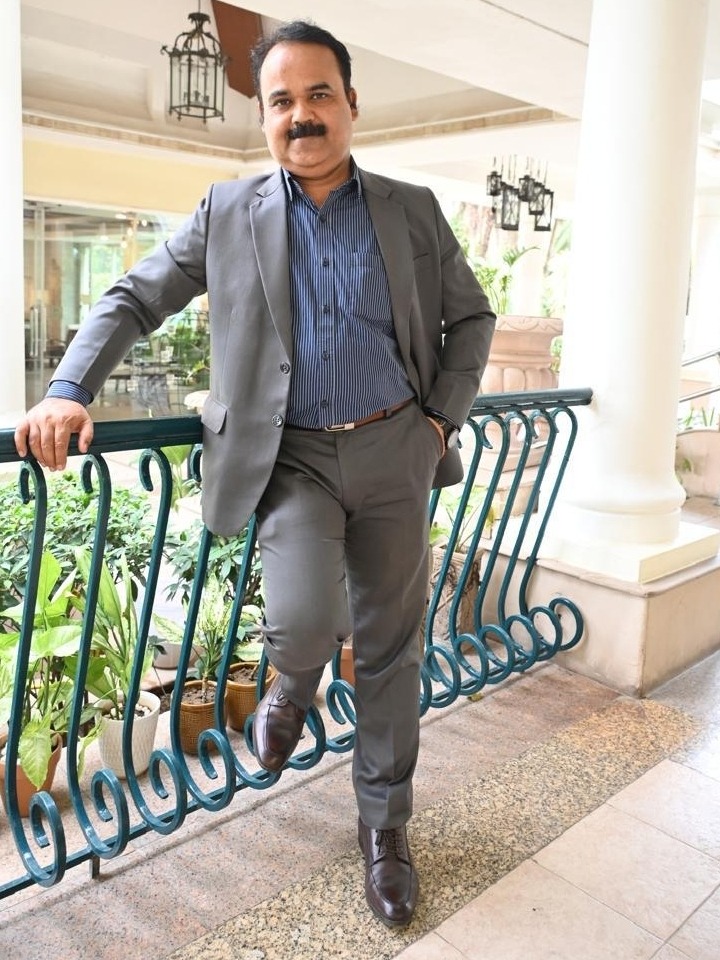
Sanjeev Singh, Managing Director, SKJ Landbase , emphasized the urgency of reform:
Affordable housing cannot function on benchmarks set almost a decade ago. Input costs, land values, and compliance expenses have all changed. Budget 2026 must align affordability definitions with present-day realities. A higher cap and targeted tax relief will revive supply and protect genuine homebuyers.
His statement reflects a broader industry consensus. Developers do not demand concessions. They demand alignment with economic truth.
Sustainability and Green Development Also Remain a Priority
Beyond affordability, CREDAI has also reinforced its commitment to sustainability. The association has announced a target of net-zero carbon emissions by 2047. Members now actively promote green construction practices.
CREDAI has already undertaken large-scale afforestation initiatives. These include 9,000 acres in Nashik and 150 acres in Gurugram. The Hyderabad chapter alone has invested nearly ₹3 crore in environmental efforts.
Affordable housing and sustainability no longer contradict each other. With the right incentives, both can grow together.
Why Budget 2026 Can Become a Turning Point
India’s urban population continues to rise. Housing demand continues to expand. However, affordability continues to shrink under outdated definitions.
Budget 2026 holds the power to reset the equation.
If the government revises the affordable housing cap, restores tax incentives, and rationalizes GST, the sector can unlock massive new supply. Homebuyers can regain access. Developers can plan with confidence. CREDAI has made its position clear. The industry now waits for policy action. A realistic decision today can shape India’s housing market for the next decade.