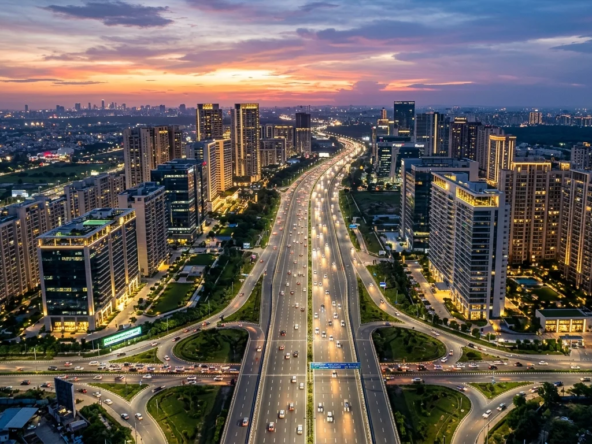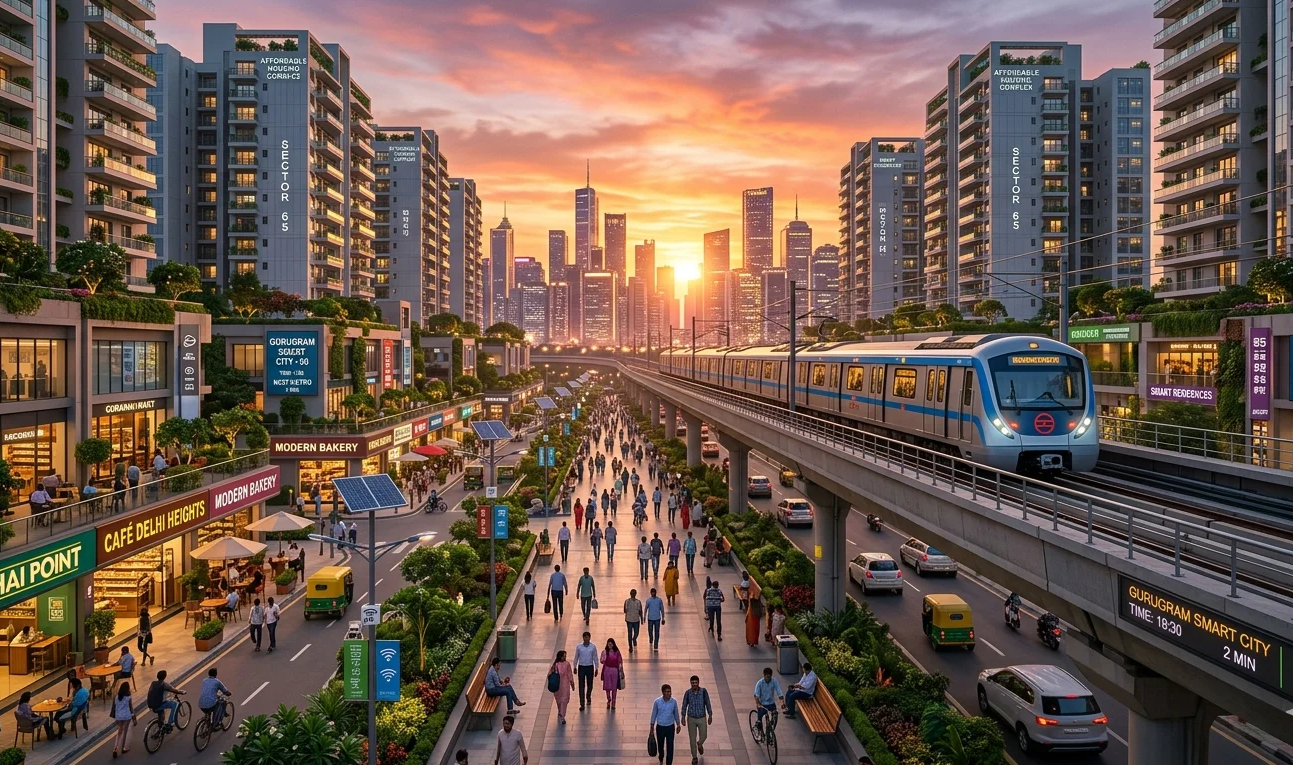
A Bold Step Towards Smarter Cities
India’s real estate sector is entering a transformative phase. The Centre, under the leadership of Housing & Urban Affairs Minister Manohar Lal Khattar, has introduced major reforms in the Transit Oriented Development (TOD) policy. This move focuses sharply on affordable housing, better infrastructure, and sustainable urban growth.
Now, instead of unplanned expansion, cities will grow around metro and rapid transit corridors. As a result, people will live closer to where they commute daily. Naturally, this will reduce travel time and improve overall quality of life.
Moreover, metro systems like the Delhi Metro will become the backbone of urban development. This shift signals a new era for Indian cities.
Understanding TOD: Why It Matters Now More Than Ever
Transit Oriented Development, or TOD, promotes high-density, mixed-use development near public transport hubs. In simple terms, it creates neighborhoods where homes, offices, and retail spaces exist within walking distance of metro stations.
Globally, cities like Tokyo and Singapore already follow this model. Now, India is adopting it at scale. Consequently, TOD will:
- Reduce traffic congestion
- Lower pollution levels
- Increase public transport usage
- Boost real estate demand near transit zones
Clearly, TOD does not just improve infrastructure. It reshapes how people live and move within cities.
The 500-Meter TOD Zone Rule
At the heart of this policy lies a simple yet powerful idea. TOD zones will cover:
- 500 meters on both sides of metro and RRTS corridors
- Nearly 207 square kilometers of urban land
This means large parts of cities will transform into high-density, well-planned urban clusters. Additionally, these zones will prioritize walkability and easy access to transit.
As a result, residents will rely less on private vehicles and more on efficient public transport systems.
Key Policy Reforms That Change Everything
Reduced Minimum Plot Size
Earlier, developers needed at least 1 hectare of land to qualify for TOD benefits. Now, the requirement drops dramatically to 2000 square meters.
This change opens doors for more developers and faster project launches. Consequently, housing supply will increase significantly.
65% Mandatory Affordable Housing
The most impactful reform stands out clearly:
65% of total FAR must be used for residential units up to 100 sq.m.
This ensures a strong focus on affordable and mid-income housing. Therefore, first-time homebuyers will gain better access to homes near metro corridors.
In a market where affordability remains a challenge, this step directly addresses demand.
Mixed-Use Development Becomes Easier
The government has removed strict land-use restrictions within TOD zones. Now:
- Residential, commercial, and retail spaces can coexist
- Around 10% of FAR supports commercial use and amenities
As a result, people can live, work, and socialize within the same locality. This integration improves convenience and reduces daily travel.
Higher FAR for Better Land Utilization
Developers can now construct up to five times the plot size, depending on road width and regulations.
This leads to:
- Taller residential towers
- Efficient land use
- Increased housing inventory
Therefore, cities can accommodate growing populations without expanding outward.
Faster Approvals with Single-Window Clearance
Project delays often slow down real estate growth. However, the new TOD policy addresses this issue directly.
A dedicated TOD committee will:
- Approve projects within 60 days
- Provide a single-window clearance system
Consequently, developers can reduce delays and costs. This will also encourage faster project delivery.
Enhanced Connectivity and Walkability
The policy goes beyond construction. It focuses equally on improving everyday living.
Under TOD reforms:
- Pedestrian-friendly pathways will increase
- Underground and elevated walkways will connect directly to metro stations
- Last-mile connectivity will improve significantly
Thus, residents will enjoy seamless travel from home to transit hubs. Over time, dependence on private vehicles will reduce.
TOD Charges and Infrastructure Development
Developers will pay ₹10,000 per sq.m. as TOD charges. Importantly, authorities will use this fund exclusively for improving TOD zones.
This includes:
- Better roads
- Improved water supply
- Enhanced civic infrastructure
Local agencies will utilize these funds efficiently. Therefore, TOD zones will develop into well-equipped urban spaces.
Why This Policy Benefits Everyone
The TOD reform creates a win-win situation for all stakeholders.
For Homebuyers
- Access to affordable homes near metro stations
- Reduced commuting time
- Better lifestyle and convenience
For Investors
- Rising demand in metro-linked areas
- Strong rental income potential
- Long-term property appreciation
For Developers
- Lower entry barriers due to smaller land requirements
- Faster approvals
- Higher development potential
Clearly, this policy aligns economic growth with urban planning.
Expert Take on the TOD Reform

Sanjeev Singh, MD of SKJ Landbase, explains:
This TOD reform will reshape India’s real estate landscape. The mandate of 65% affordable housing near metro corridors will drive massive end-user demand. At the same time, developers will benefit from higher FAR and quicker approvals. In the coming years, TOD zones will emerge as the most attractive investment destinations.
The Future of Urban India
India’s cities are evolving rapidly. With TOD reforms in place, urban growth will become more structured and sustainable.
Looking ahead:
- Metro corridors will turn into prime residential and commercial hubs
- Affordable housing supply will expand significantly
- Urban congestion will decrease
Most importantly, people will enjoy a better balance between work, home, and travel.
Final Thoughts
The Centre’s TOD policy reform marks a turning point for urban development in India. By mandating 65% affordable housing and focusing on metro corridors, the government has created a strong foundation for future growth.
Now, cities will no longer expand randomly. Instead, they will grow intelligently around transit systems like the Delhi Metro.
Ultimately, this shift will deliver smarter cities, better lifestyles, and stronger real estate opportunities for everyone.