A New Real Estate Growth Cycle Begins
India’s real estate market is entering a powerful new phase. However, this time the spotlight does not remain on traditional metro cities. Instead, Tier-2 and Tier-3 cities now stand at the center of the next big growth story.
The Union Budget 2026 has pushed this shift even further. The government has announced several infrastructure initiatives that target regional urban development. As a result, real estate experts expect land prices in many emerging cities to rise sharply.
land prices in select corridors of Tier-2 and Tier-3 cities could increase between 25% and 100% over the next two to four years. Clearly, infrastructure expansion has started shaping the future of India’s property market.
Moreover, cities such as Bhubaneswar, Cuttack, Erode, Puri, Varanasi, and Visakhapatnam may lead the next real estate growth cycle.
Budget 2026 Brings Big Opportunities for Emerging Cities
First of all, the Union Budget has introduced a major concept known as City Economic Regions (CERs). Through this plan, the government intends to transform emerging urban centers into strong economic hubs.
Each CER will receive an allocation of ₹5,000 crore over five years. Authorities will distribute these funds through a competitive “challenge mode” system. Consequently, cities will compete to present the most impactful development plans.
Because of this funding model, infrastructure growth will accelerate across many smaller cities.
Furthermore, improved connectivity, better logistics networks, and stronger economic clusters will create a favorable environment for real estate development. Once infrastructure expands, residential and commercial demand usually follows quickly.
Therefore, developers, investors, and homebuyers have started monitoring these cities closely.
Infrastructure Will Directly Boost Land Prices
Infrastructure has always played a major role in real estate appreciation. Now the same pattern appears in emerging cities as well.
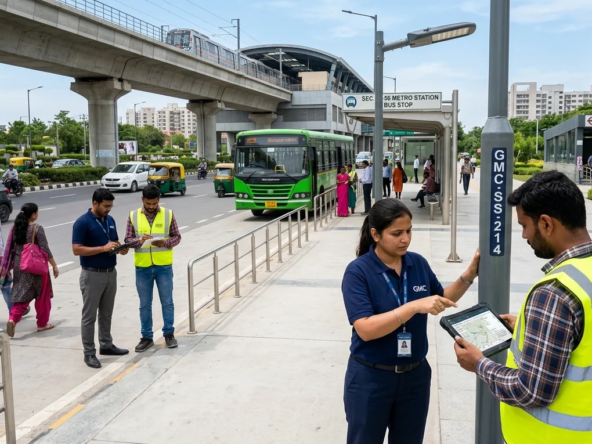
For example, properties located within 500 meters to 1 kilometer of metro corridors often command a premium. Prices in these zones can rise between 8% and 25% even before full completion.
Additionally, once metro lines become operational, the surrounding corridor can see 15% to 40% appreciation in property values.
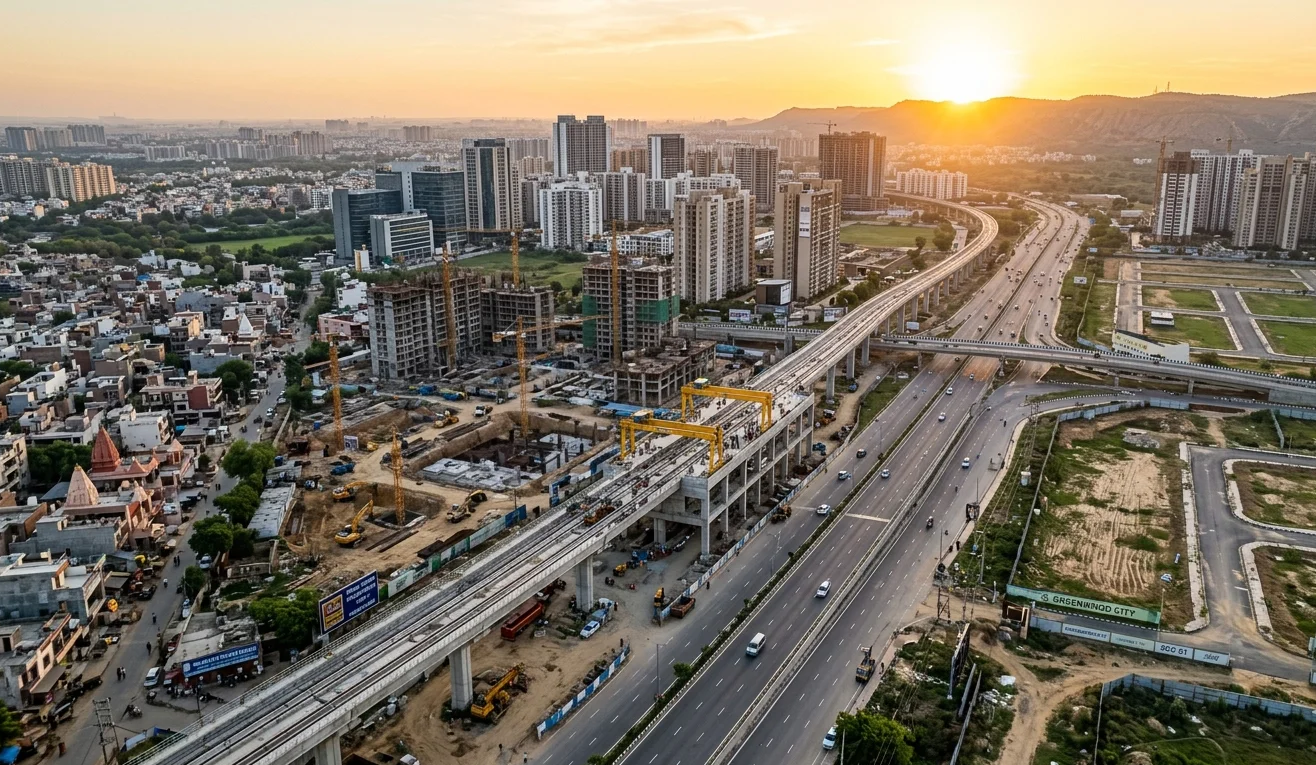
Similarly, large infrastructure projects like airports, expressways, and logistics hubs trigger even stronger growth. Land prices near these developments often rise 30% to 70% from the announcement stage to completion.
Therefore, early investors usually gain the most benefit.
Plotted Developments May See the Highest Appreciation
Another interesting trend has started emerging in these markets. Plotted developments and land parcels have begun attracting strong demand.
Unlike ready apartments, land markets react faster to infrastructure announcements. Buyers quickly anticipate future development potential.
Because of this, peripheral micro-markets near major infrastructure projects may witness appreciation exceeding 80% to 100% over multiple years.
Furthermore, industrial corridors and logistics hubs create employment opportunities. As jobs grow, housing demand rises naturally. Consequently, land values increase steadily.
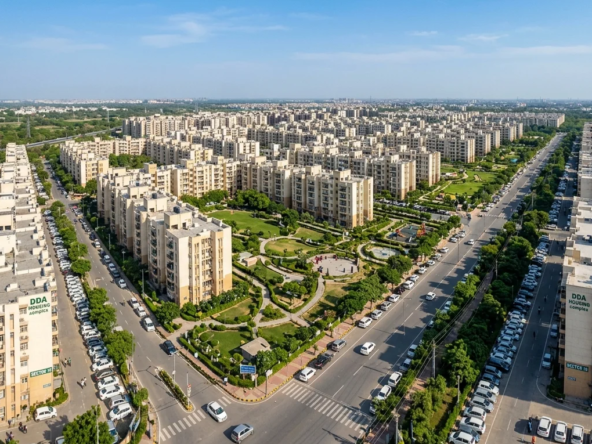
In addition, improved road connectivity and expanding city boundaries open new residential corridors. Developers then launch township projects, plotted communities, and integrated developments in these areas.
End-User Demand Is Driving Housing Growth
Interestingly, the housing demand in Tier-2 and Tier-3 cities differs from the patterns seen in metro markets.
In many emerging cities, salaried end-users drive most of the demand. Investors no longer dominate these markets.
For example:
- Homes priced ₹30 lakh to ₹60 lakh attract first-time buyers
- Properties between ₹60 lakh and ₹1 crore appeal to mid-segment buyers
- Homes priced ₹1 crore to ₹1.5 crore attract aspirational buyers
As incomes grow and mortgage affordability improves, more families now choose homeownership instead of renting.
At the same time, banks offer easier financing options. Lower interest rates also support the buying sentiment.
Consequently, the ₹50 lakh to ₹1 crore housing segment may see the strongest growth in the coming years.
Employment Growth Will Strengthen Real Estate Demand
India’s economic expansion also supports this emerging trend.
The government plans to revive more than 200 legacy industrial clusters across the country. In addition, initiatives such as Semiconductor Mission 2.0 and investments in electronics, chemicals, and advanced manufacturing will create large-scale employment opportunities.
Naturally, when industries expand into new regions, workers and professionals follow.
As a result, residential demand increases around these employment hubs. Meanwhile, businesses require office spaces, warehouses, and logistics centers.
This combined growth builds a powerful ecosystem that strengthens both residential and commercial real estate markets in emerging cities.
Tier-1 Cities Are Reaching Saturation
Another factor driving this shift involves the maturity of metro markets.
Major Tier-1 cities such as Delhi, Mumbai, and Bengaluru have already experienced years of strong growth. Land availability has decreased significantly. Prices have also reached very high levels.
Therefore, developers and investors now search for new growth territories.
Tier-2 and Tier-3 cities provide exactly that opportunity. They offer lower entry prices, improving infrastructure, and rising employment potential.
Consequently, these cities may dominate India’s next real estate expansion cycle.
Expert Insight from Industry Leaders

According to Sanjeev Singh, MD of SKJ Landbase, infrastructure development will play a decisive role in shaping the future of India’s real estate market.
He explains:
India’s real estate sector is entering a structurally driven growth phase. Infrastructure expansion, employment generation, and economic stability are creating new opportunities beyond metro cities. Tier-2 and Tier-3 markets will emerge as powerful growth engines in the coming years. For investors and homebuyers looking for long-term appreciation, these cities offer significant potential.
His observation highlights a major transformation already underway in the property market.
The Road Ahead for Investors and Homebuyers
Clearly, the coming years may redefine India’s real estate landscape.
Government infrastructure spending of ₹12.2 lakh crore in public capital expenditure will continue supporting economic growth. Simultaneously, improved connectivity will unlock new development corridors across the country. Because of these factors, Tier-2 and Tier-3 cities may deliver strong capital appreciation.
For investors, early entry into infrastructure-driven locations can offer substantial long-term gains. For homebuyers, these cities present an opportunity to own property in emerging economic hubs before prices climb significantly.
In short, the next big real estate boom in India may not start in metros. Instead, it may begin quietly in the rapidly growing cities that stand just beyond them.