Haryana’s Mega Destination Wedding Hub in Manesar: A New Economic Vision
Haryana is preparing to reshape North India’s wedding economy with a bold infrastructure project. The state government has proposed a 250-acre integrated destination wedding hub in Manesar.
The initiative aims to organize the massive but scattered wedding service market into a single, structured ecosystem. At present, North India’s wedding industry is estimated to be worth around ₹10 lakh crore annually. However, most transactions still happen through unorganized vendors.
Therefore, the Manesar project plans to bring efficiency, luxury, and business scalability together.
Chief Minister Nayab Singh Saini emphasized that Haryana has the infrastructure and geographical advantage to become a premium wedding tourism destination.
Over time, this project may position Manesar as a strong competitor to global wedding cities such as Jaipur and Udaipur.
Creating a Complete Wedding Experience Under One Roof
The primary objective of this project is simple. It aims to provide a one-stop solution for weddings.
Families travelling from other states will be able to complete almost every wedding-related requirement inside the campus.
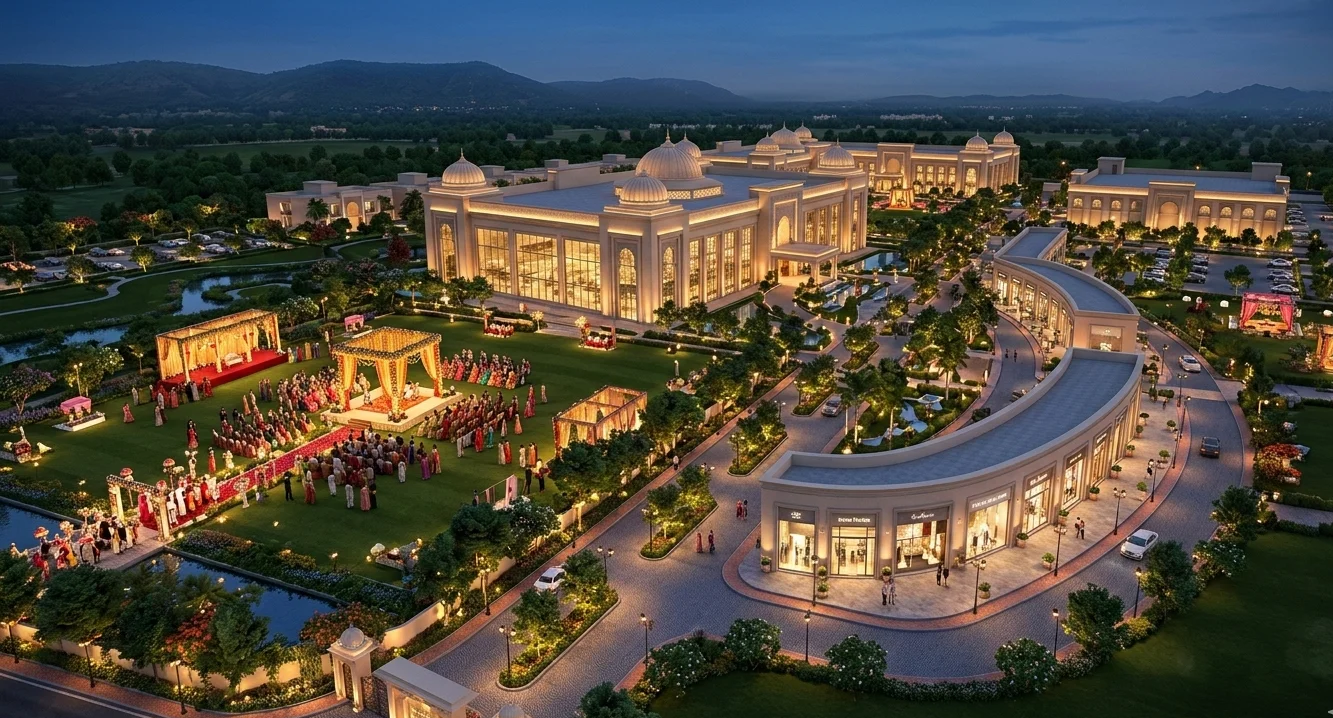
The proposed ecosystem will include both luxury and budget accommodation facilities. This approach ensures accessibility for guests from different economic backgrounds. The development plan also includes banquet halls, convention centers, and beautifully landscaped lawns suitable for large celebrations.
In addition, the hub will host a dedicated wedding shopping zone. This market may feature jewellery stores, bridal couture brands, designer boutiques, and traditional wedding wear outlets. Event service providers will also operate inside the complex.
Florists, décor specialists, caterers, event planners, singers, and performing artists will be available for booking. The design concept focuses on reducing coordination complexity. Instead of managing multiple vendors across cities, families can handle everything inside a single destination.
Luxury experience elements are also being explored.
For example, helicopter entry arrangements for grand wedding ceremonies are being considered during the planning stage.
Supporting Rural Economy and Cultural Heritage
The project also carries strong social inclusion objectives.
Special commercial zones may be created for rural food entrepreneurs and traditional artists.
Women from rural communities may get space to prepare regional cuisines using traditional cooking methods such as earthen stoves. This strategy helps preserve India’s culinary heritage while generating sustainable employment opportunities. Local folk musicians, dance performers, and craftsmen are expected to benefit from regular event bookings.
Such integration ensures that modernization does not eliminate traditional cultural expressions.
Instead, the project attempts to create a balance between premium luxury services and indigenous art forms.
Infrastructure-First Development Strategy
The government plans to develop the wedding hub in phases.
The first phase will focus on essential infrastructure.
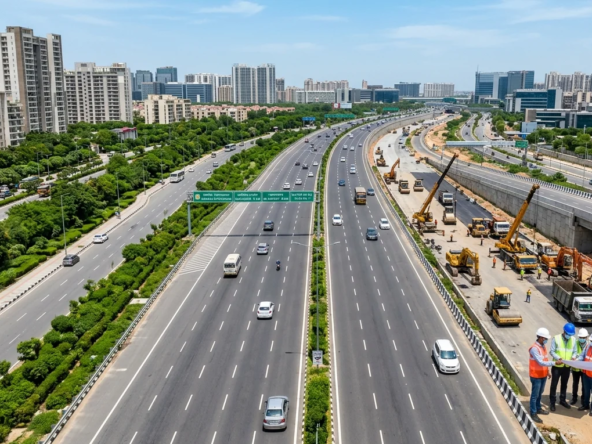
Road connectivity, internal transportation systems, parking facilities, water supply, and power distribution networks will be constructed before commercial operations begin. This strategy is important because destination wedding hubs require smooth visitor movement. Manesar’s location near Gurugram and Delhi NCR strengthens its commercial viability.
The area already enjoys excellent highway connectivity and access to major urban business centers.
This geographic advantage may help the project attract customers from across North India.
Economic Growth, Jobs and GST Expansion
The destination wedding hub is expected to generate significant economic activity.
Officials believe the project will create thousands of direct and indirect employment opportunities.
Job sectors likely to benefit include hospitality management, retail operations, logistics, entertainment services, and event planning. The organized commercial zone may also improve GST compliance. Since wedding expenses are large but often fragmented in unorganized markets, centralized operations could help formalize financial transactions.
The government expects the hub to contribute positively to state revenue collection in the long term.
Expert View: Future of Luxury Wedding Tourism
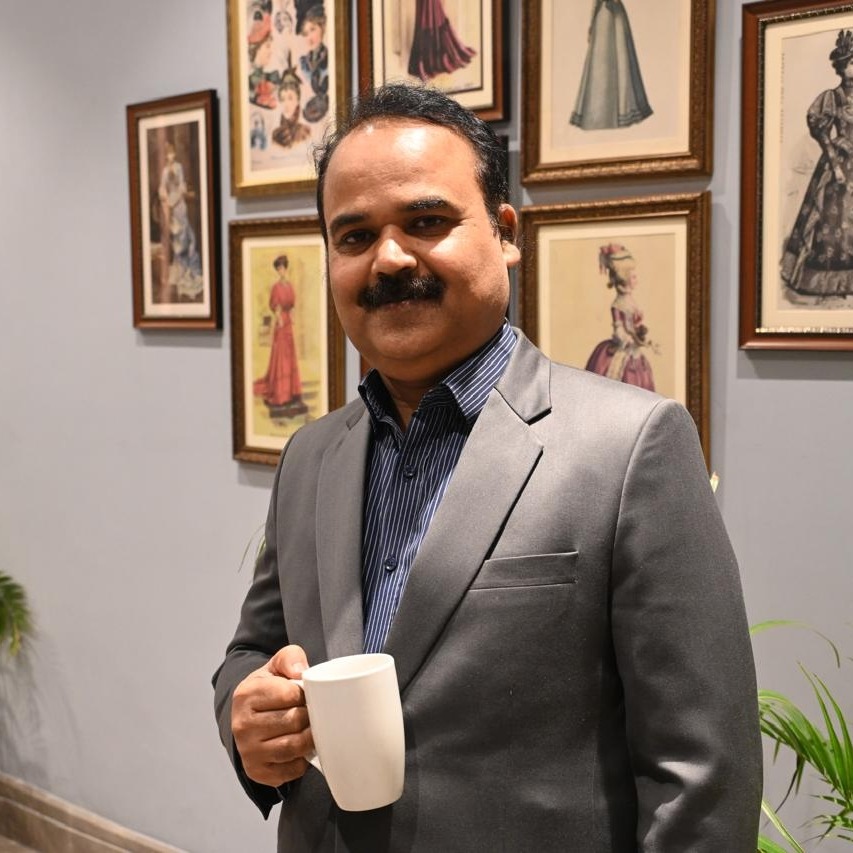
Speaking about the project’s significance, Sanjeev Singh, MD of SKJ Landbase, shared an important perspective.
He said, “Destination wedding hubs represent the future of experiential luxury economy in India. Projects like the Manesar wedding destination can redefine North India’s real estate and hospitality growth. When infrastructure, culture, and commerce converge, they create long-term urban value.”
His statement reflects the growing belief that wedding tourism will become a major driver of real estate and service-sector expansion.
A New Identity for Haryana’s Celebration Economy
If successfully executed, the Manesar wedding hub may transform Haryana’s tourism identity.
The project is not only about luxury ceremonies but also about building an organized celebration economy. It can attract domestic and international wedding events. Corporate gatherings, cultural festivals, and high-profile social ceremonies may also use the facility.
The long-term vision is to create a global benchmark for destination wedding infrastructure in India.
The Road Ahead
The destination wedding hub project represents a forward-looking development model.
By combining hospitality, culture, retail, and entertainment, Haryana is planning to build a complete celebration city. As North India’s wedding market continues to grow, Manesar may emerge as a global destination for grand celebrations. The success of this project will depend on efficient execution, infrastructure quality, and private sector participation.
If implemented properly, this wedding hub could become a symbol of modern economic planning blended with cultural heritage.