Gurugram Metro’s Smart Revenue Plan: How Land & Real Estate Can Secure Its Future
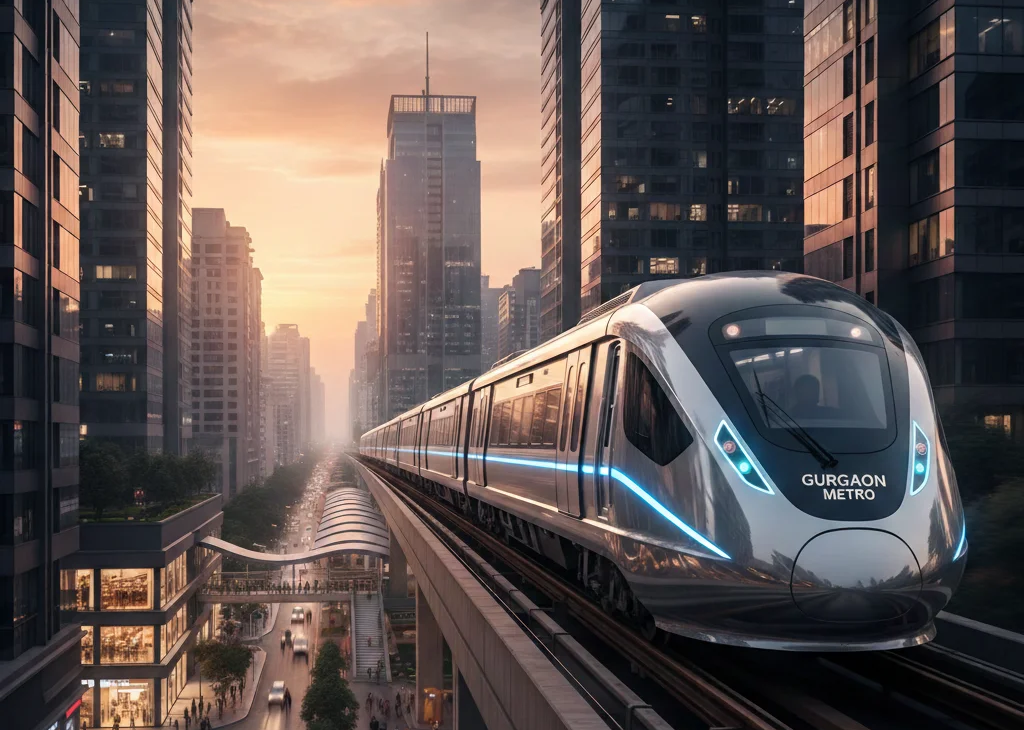
Gurugram’s metro expansion has entered a decisive phase. This time, the focus goes beyond tracks and stations. Instead, planners now look at land and real estate revenue as a long-term solution to strengthen metro finances.
As urban infrastructure grows more expensive, cities like Gurugram must think smarter. And this shift toward value capture and transit-oriented development (TOD) signals exactly that.
Why Metro Projects Can’t Depend Only on Fares Anymore
First, let’s be honest. Ticket revenue alone no longer supports large metro systems. Construction costs keep rising. Operational expenses follow the same path. Meanwhile, fare hikes remain politically and socially sensitive.
Because of this, cities across India now explore non-fare revenue models. Gurugram has joined this list at the right time.
Moreover, metro corridors naturally increase land value. Residential demand rises. Commercial interest follows. Retail footfall grows. Ignoring this opportunity makes little financial sense.
Land Along Metro Corridors: A Missed Opportunity No More
Recently, the Haryana Shahari Vikas Pradhikaran (HSVP) asked its Gurugram zonal office to examine land parcels along the metro route. The goal remains simple yet powerful.
Use land for commercial and real estate development. Monetise it. Strengthen Gurugram Metro Rail Limited’s (GMRL) finances.
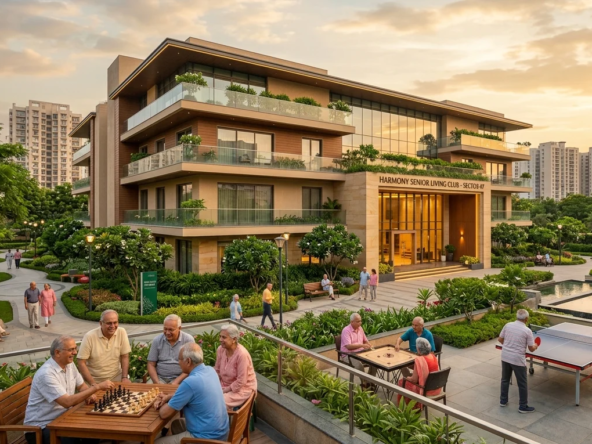
Importantly, this step came after a formal request from GMRL last year. The proposal focuses on allocating suitable land near stations for offices, retail spaces, parking hubs, and mixed-use projects.
As a result, the metro stops acting only as a transport system. It becomes a revenue-generating urban asset.
Transit-Oriented Development: Turning Movement into Money
Transitioning from land allocation, planners now emphasise Transit-Oriented Development (TOD). TOD encourages dense, mixed-use development within 500–800 metres of metro stations.
This approach creates multiple benefits at once.
It improves walkability.
It reduces car dependency.
And most importantly, it increases land value.
Under Haryana’s TOD policy, developers gain higher FAR and flexible land use. In return, authorities collect fees. These funds then support metro construction and operations.
Consequently, growth around metro stations directly helps pay for the metro itself.
Value Capture: How the Numbers Actually Work
Now comes the crucial part. Authorities calculate TOD benefits through land value capture mechanisms.
First, planners assess property prices before metro notification.
Next, they reassess prices after project approval or execution.
Then, they measure the value jump.
After that, they monetise extra FAR, retail potential, advertising space, parking revenue, and station footfall. Each element contributes to a diversified income stream.
Unlike random taxation, this method stays fair. Only those who gain from metro-led appreciation contribute financially.
Clear Rules, Clear Ownership, Clean Execution
Transparency remains critical. GMRL cannot claim private land or automatic rights. Every land allocation requires approvals from HSVP, planning authorities, and the state government.
Land transferred for development will vest with the metro corporation. Meanwhile, FAR benefits will route through the Department of Town and Country Planning.
This structure ensures accountability. It also protects public interest while encouraging infrastructure-led growth.
Gurugram Metro Phases: Progress on the Ground
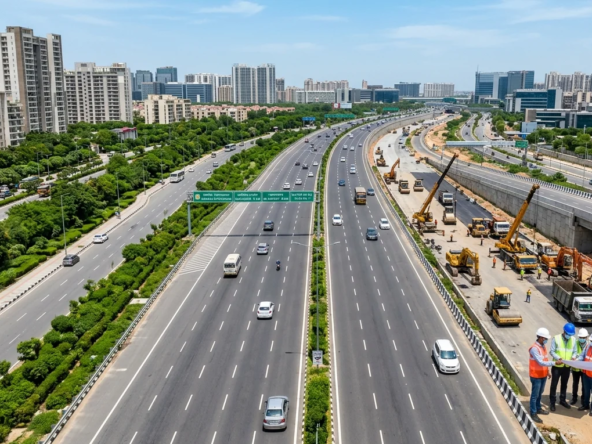
Meanwhile, construction continues steadily.
Phase one, connecting Millennium City Centre to Sector 9, has already started.
At the same time, tendering for phases two and three stands in its final stages.
Once completed, the corridor will connect Millennium City Centre to Cyber City via Old Gurugram, with a spur toward Dwarka Expressway. This alignment alone promises massive real estate uplift.
Expert View: Why This Model Makes Sense
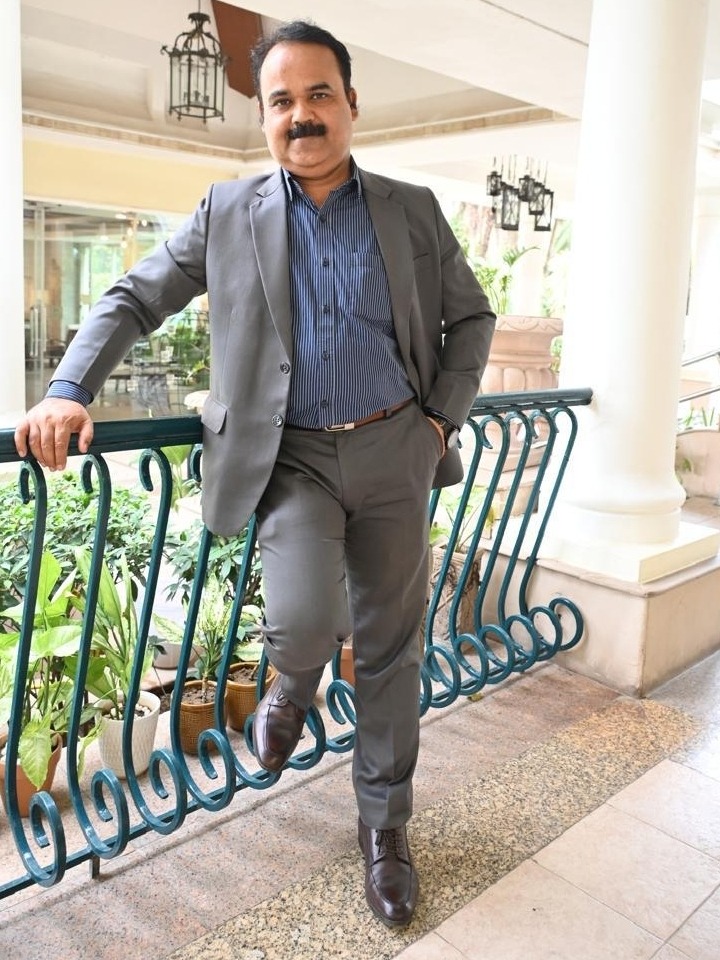
Sanjeev Singh, Managing Director, SKJ Landbase, believes this strategy aligns with Gurugram’s future.
“Metro corridors don’t just move people. They move economies. When cities capture the land value created by infrastructure, they unlock sustainable funding without burdening taxpayers. Gurugram’s approach can become a benchmark for future urban projects in India.”
His insight highlights a key truth. Smart planning multiplies returns far beyond transport.
A Win-Win for the City and Its People
Ultimately, this model benefits everyone.
The metro gains financial stability.
Developers gain structured growth zones.
Residents gain better infrastructure and urban quality.
More importantly, Gurugram sets an example. It shows how infrastructure, planning, and real estate can work together, not in silos.
As Indian cities continue to expand, such integrated thinking will decide which metros thrive and which struggle.