Budget 2026: Why Senior Living Real Estate Needs Policy Support Now
India is ageing faster than most people realise.
Life expectancy continues to rise. Family structures continue to shrink. Urban migration continues to pull younger generations away from home. As a result, senior living real estate has moved from a “nice-to-have” concept to a national priority. Ahead of Union Budget 2026, developers, operators, and care providers have raised a clear demand. They want recognition. They want financial innovation. And above all, they want dignity and affordability for India’s elderly population.
The coming budget has the power to shape how India ages.
India’s Demographic Shift Is Driving New Housing Needs
To begin with, India’s senior population continues to expand rapidly. By 2030, more than 200 million Indians will be above the age of 60. This shift has already started reshaping housing demand across cities.
Seniors today no longer want isolation or dependency. Instead, they seek safety, medical access, social connection, and independence under one roof. Therefore, senior living communities now blend housing, healthcare, and lifestyle services.
However, despite rising demand, the sector still lacks clear policy backing. This gap slows down expansion and keeps quality supply limited.
Affordability Remains the Biggest Roadblock
Next comes the most pressing challenge monthly affordability.
Senior living expenses often range between ₹50,000 and ₹60,000 per month. At the same time, most retirees depend on fixed deposits, pensions, or small savings. Unfortunately, these instruments rarely generate enough monthly income to cover care and living costs.
As a result, many seniors hesitate to move into organised senior housing, even when they need it.
That is exactly why industry leaders now seek pension-linked, tax-efficient payout products. Such products can help seniors convert their retirement corpus into predictable monthly income.
This single reform can bridge the affordability gap.
Pension-Linked Payout Models Can Unlock Scale
Globally, countries like the US and parts of Europe already use pension-backed senior living models. These systems allow retirees to deploy their full retirement savings and receive steady payouts for life.
India can adopt a similar approach.
Subhankar Mitra, independent consultant and former MD of Colliers India, strongly supports this idea. He believes policymakers must look beyond healthcare benefits and focus on cash-flow certainty for seniors.
According to him, pension funds that route payouts directly to senior care providers can support both affordability and responsible sector growth. These models also give developers predictable revenues, which encourages long-term investment.
Clearly, pension-linked support can transform the entire ecosystem.
Why Infrastructure Status Is Critical for Senior Living
At the same time, the industry continues to push for infrastructure status for senior living real estate.
This demand carries strong logic.
Infrastructure status improves access to low-cost, long-term financing. It also attracts institutional and global capital. Moreover, it allows developers to plan projects with longer gestation periods.
Rajit Mehta, MD & CEO of Antara Senior Care, believes infra status can unlock quality capacity creation across Indian cities. He also highlights the need for a dedicated nodal agency to bring policy clarity across states.
Without these steps, the sector will struggle to meet rising demand.
Reverse Mortgages Can Restore Senior Independence
In addition to pensions, reverse mortgage norms also need urgent reform.
Currently, seniors can unlock only a limited share of their property value. Industry leaders want this limit raised to up to 80%, regardless of city tier.
Such a move can dramatically improve financial independence. Seniors can fund care without selling their homes. Families can reduce dependency. Most importantly, elderly homeowners can age with dignity.
This reform alone can benefit millions.
Senior Living Is About Lifestyle, Not Just Care
Importantly, senior living has evolved beyond basic medical support.
Shreya Anand, Director at Vedaanta Senior Living, observes that seniors now prioritise autonomy, engagement, and purpose. They want active communities. want wellness-driven design. They want meaningful daily routines.
Meanwhile, assisted living and at-home care insurance coverage remains limited. Ishaan Khanna, CEO of Antara Assisted Care Services, calls this the biggest affordability barrier for families today.
Without insurance support, care costs remain out of reach for many.
Building a Skilled Elder-Care Workforce
Furthermore, buildings alone cannot solve the problem.
India needs trained caregivers, standardised norms, and formal recognition of caregiving as a skilled profession. Large-scale training in geriatric care can improve service quality and employment opportunities.
Experts also stress the need to strengthen senior care in rural and semi-urban areas. Age-safe public spaces, accessible transport, and senior-friendly jobs can keep older citizens active and included.
A complete ecosystem matters.
Industry Perspective: Sanjeev Singh, MD, SKJ Landbase
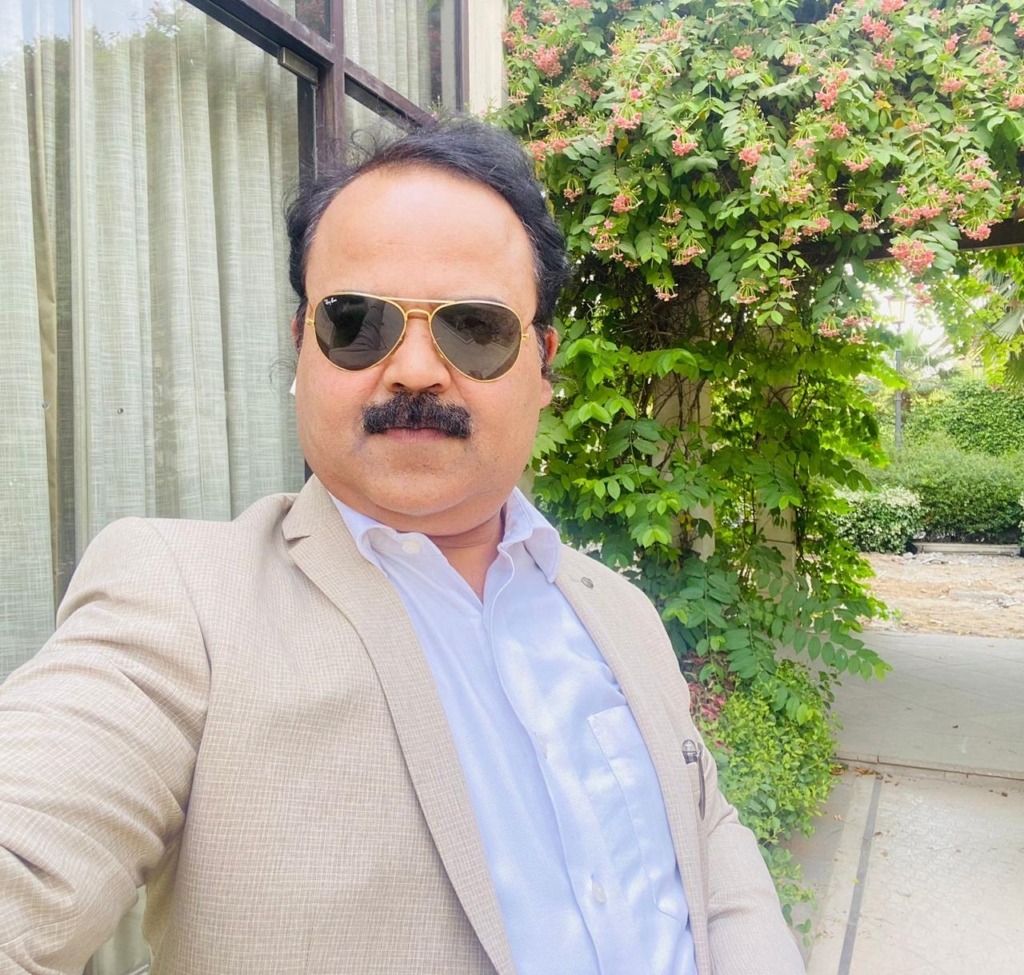
Sanjeev Singh, Managing Director of SKJ Landbase, believes Budget 2026 can define the future of senior housing in India.
“Senior living real estate needs decisive policy support. Pension-linked payouts and infrastructure status can make elder care affordable while attracting long-term capital. Budget 2026 must plan today for India’s ageing tomorrow.”
His view reflects growing industry consensus.
Final Take: Budget 2026 Must Think Ahead
In conclusion, senior living real estate stands at a turning point.
Demand continues to rise. Investor interest continues to grow. Yet policy gaps continue to hold the sector back.
Budget 2026 can change this narrative. With pension-linked products, infrastructure status, insurance reform, and workforce development, India can build a dignified, scalable, and future-ready senior living ecosystem.
The moment to act has arrived.