Delhi–Bawal RRTS Extension: A Game Changer for Gurugram and South Haryana Real Estate
India’s urban transport story just added an important chapter. The government has approved the Delhi–Bawal RRTS corridor in Phase 1, replacing the earlier plan that ended at Dharuhera. This decision reshapes mobility, regional growth, and real estate dynamics across Gurugram and South Haryana.
More importantly, this move signals long-term confidence in the Delhi–Jaipur economic belt. Let’s break down what this means and why it matters.
What Is the Delhi–Bawal RRTS Corridor ?
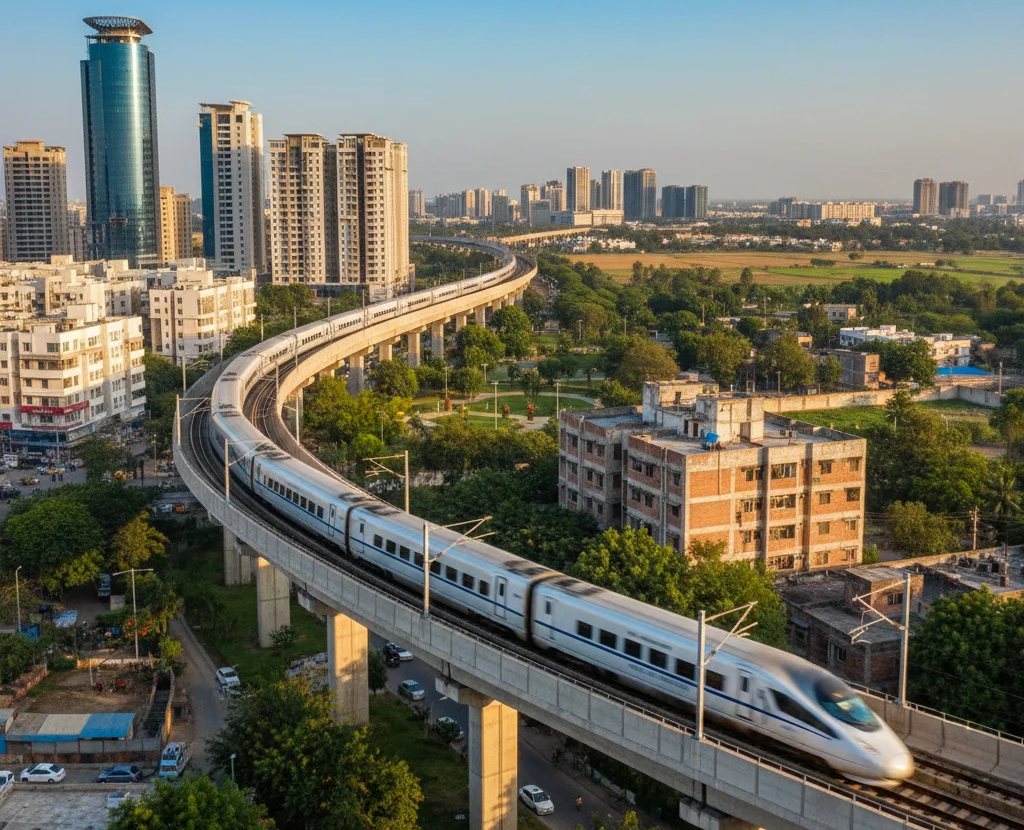
The Delhi–Alwar Namo Bharat RRTS corridor will now run from Sarai Kale Khan in Delhi to Bawal in Haryana in the first phase. Authorities will take the project further toward Behror in Rajasthan in Phase 2.
The National Capital Region Transport Corporation (NCRTC) will execute the project. The total corridor length will span 102 kilometres, and the government will invest around ₹35,000 crore.
Construction is expected to begin in August 2026, while commissioning is targeted for November 2031.
Why the Extension from Dharuhera to Bawal Matters
Earlier plans limited the RRTS stretch to Dharuhera. However, policymakers revised the alignment after strong demand from regional leaders.
Bawal sits deeper in South Haryana. It connects industrial zones, residential clusters, and employment hubs. Therefore, extending the RRTS up to Bawal solves multiple challenges at once.
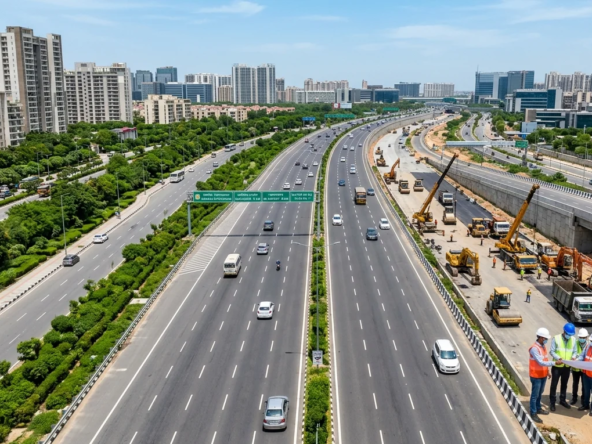
First, it reduces pressure on the Delhi–Jaipur Highway (NH-48). Second, it brings high-speed transit closer to emerging towns. Third, it spreads growth beyond saturated micro-markets.
As a result, the entire region benefits.
Big Relief for Daily Commuters
Daily commuters struggle with long travel hours between Delhi, Gurugram, Rewari, and Bawal. Traffic congestion eats into productivity and quality of life.
The RRTS changes this equation.
With semi-high-speed trains, commuters will cover long distances in significantly less time. People will also enjoy better punctuality and comfort. In addition, the system will offer seamless integration with other transit networks.
Because of this, professionals can live farther from Delhi without sacrificing convenience.
Real Estate Impact on Gurugram and South Haryana
Infrastructure always shapes property markets. The Delhi–Bawal RRTS will do exactly that.
Firstly, southern Gurugram sectors will see stronger demand. Areas near NH-48 and upcoming RRTS stations will attract end users and investors.
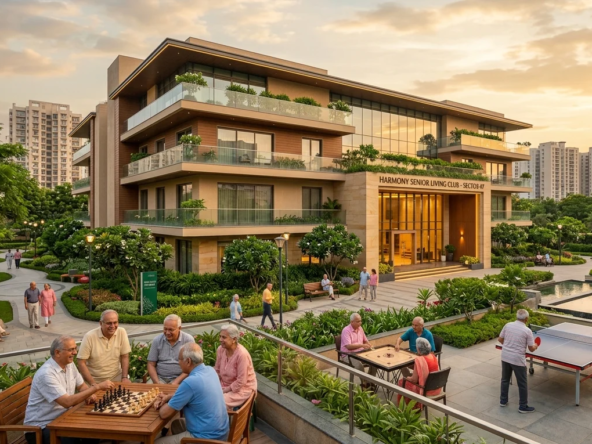
Secondly, Dharuhera, Bawal, and Rewari will emerge as serious residential alternatives. These locations already offer affordable land and housing. Now, fast connectivity adds a strong advantage.
Thirdly, developers will plan integrated townships near the corridor. Buyers will get better homes at better prices, while developers gain scale.
A Strategic Push for Balanced NCR Growth
For years, growth in NCR remained uneven. Delhi and central Gurugram absorbed most of the pressure. Meanwhile, peripheral regions waited for infrastructure.
This RRTS extension changes that pattern.
By linking Delhi directly to Bawal, the government encourages decentralised development. Industrial areas in South Haryana will gain better access to talent. Residential clusters will grow with planning, not chaos.
Consequently, the region moves toward sustainable urban expansion.
Industry Insight: What Experts Are Saying

Sanjeev Singh, Managing Director, SKJ Landbase, shared his perspective:
“The Delhi–Bawal RRTS approval marks a structural shift in NCR growth. South Gurugram, Dharuhera, and Bawal will no longer remain secondary markets. This corridor will unlock real end-user demand, improve livability, and create strong appreciation potential over the next decade.”
His view reflects growing optimism across the industry.
What This Means for Investors and Homebuyers
If you plan to invest, timing matters.
Early movers usually benefit the most from infrastructure-led growth. Land parcels and residential projects near proposed RRTS stations will likely see steady appreciation.
For end users, this corridor offers a chance to upgrade lifestyle. You get cleaner surroundings, shorter commutes, and better long-term value.
Therefore, buyers should track upcoming launches along the corridor closely.
The Road Ahead
The Delhi–Bawal RRTS extension represents more than a transport upgrade. It acts as a growth engine for Gurugram and South Haryana.
As construction progresses, confidence will rise. Development will follow connectivity. And real estate will respond with new opportunities.
In the coming years, this corridor will redefine how people live, work, and travel across NCR.
One decision. Multiple transformations.