From Elie Saab to Four Seasons: Why India’s Ultra-Rich Are Betting Big on Branded Residences
India’s ultra-rich are redefining what luxury living truly means. The aspiration has moved far beyond marble floors, imported fittings, or sheer apartment size. Today, the real marker of luxury is brand-backed living, where homes carry the signature of globally celebrated names such as Elie Saab, Four Seasons, Armani/Casa, Jacob & Co, and Westin.
Across key markets like Mumbai, Gurugram, and Noida, branded residences are rapidly emerging as the most coveted addresses. This surge reflects a deeper shift in buyer mindset from viewing homes purely as assets to embracing them as expressions of identity, status, and global belonging.
A Wealth Boom That’s Reshaping Luxury Housing
At the heart of this transformation lies India’s expanding wealth base. According to the 2024 UBS Billionaire Ambitions Report, India is now home to 185 billionaires, with their collective wealth surging 263% to $905.6 billion over the past decade.
Adding to this momentum, Knight Frank projects that India’s high-net-worth population will grow by 9.4% by 2028. This sustained rise highlights the country’s strong economic trajectory, deeper capital formation, and increasing participation in global wealth creation.
This new cohort of wealthy Indians thinks internationally, travels extensively, and benchmarks luxury against global standards. For them, luxury is no longer regional it is borderless and brand-led.
Why Branded Residences Feel Different
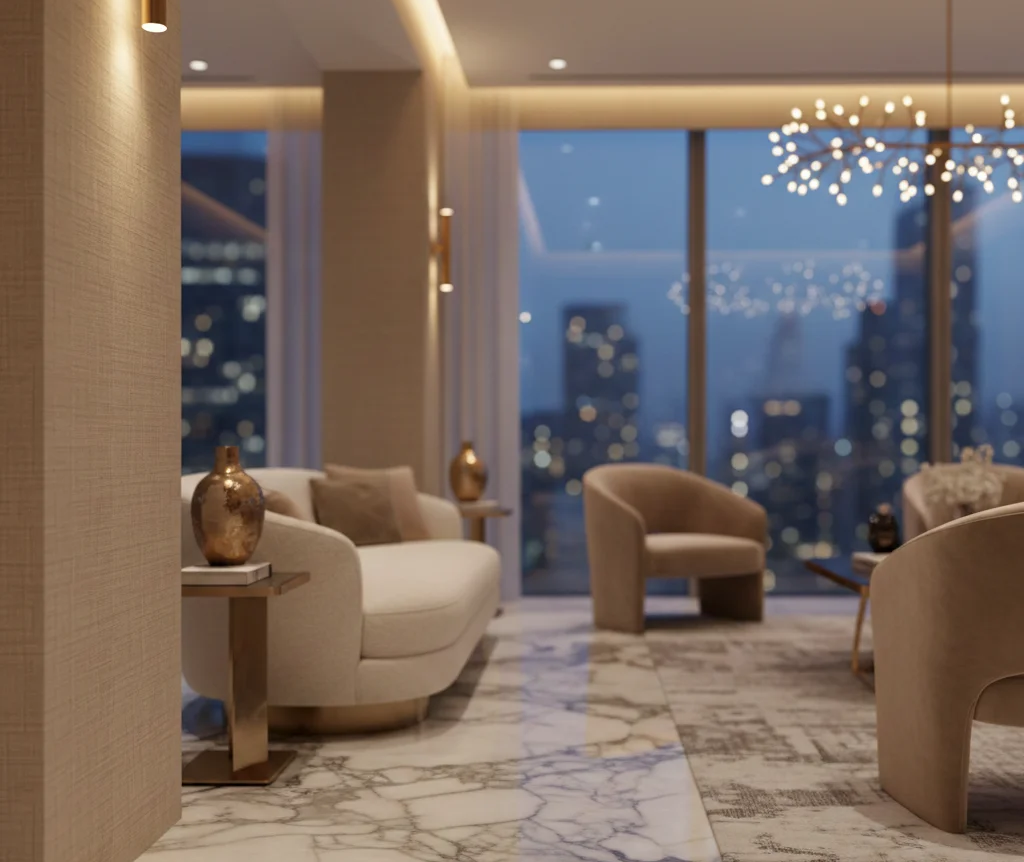
Branded residences combine real estate with global brand DNA. These projects are developed in collaboration with internationally recognised brands that contribute far more than just their name. They bring a distinct design philosophy, lifestyle ethos, and curated living experience.
Whether it is fashion-led interiors by Elie Saab, precision-driven aesthetics by Armani/Casa, or hotel-style services by Four Seasons and Ritz-Carlton, branded homes offer refinement that traditional luxury housing often struggles to replicate.
More importantly, they deliver credibility and consistency. Buyers associate global brands with quality assurance, attention to detail, and long-term value preservation.
Status, Identity, and the Psychology of Ownership
For India’s ultra-rich, branded homes have also become powerful tools of social signalling. Much like luxury cars, watches, or private memberships, these residences quietly communicate success.
Owning a branded residence today is less about resale and more about affirmation. It signals arrival. This mindset is especially visible among first-generation entrepreneurs, startup founders, and business families moving from Tier-2 to Tier-1 cities.
In many ways, designer-branded homes have evolved into extensions of personal identity, blending lifestyle choices with legacy aspirations.
North India vs Mumbai: Two Distinct Luxury Narratives
Buyer preferences differ sharply across regions.
In North India, particularly Gurugram and Noida, demand is driven by design-led branding and status value. Projects like Elie Saab Residences and Jacob & Co developments resonate strongly, where luxury homes are viewed as markers of social standing.
“North India shows a stronger inclination towards branded real estate, where luxury housing is often linked to status and global recognition,” says Ritesh Mehta, Senior Director, JLL India. Larger land parcels also allow for expansive layouts and Dubai-style amenities, typically catering to buyers in the ₹5 crore to ₹15 crore range.
In contrast, Mumbai buyers gravitate towards hotel-branded residences, valuing concierge services, professional property management, and seamless operations. Developments such as Four Seasons Private Residences and Armani/Casa at Lodha World Towers reflect this preference.
Noida’s Quiet Rise as a Branded Luxury Hub
While Gurugram has long dominated North India’s luxury real estate landscape, Noida is fast emerging as the next branded-residence hotspot. With relatively lower per-square-foot prices and improving infrastructure, the city is attracting affluent buyers from Tier-2 centres such as Moradabad and Meerut.
Many business families are acquiring branded homes in Noida for their children, drawn by the promise of international design, gated security, and lifestyle credibility.
What Exactly Are Branded Residences?
Branded residences are high-end homes developed in partnership with global brands, either hospitality-led or design-led.
Hospitality brands include Four Seasons, Ritz-Carlton, St. Regis, Mandarin Oriental, and Accor brands such as Fairmont and Banyan Tree.
Design and lifestyle brands include Elie Saab, Armani, Porsche Design, Aston Martin, and Missoni.
Each brand brings a distinct design language, from façade aesthetics to interior detailing, ensuring a cohesive luxury narrative throughout the project.
Market Size, Premiums, and Buyer Profile
India’s branded residence market, though still nascent, is expanding rapidly. According to Knight Frank’s The Residence Report 2025, India ranks sixth globally in completed branded residence projects and tenth in the global pipeline, accounting for 4% of worldwide supply.
These homes typically command an 8–10% premium over standard luxury housing. Prices usually start at ₹15 crore and above, catering largely to end-users seeking exclusivity rather than speculative returns.
Buyers include ultra-high-net-worth individuals, celebrities, sportspersons, CXO-level professionals, NRIs, and successful entrepreneurs upgrading their lifestyle.
Expert Advice
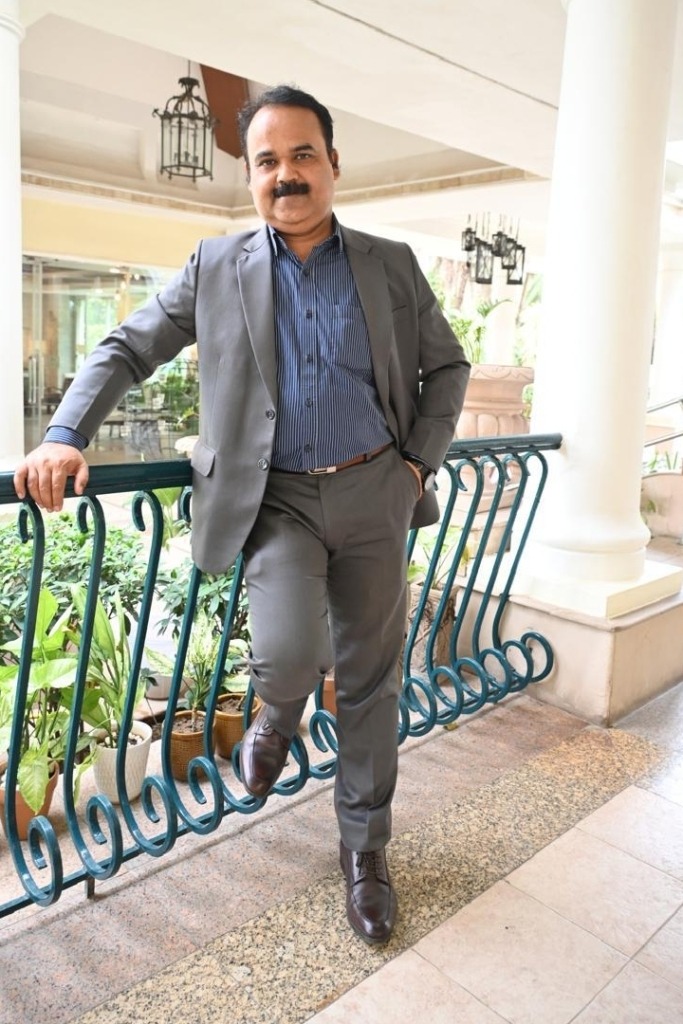
Commenting on this growing trend, Sanjeev Singh, Managing Director, SKJ Landbase, said
that India’s luxury housing market is witnessing a fundamental shift. “Today’s ultra-rich buyers are not just purchasing square footage; they are investing in global lifestyles and assured standards. offer credibility, design consistency, and aspirational value that traditional luxury housing often lacks. For many entrepreneurs and CXO-level professionals, owning a globally branded home reflects personal success and an international outlook. This segment is poised for sustained growth as India’s wealth base deepens and buyer expectations continue to mature.”
The Bottom Line
Branded residences represent a decisive new chapter in India’s luxury real estate story. They seamlessly blend global design, operational excellence, and aspirational living into a single offering.
For India’s ultra-rich, these homes are not just places to live. They are statements of success, confidence, and global alignment. And as wealth continues to rise, branded living is no longer a niche it is fast becoming the gold standard of ultra-luxury housing in India.