Startup Founders Turn to Luxury Real Estate: High-Value Deals Surge in Delhi, Mumbai & Gurugram
India’s startup ecosystem has grown exponentially over the last decade, producing a new wave of wealthy entrepreneurs. Once fully focused on reinvesting every rupee into their ventures, many startup founders are now channeling their wealth into luxury real estate. Cities like Delhi, Mumbai, and Gurugram are witnessing a surge in high-value property deals. This trend reflects a shift from purely business investments to long-term wealth preservation and strategic diversification.
Why Luxury Real Estate Appeals to Startup Founders
Running a startup is inherently risky. Market volatility, funding uncertainty, and operational challenges create constant pressure. For many founders, real estate serves as a stability anchor.
Additionally, luxury real estate allows entrepreneurs to convert intangible startup wealth into tangible assets. As companies mature or reach exit stages, high-value properties become a logical step in financial planning, generational wealth creation, and risk management.
Notable High-Value Transactions
Several startup leaders have already made waves in the luxury property market with eye-catching deals. These transactions highlight both the demand and the rapid appreciation of ultra-prime real estate.
- Akhil Wable Buys Prime Land in Delhi’s Vasant Vihar
Akhil Wable, co-founder of DataforIndia, purchased a 1,280 sq yard plot in Delhi’s upscale Vasant Vihar for roughly ₹113 crore in June 2025. This high-value transaction underscores growing interest from young entrepreneurs in South Delhi.
Traditionally, Vasant Vihar attracted established families. Today, startup founders seek privacy, larger land parcels, and the freedom to design bespoke homes. Real estate consultants note this shift represents a generational change in luxury property consumption.
- Deepinder Goyal Invests in DLF Camellias, Gurugram
Zomato co-founder Deepinder Goyal registered a 10,813 sq ft ultra-luxury apartment in DLF’s Camellias, Gurugram. Originally acquired in 2022 for ₹52.3 crore, the registration in March 2025 included a stamp duty of ₹3.66 crore.
Located in DLF Phase-5, one of India’s most exclusive residential enclaves, the apartment features five dedicated parking spaces. Brokers estimate a similar unit today could command over ₹140 crore, reflecting both exclusivity and rising demand in Gurugram’s luxury segment.
- Siddhartha Sacheti Doubles Down in Mumbai’s Worli
CaratLane founder Mithun Sacheti’s brother, Siddhartha Sacheti, purchased two adjoining luxury apartments in Worli’s Three Sixty West by Oberoi Realty for ₹160 crore. Each unit spans 6,130 sq ft, totaling 12,260 sq ft, and comes with five dedicated parking spaces per apartment.
This purchase followed a substantial liquidity event in 2023, when Sacheti received ₹4,621 crore from CaratLane’s sale to Titan. Mumbai’s prime coastal belt continues to attract ultra-wealthy buyers, demonstrating the sustained appeal of ultra-luxury properties in metropolitan India.
- Vineet Kapur Chooses an Independent House in Vasant Vihar
O3+ Cosmetics founder Vineet Kapur acquired an independent house in Vasant Vihar for around ₹72 crore. Luxury market analysts highlight that such acquisitions are not isolated but part of a broader trend where digital-economy leaders convert startup wealth into tangible real estate assets.
Factors Driving the Shift
Several key factors explain why startup founders increasingly choose luxury real estate:
- Wealth Preservation – Prime properties retain value even during market fluctuations.
- Capital Appreciation – Grade A residential and commercial assets have delivered consistent growth over the past decade.
- Generational Planning – Real estate provides a reliable avenue for transferring wealth across generations.
- Lifestyle & Privacy – Ultra-luxury homes allow customization, privacy, and exclusivity for high-profile entrepreneurs.
- Strategic Diversification – Balancing volatile startup investments with stable assets reduces overall financial risk.
Expert Insight from SKJ Landbase
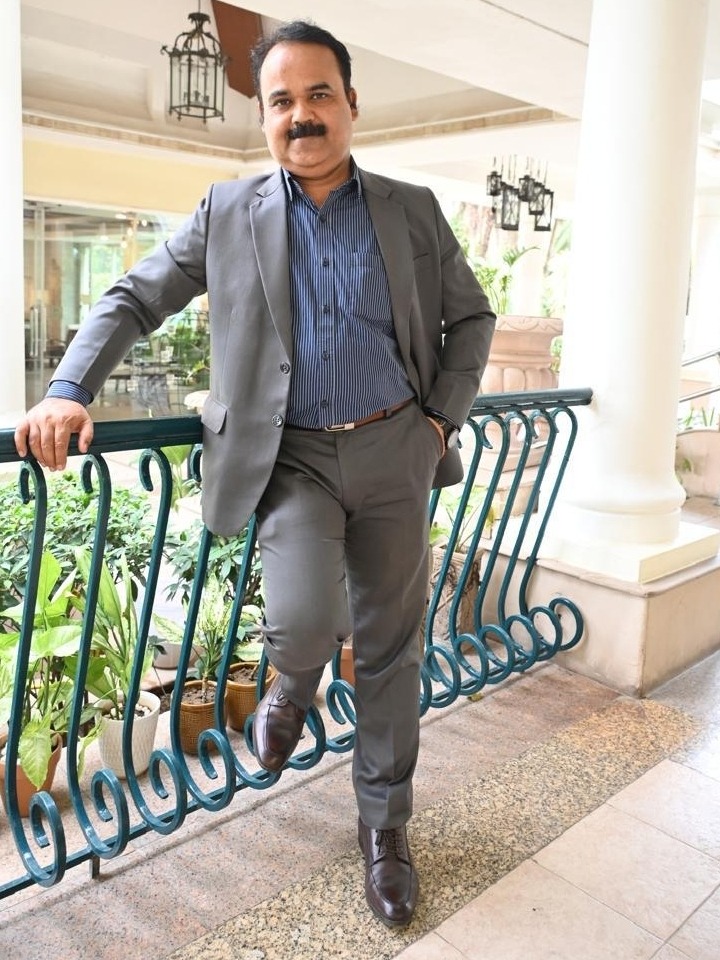
According to Sanjeev Singh, MD, SKJ Landbase, “We are witnessing a clear shift where startup founders view luxury real estate not just as a status symbol, but as a strategic investment. Cities like Delhi, Mumbai, and Gurugram have become hotspots for high-value transactions. Founders are increasingly treating prime residential and commercial properties as tools for wealth preservation, diversification, and long-term value creation. This trend reflects the maturing Indian startup ecosystem and signals a new era in ultra-luxury property demand
The Road Ahead
As India’s startup ecosystem expands, this trend will only accelerate. More founders will seek prime residential and commercial properties for wealth management and asset diversification. Cities with strong infrastructure, connectivity, and luxury developments will continue to attract tech entrepreneurs and high-net-worth individuals.
Luxury real estate is no longer just about opulence. For India’s startup leaders, it represents stability, strategic diversification, and long-term value creation.
Conclusion
Startup founders are reshaping the ultra-luxury real estate market. From Delhi’s Vasant Vihar to Mumbai’s Worli and Gurugram’s DLF Phase-5, high-value acquisitions demonstrate a sophisticated approach to wealth management. These purchases combine entrepreneurial success with tangible assets, emphasizing both lifestyle and investment strategy.
As more Indian startups mature, the synergy between technology, entrepreneurship, and prime real estate will continue to transform the luxury property landscape, setting new benchmarks for premium housing demand.