Gurugram’s Development Projects: Growth Meets Sustainability
Gurugram is rapidly transforming into a modern urban hub. Roads, electricity, drainage, and green belts are reshaping the city’s landscape. Yet, growth does not have to come at the expense of the environment. Haryana Industries and Commerce Minister Rao Narbir Singh recently emphasized the importance of completing projects on time while prioritizing environmental protection.
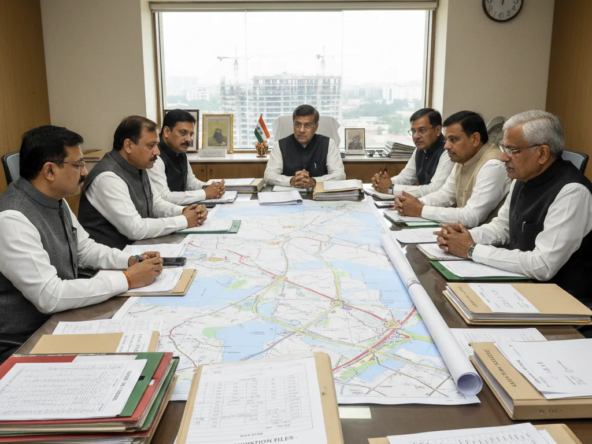
During a high-level review meeting at the PWD Rest House, Singh instructed government departments to coordinate effectively. The goal is simple: ensure civic facilities reach residents without disruption. From road repairs to drainage connectivity, he reviewed all ongoing projects. Officials noted that the minister highlighted the need to avoid tree felling wherever possible during development works.
Road Upgrades Without Hindering Green Spaces
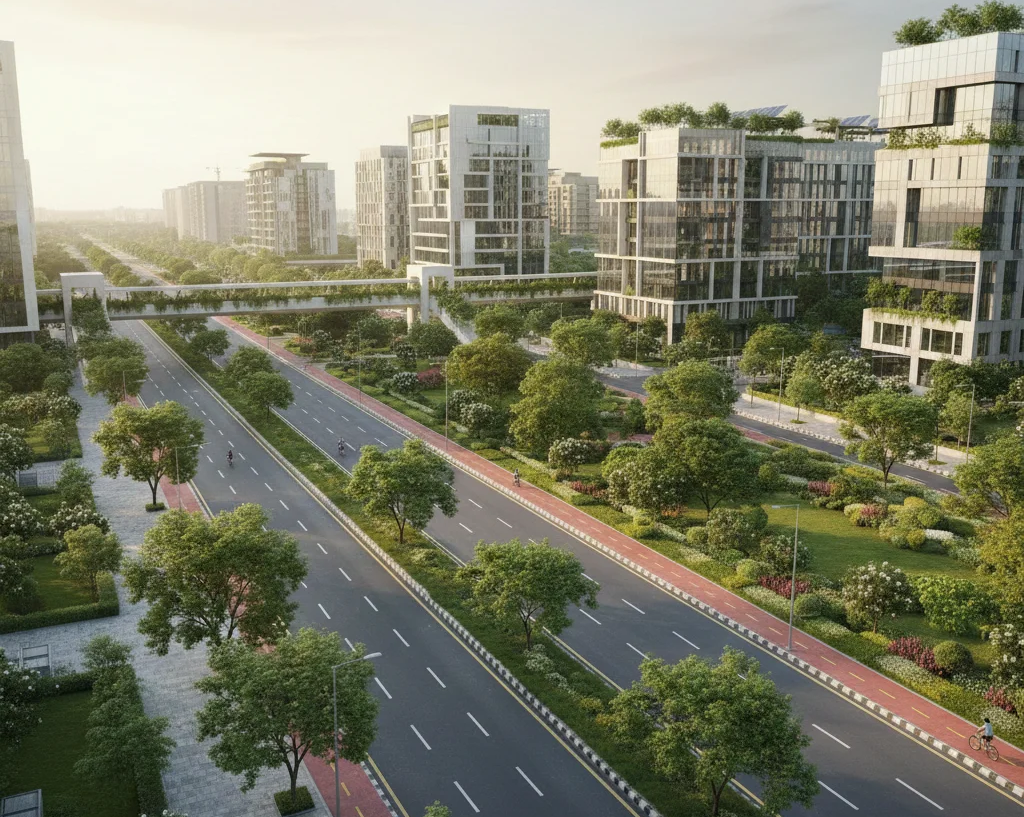
Gurugram’s road network is under constant upgrade. Key sectors like 58/61, 59/61, 28/43, and MG Road have ongoing repairs. However, challenges persist. Electricity poles located in the middle of footpaths and cycle tracks slow construction work.
Singh directed the electricity department to relocate these poles by the end of February. This step will improve road safety, enhance pedestrian movement, and streamline traffic flow. Moreover, he emphasized completing footpaths and drainage works before any new road construction begins. This ensures that road projects progress smoothly without creating unnecessary inconvenience for residents.
Proactive Drainage Planning
Waterlogging remains a significant concern during Gurugram’s monsoon season. Singh instructed NHAI officials to ensure surface drains along national highways remain clean and fully functional. He also emphasized completing new drainage connectivity projects on schedule.
A key project discussed was the culvert construction near Narsinghpur, which GMDA officials were asked to initiate immediately. The target is to finish all drainage works by May next year, well before the monsoon. This proactive approach aims to prevent waterlogging and maintain uninterrupted city life.
Green Belts and Slip Roads: Prioritizing Nature
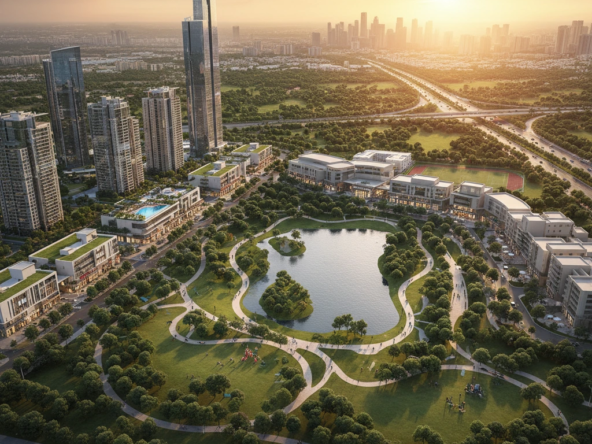
Singh’s development approach extends beyond basic infrastructure. He stressed the importance of green belts in every sector. Green belts improve air quality, reduce urban heat, and enhance the city’s aesthetic appeal.
Slip roads, Singh noted, should be constructed at least 50 meters before traffic signals. To ensure long-term quality, he proposed increasing the defect liability period for road projects to five years. This move will hold contractors accountable and promote durable, high-quality construction practices.
Resident Participation and Accountability
Singh also emphasized involving residents in the development process. He instructed that payments to contractors should only be released after consent from RWA representatives. This ensures transparency and accountability, giving residents a voice in shaping their neighborhoods.
Coordination among departments is equally crucial. Officials from GMDA, MCG, HSVP, and Manesar Municipal Corporation attended the meeting. Together, they aim to finish projects on time while protecting the environment.
Expert Advice: Building Sustainable Urban Growth
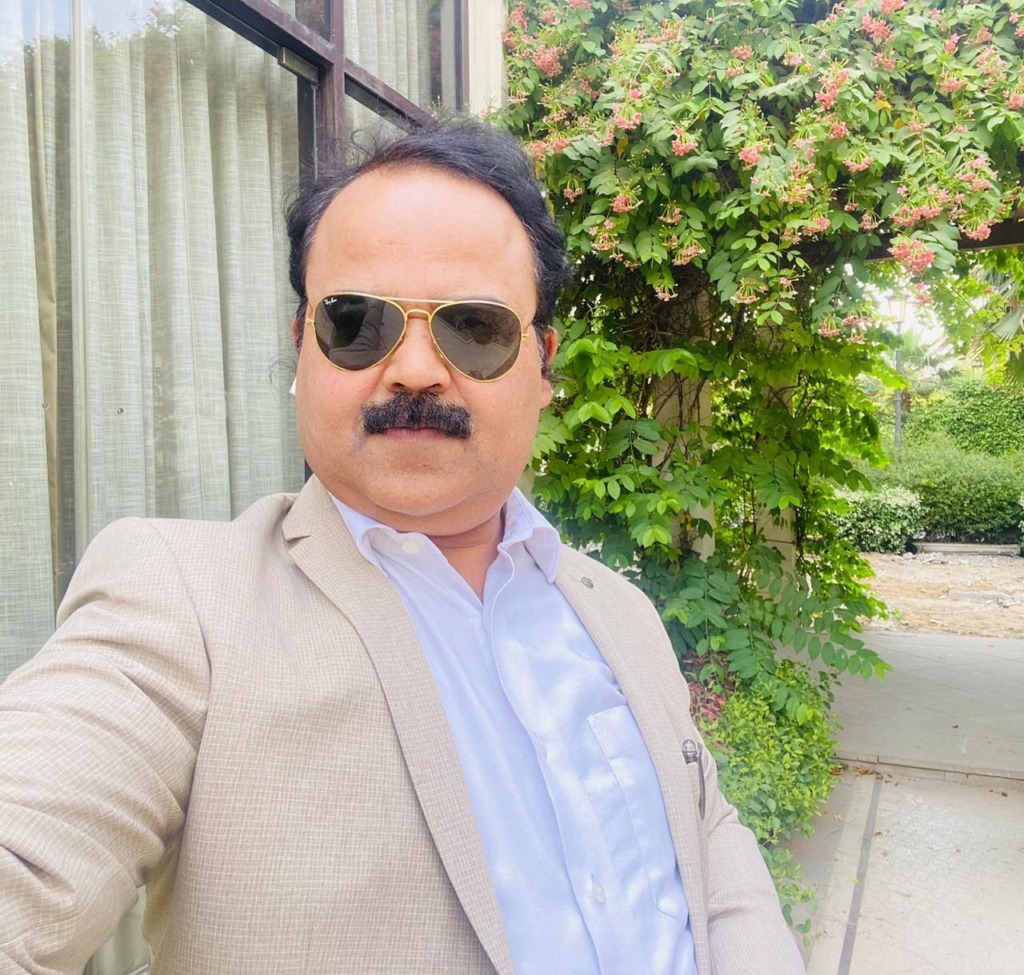
Urban development must be holistic and sustainable,” says Sanjeev Singh, MD, SKJ Landbase. “Roads, utilities, green spaces, and resident amenities should grow together. This approach not only enhances quality of life but also increases long-term property value.”
He emphasizes planning before execution. He suggests that developers and civic authorities should map out all civic services, drainage, and green areas before starting road or housing projects. According to him, integrating eco-friendly infrastructure and green belts early reduces future costs and enhances urban livability.
He also highlights resident involvement as a key factor. “When residents have a say in their neighborhoods, accountability improves, and projects are more likely to meet community needs,” Singh explains.
Balancing Growth with Sustainability
Gurugram’s development model under Minister Rao Narbir Singh demonstrates a shift toward smart, sustainable urbanization. The city is moving beyond mere infrastructure expansion. It is now about coordinated planning that combines roads, drainage, electricity, and greenery.
This approach benefits both residents and investors. Well-planned projects maintain their value over time and provide safer, healthier living environments. By focusing on coordination, green belt preservation, and resident participation, Gurugram is setting an example for other growing cities.
Conclusion
Gurugram’s future lies in sustainable growth with citizen-centric planning. Minister Rao Narbir Singh’s directives ensure infrastructure projects are completed on time without harming the environment. Roads, drains, electricity, and green belts are being upgraded in a way that benefits all residents.
Strict quality measures, longer defect liability periods, and active resident participation ensure that projects are durable, transparent, and efficient. Gurugram is proving that urban development and environmental responsibility can coexist. Cities can grow, residents can thrive, and nature can be preserved all at the same time.