JLN Stadium Redevelopment: Boosting Delhi’s Ultra-Premium Real Estate Appeal
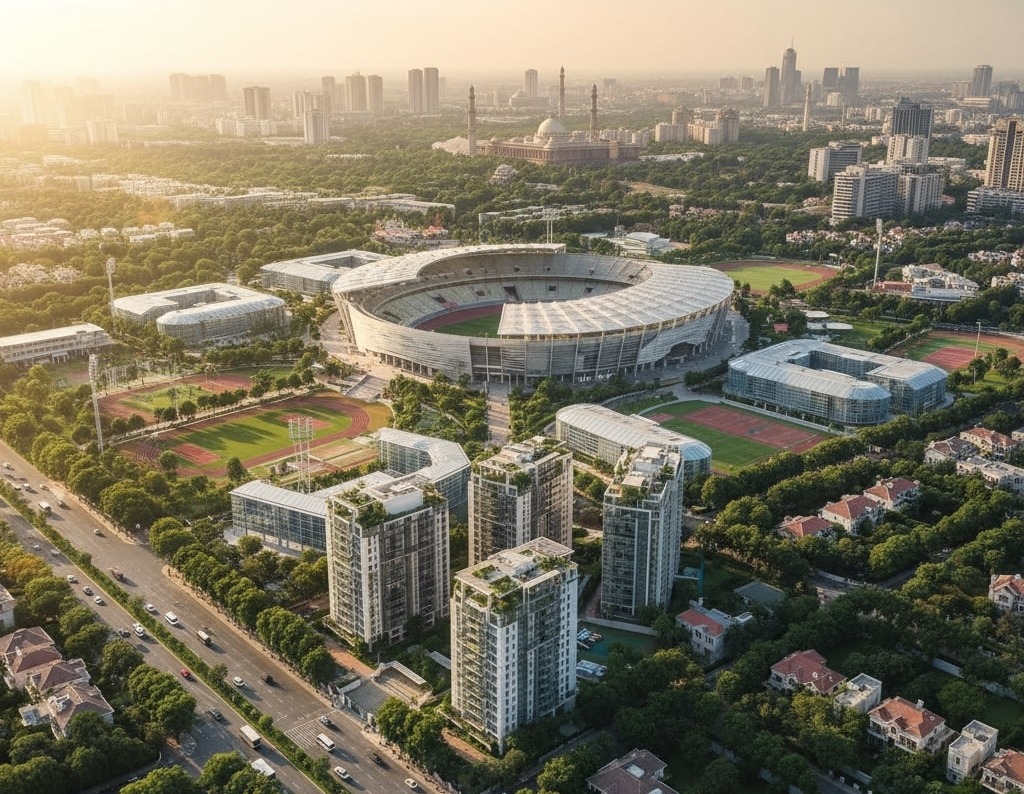
Delhi’s skyline is set for another stunning transformation as the iconic Jawaharlal Nehru Stadium (JLN) gears up for a grand redevelopment into a futuristic sports city. Spread across 102 acres in the heart of the capital, this ambitious project aims to blend world-class athletic arenas with lifestyle, wellness, and entertainment spaces much like Qatar’s Aspire Zone. But beyond the buzz of world-class sports infrastructure, the redevelopment is also sending ripples through Delhi’s ultra-premium real estate corridors, from Golf Links to Jor Bagh and Defence Colony.
A New Chapter for Delhi’s Iconic Landmark
The Jawaharlal Nehru (JLN) Stadium originally built for the 1982 Asian Games and later revamp for the 2010 Commonwealth Games is now pois for another massive transformation. The government plans to redevelop the 102-acre site into a world-class sports city, inspired by global benchmarks like Qatar’s Aspire Zone and Australia’s Docklands Stadium.
The project aims to blend high-performance sports infrastructure with residential, wellness, and entertainment zones marking a bold step in India’s sporting and urban development vision.
From Stadium to Sports City
According to early reports, the new complex will be a multi-purpose sporting hub with advanced training centers, sports clubs, event venues, and even limited residential facilities.
Interestingly, only 28% of the land is currently used for infrastructure. The new design plans to maximize this space, enabling multiple sports disciplines to coexist within one integrated campus.
Sports Minister Mansukh Mandaviya, who recently visited Qatar’s Sports City, emphasized that this transformation is part of India’s broader vision to strengthen its case for hosting the 2036 Olympics and 2030 Commonwealth Games.
Where Prestige Meets Performance
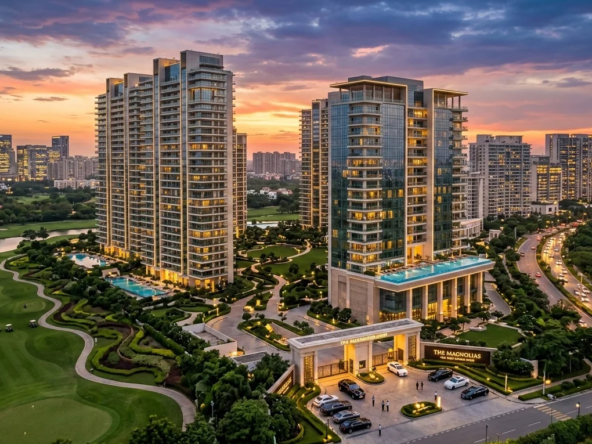
The JLN Stadium sits at the heart of some of Delhi’s most elite neighborhoods Golf Links, Jor Bagh, Defence Colony, Lodhi Road, Khan Market, and Sundar Nagar.
In these areas, ultra-luxury bungalows often sell for over ₹100 crore, while modern redeveloped apartments in Jor Bagh and Defence Colony command between ₹13 crore and ₹25 crore. Rentals here already range from ₹4 lakh to ₹5 lakh per month and are expect to rise by 15–20% once the new facilities open.
Expert Insight: No Major Price Spikes, But Strong Reinforcement
Industry leaders believe the JLN redevelopment will reinforce Delhi’s ultra-premium property market, rather than trigger sudden price hikes.
Anshuman Magazine, Chairman and CEO of CBRE India, SEA & MEA, explained that such projects strengthen existing premium zones rather than disrupt them. “These areas already enjoy very high valuations. The new sports infrastructure will simply reaffirm their status as top-tier luxury destinations,”
Gen-Z Luxury Buyers May Drive the Next Phase
A fascinating trend is emerging. A new generation of affluent Gen-Z buyers is showing keen interest in redeveloped apartments near the stadium particularly in Jor Bagh, Defence Colony, and Jangpura.
They’re not just buying homes for status anymore; they’re investing in wellness-oriented lifestyles. Access to a world-class sports facility nearby fits perfectly with this shift.
As Delhi’s urban living evolves, this blend of fitness, recreation, and luxury may become the new benchmark for high-end buyers.
Sports and Wellness as Lifestyle Catalysts
Real estate expert Rohit Chopra from SouthDelhiPrime.com noted that Delhi has long lacked truly world-class sports and recreational spaces. “The new generation of homeowners wants quality wellness infrastructure something that’s been missing in the capital,” he said.
Drawing parallels, he cited how areas like Geetanjali and Navjeevan Vihar near Saket saw major appreciation due to proximity to lifestyle hotspots like Select Citywalk Mall and Qutub Golf Course. “A 2,000 sq. ft. apartment there that was worth ₹6.5 crore three years ago now sells for approx ₹10 crore,” he added.
Similarly, areas close to JLN including Jor Bagh, Jangpura, and Defence Colony could see rental demand from global tenants rise sharply.
Lessons from Other Sports-Centric Developments
The success of sports-integrated urban projects in Delhi and NCR adds context to this vision.
For instance, the Omaxe State project in Dwarka, developed under a PPP model with DDA, is a ₹2,500 crore commercial and sports complex spread across 50.4 acres. It includes an international-standard cricket and football stadium, retail spaces, and a hotel showcasing how sports infrastructure can anchor large-scale urban growth.
However, earlier “Sports City” projects in Noida (Sectors 78, 79, 150, and 152) struggled to deliver on their full promise, with residential development outpacing the actual sports facilities. The JLN project, backed directly by the central government, is expect to avoid such pitfalls through tighter planning and stronger oversight.
Industry Expert View — Sanjeev Singh, MD, SKJ Landbase
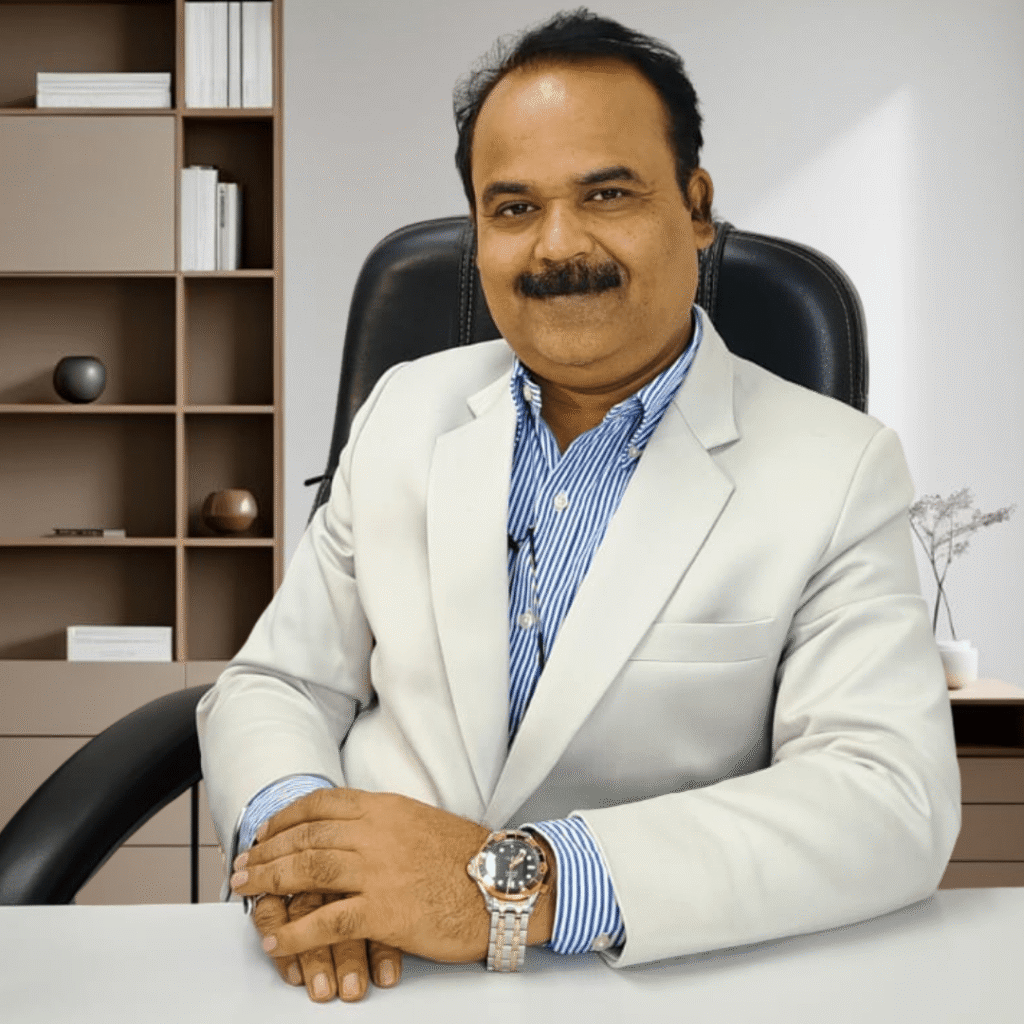
Commenting on the development, Sanjeev Singh, Managing Director of SKJ Landbase, said:
“The JLN Stadium redevelopment is less about speculative gains and more about long-term urban transformation. Delhi’s ultra-premium zones don’t need a price push they need lifestyle reinforcement. When you add a facility that combines sports, wellness, and global-class entertainment, you’re not just upgrading infrastructure you’re future-proofing the value of these neighborhoods.”
He added that the project could also inspire similar sports-integrated residential concepts in Gurugram and South Delhi, where luxury living is increasingly blending with holistic wellness.
Infrastructure and Connectivity Still Key Drivers
Despite the buzz, experts agree that only new connectivity upgrades such as smoother traffic management, parking infrastructure, or metro link enhancements will truly influence long-term capital appreciation.
Luxury zones like Golf Links and Lodhi Estate already command unmatched prestige. What the new sports city will do is amplify their liveability quotient, making them even more appealing to diplomats, expats, and global professionals.
Sustaining Value Through Smart Utilization
Another important aspect of this redevelopment is its financial sustainability. Portions of the new sports infrastructure could be leveraged for income generation by hosting private events, which offers sports memberships, or allowing limited commercial activity.
This model would ensure world-class upkeep of the complex while also creating recurring revenue streams for the city.
The Bigger Picture
Ultimately, the JLN Stadium’s transformation is more than just a construction story. It represents a symbolic and practical evolution where infrastructure meets aspiration.
It will not only enhance Delhi’s global image but also create ripple effects in how luxury real estate aligns with lifestyle and wellness. For ultra-premium buyers, it’s a reassurance that central Delhi will continue to offer the best of both worlds heritage and high performance.
Final Takeaway
The JLN Stadium redevelopment won’t send property prices soaring overnight but it will redefine what urban luxury means in Delhi. Elite buyers are driving demand for wellness-driven lifestyles, and with rentals climbing steadily, this ambitious project is shaping the city’s next phase of evolution.